
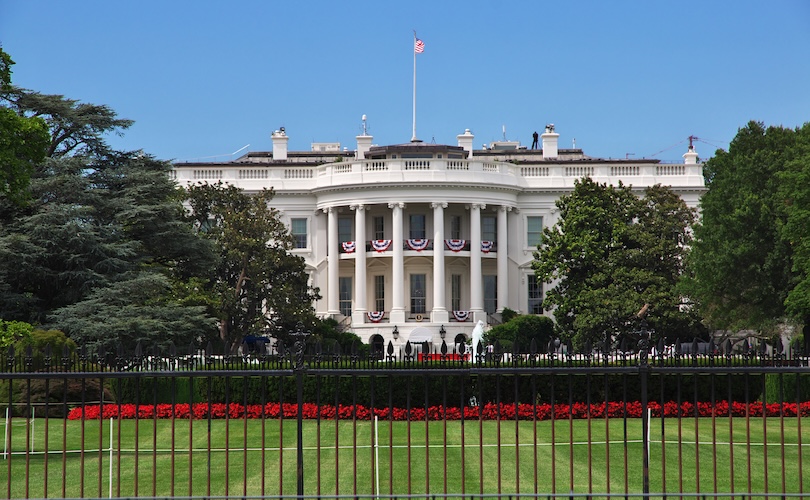
A gunman opened fire near the White House and was shot dead by the U.S. Secret Service, authorities say. The incident unfolded quickly, with law enforcement converging on the scene and the Secret Service confirming President Trump was in the White House and ‘not impacted,’ according to the Secret Service. This event raises sharp questions about perimeter security, response protocols, and how we talk about public safety in a tense political climate.
What happened outside the executive mansion was alarming but decisive. A single shooter opened fire near the White House perimeter, and Secret Service agents engaged and neutralized the threat on the spot. Witnesses reported chaotic moments, but the security detail moved fast and ended the danger before it could escalate further.
The official line is succinct and clear: President Trump was in the White House at the time but was ‘not impacted,’ according to the Secret Service. That matter-of-fact phrasing tells you everything about how seriously the Secret Service treats these incidents. No president was hurt, and that should be the baseline expectation whenever we entrust people with national security roles.
From a Republican perspective, this is a moment to give credit where it’s due and to demand accountability where needed. Our agents performed their duty under pressure, and that competence deserves recognition. At the same time, leaders should answer tough questions about how a gunman got close enough to open fire and what gaps remain in protecting critical national assets.
Politicizing the incident would be a mistake; the priority has to be clear: secure the perimeter and learn the lessons. That means reviewing camera coverage, patrol patterns, vehicle checks, and coordination with D.C. law enforcement. Real security improvements are technical, boring, and necessary—not a press cycle soundbite.
The public wants straightforward answers, not spin. Families in Washington and across the country expect the federal government to keep its institutions safe, and to be honest about risks and fixes. When agents on duty act quickly and effectively, Americans should hear that and trust the system—while leaders also show the humility to tighten any weak links.
There will be plenty of speculation and chatter, especially online, but facts matter. The Secret Service’s quick neutralization of the suspect is a concrete fact. Any follow-up should focus on evidence, the timeline of the response, and recommendations for training and equipment—then get to work implementing them.
We should also be cautious about how we frame these episodes politically. Safety and order are not partisan trade-offs; they are the foundation of everything else. Republicans will rightly insist on strong protection for elected officials and public spaces, and that insistence should drive clear, actionable policy changes rather than theatrical gestures.
Finally, the American people deserve calm competence from their security services and honest oversight from their leaders. Praise for the agents who acted must be paired with a rigorous after-action review to prevent repeats. If that means more resources, better tech, or sharper coordination, then those are the steps we ought to take immediately.
