
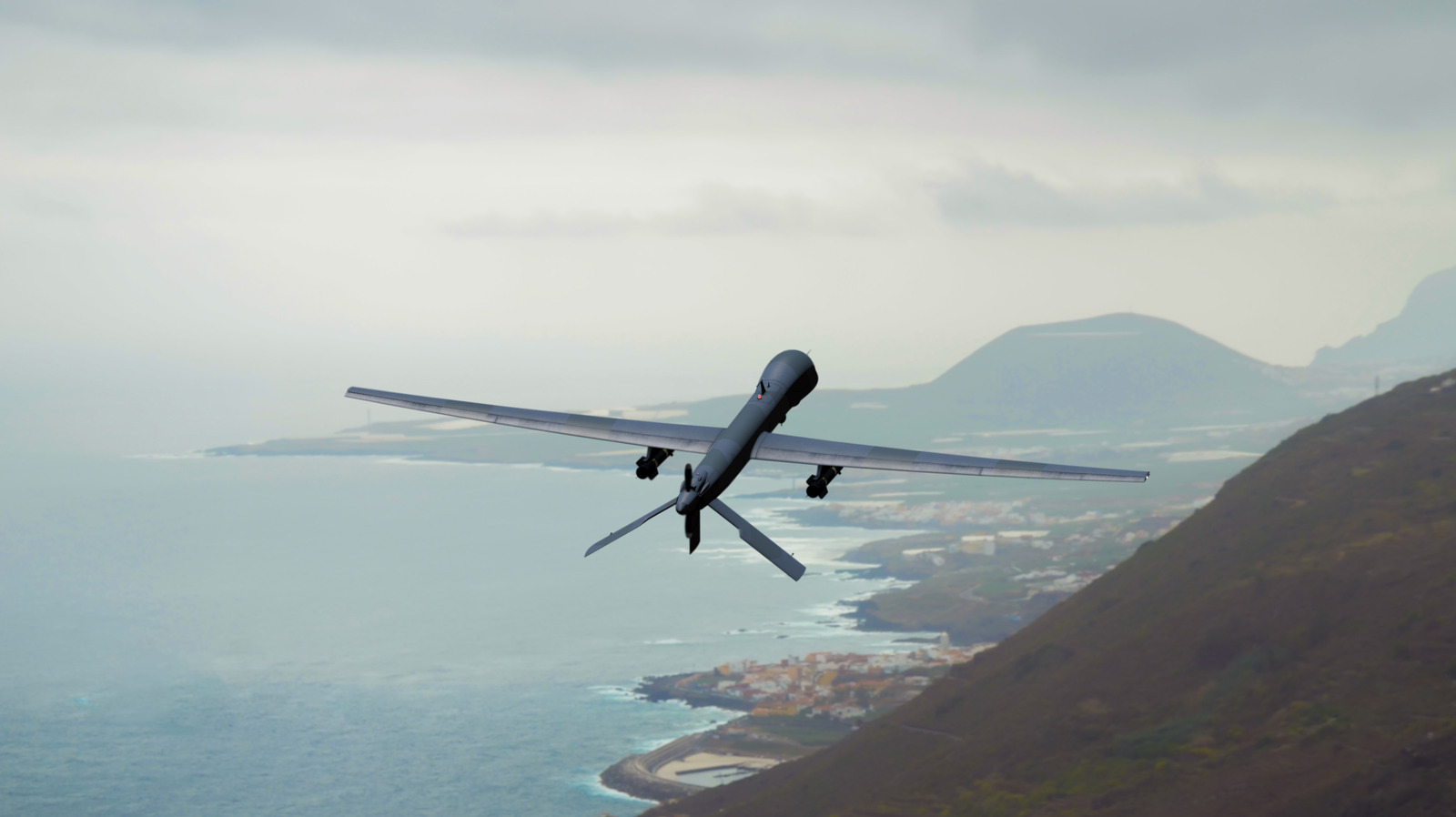
Picket Defense Systems has rolled out a fresh countermeasure aimed at disrupting coordinated drone swarm attacks, centered on a new targeting architecture that blends sensors, machine learning, and layered engagement options. This piece explains how the system works, where it might be deployed, the tactical advantages it claims to offer, and the practical hurdles operators will likely face. Expect a clear look at capability, constraints, and what this tech could mean for protecting high-value sites from fast, coordinated unmanned threats.
Picket Defense Systems introduced a new solution to combat coordinated drone swarm attacks, and it’s equipped with an innovative targeting architecture. That simple sentence hides a lot of engineering choices: distributed sensing, classification, and a decision stack that decides when and how to act against dozens or hundreds of small aerial platforms. The architecture aims to go beyond single-point defenses and instead coordinate responses across multiple layers.
At the sensor level, the system pulls data from acoustic, radio-frequency, and electro-optical sources to build a composite picture of the airspace. Fusing these inputs reduces false alarms and helps distinguish between harmless hobby drones and hostile swarms executing complex maneuvers. This fusion also speeds up target handoff between detection and engagement layers, which is vital against fast-moving, coordinated threats.
The targeting architecture reportedly uses machine learning models trained to recognize swarm behaviors and prioritize threats by intent and capability rather than sheer numbers. That lets the system focus resources on the most dangerous elements while conserving countermeasures for follow-on waves. The intelligence is not an all-or-nothing black box; it acts as a decision aid for operators handling contested or sensitive environments.
Engagement options are kept deliberately varied to match rules of engagement and operational needs: soft-kill techniques like jamming, spoofing, and directed-energy options sit alongside kinetic interceptors. Layering responses lowers collateral risk and gives commanders alternatives when operating near civilians or critical infrastructure. In practice, choosing between disruption and destruction will depend on mission priorities and legal constraints.
Deployment scenarios the company highlights include critical infrastructure sites, event security, and forward force protection. Each environment presents unique challenges: urban settings complicate signal propagation, while remote sites demand autonomous operation with limited connectivity. The architecture’s modular nature reportedly allows it to be tuned for those constraints, swapping sensors and countermeasures to fit the mission.
On the operational side, integration with existing air defense nets and command systems is crucial but often messy. True interoperability requires standardized data formats and disciplined procedures for handoff between civilian air traffic managers and military defenders. The system’s promise depends as much on process and training as it does on raw sensor capability.
Cost and logistics are practical hurdles. Multi-sensor arrays, high-power directed-energy systems, and robust processing hardware are not cheap, and maintaining them in austere locations creates sustainment burdens. Still, proponents argue that the alternative—leaving large facilities vulnerable to low-cost swarm attacks—carries higher long-term risk and potential economic fallout.
Ethical and legal questions also surface with automated targeting and disruption tools. Even when designed to minimize collateral harm, electronic interference and kinetic responses can affect bystanders or commercial systems. Clear rules of engagement, oversight, and transparent testing will be essential for responsible deployment in civilian-adjacent environments.
From a technology standpoint, the real test will be how the system performs against adaptive adversaries that change tactics, frequencies, and swarm architectures. Continuous updates, adversary emulation during testing, and open channels for field feedback will determine whether the targeting architecture stays ahead of evolving threats. If it can, layered defenses like this could become a standard element in protecting critical assets against inexpensive, massed unmanned attacks.
Adoption will hinge on proven performance, cost-effectiveness, and how smoothly the system integrates into the existing defense ecosystem. For operators and planners, the key questions are simple: can it reliably detect coordinated swarms, can it pick appropriate responses without unnecessary risk, and can it be sustained where it matters most? Answers to those questions will guide whether this new architecture moves from promising demo to deployed reality.
