
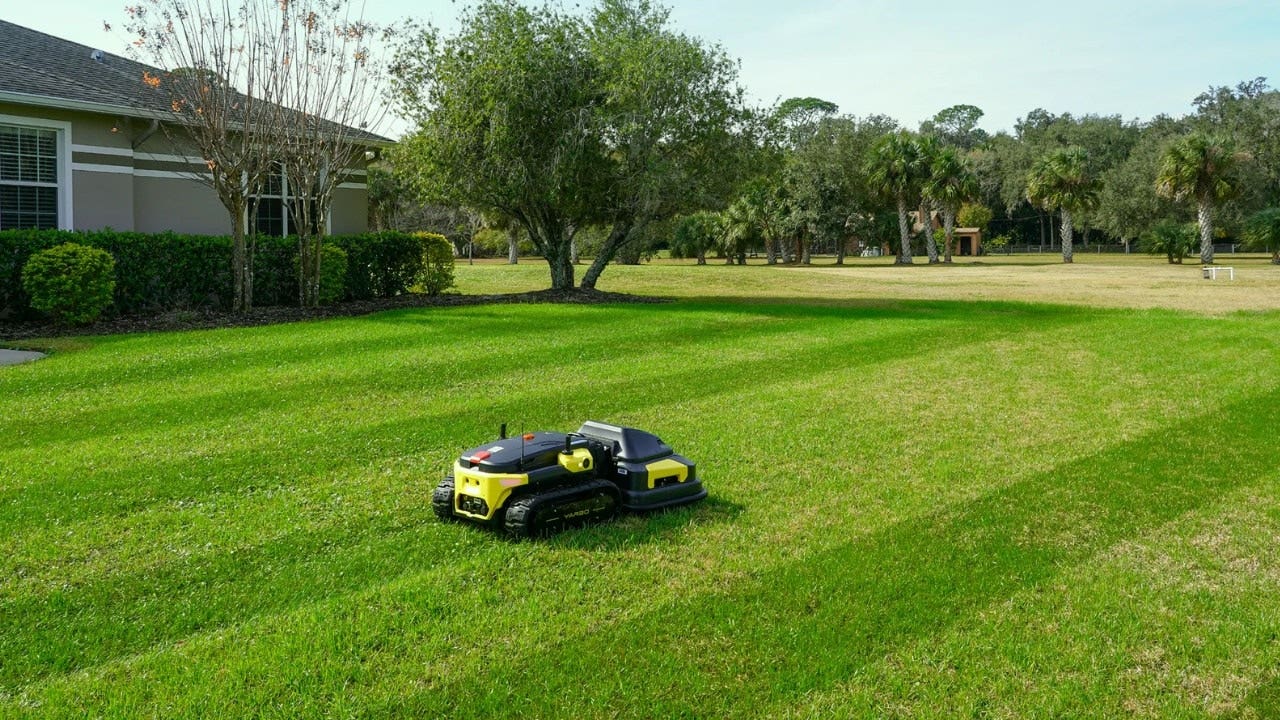
This article explains a new independent security report about Yarbo robotic yard machines, the specific vulnerabilities found, Yarbo’s response, the risks those flaws create for home networks and cameras, and practical steps owners can take to reduce exposure without relying on promotions or external links.
Robot mowers and snow blowers promise convenience, but a security researcher says some models carry deep access risks. The researcher found that remote diagnostic systems and fleet credentials left open strong avenues for intrusion. Those weaknesses turn a helpful yard tool into an unexpected networked device with privileges it should not have.
The report claims Yarbo devices ship with a persistent remote-access tunnel that can reconnect itself automatically, plus a fleet-wide hardcoded “root” password and a remote method tied to device serial numbers. In plain terms, that combination can give someone full administrative control if exploited. A machine parked near the garage or driveway becomes a live bridge into a home network when those controls are present.
Remote access built into every robot changes the security model for smart yard gear. Instead of being an opt-in tool for diagnostics, the tunnel appears to run by default, which means owners might not have a simple off switch in the app. If an attacker gains access through that channel, they could reach internal functions or use the robot as a stepping stone to other devices inside the house.
The report also says certain models can carry multiple camera feeds, and that a person with administrative access could view those streams remotely. A camera mounted on a lawn machine can show driveways, entryways, patios and any outdoor space where families gather. That makes exterior cameras on yard robots as sensitive as indoor cameras and worthy of the same scrutiny.
Beyond live video, the researcher claims an attacker could extract stored Wi-Fi credentials from the robot’s system after gaining root-level control. With a home network password in hand, adversaries can try to reach phones, laptops, smart TVs and security systems. That risk is why outdoor equipment with network access should not be treated as separate from the rest of the home’s connected devices.
Yarbo publicly acknowledged the problems and posted a response on its Security Center, saying the flaws stemmed from historical design choices in remote diagnostics, credential handling and legacy support tools. The company admitted its initial public reaction did not reflect the seriousness of the issues and said it is working on fixes. Yarbo co-founder Kenneth Kohlmann also said the “core technical findings are accurate”.
According to Yarbo, remediation steps already underway include retiring fleet-level root credentials, revoking shared remote-access credentials and disabling related server-side connection paths. The company says it removed static credentials from newer app versions and eliminated legacy reporting scripts and unnecessary network settings. Additional work aims to replace shared-credential models with per-device credentials that can be rotated and revoked independently.
The report flagged telemetry routes and certain firmware choices that sent some data to third-party platforms and resolvers based outside the United States, and it called attention to those built-in infrastructure decisions. Yarbo says it has removed legacy reporting scripts and is phasing out historical servers and access channels as part of cleanup work. Transparency around where device data goes remains a central concern for owners.
Practical steps for owners are straightforward and within reach. Connect the robot only long enough to accept updates, then move it to a guest or isolated smart-device network so it cannot see primary devices. If the robot has used your main Wi-Fi, change that password to a strong, unique passphrase and reconnect only trusted devices afterward.
Also check your router’s device list and remove anything unfamiliar, enable guest isolation if available, and ask the company specific questions about remaining remote diagnostic access, whether credentials are unique per device now and whether a true off switch will be provided. Those actions reduce the chance that a lawn robot ever becomes a backdoor into a home network.
Convenience should not come at the cost of control or visibility. If you own a Yarbo robot or are shopping for a smart yard product, insist on clear answers about remote access, data destinations and camera behavior before you hand over your Wi-Fi. Consumers deserve devices they can update and isolate, not black boxes on their home networks.
