
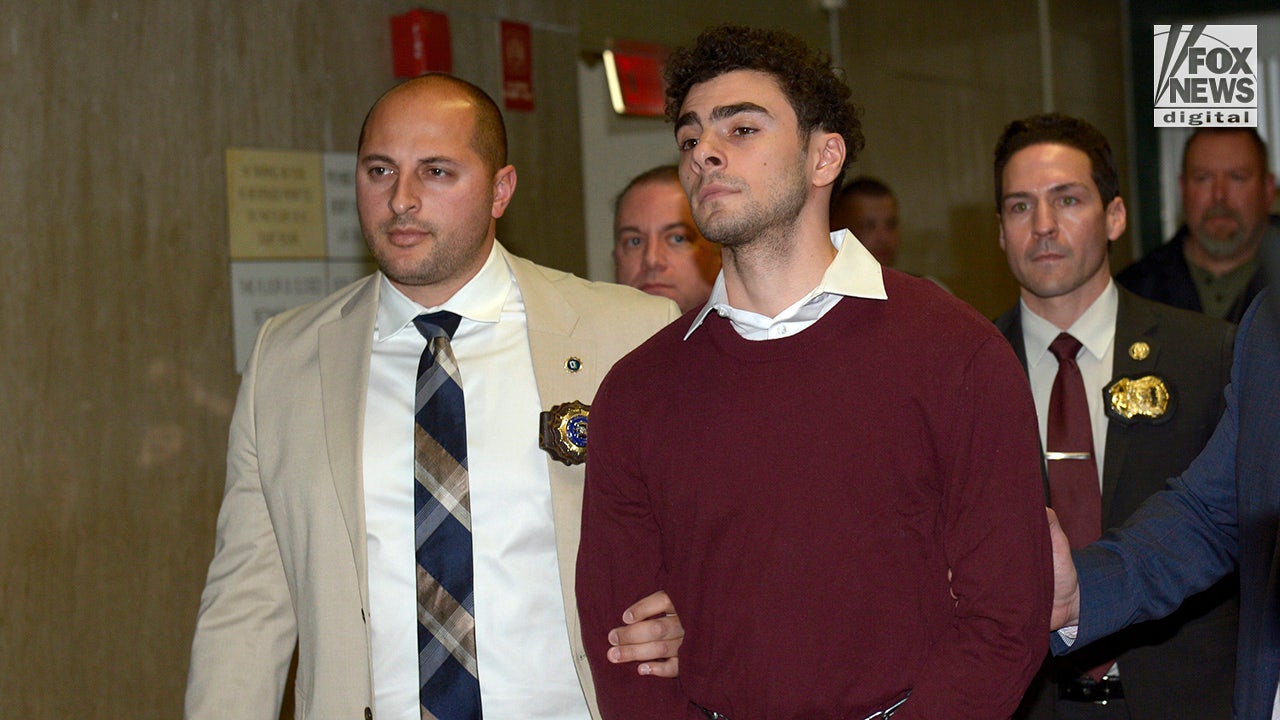
Theater in New York is staging a satirical musical about the accused killer Luigi Mangione, and the choice to turn real-world violence into entertainment has sparked a fierce cultural argument about art, accountability, and the political ideas that feed extremism. This piece looks at the show’s timing and location, the creators’ defense, the way young audiences receive this kind of storytelling, and the broader cultural forces on the left that make violence seem like a form of political expression.
The plan to premiere “Luigi: The Musical” in Manhattan this June—just miles from where Luigi Mangione allegedly shot a father of two—feels deliberately provocative. The show’s opening was scheduled right around the start of Mangione’s trial before a judge postponed proceedings, and the production presses on as if the stage can stand above the facts being litigated in court. That choice signals a willingness to prioritize buzz over the hurt left in the wake of a violent act.
UNITEDHEALTHCARE CEO MURDER: IVY LEAGUE GRAD SUSPECT SPAWNS MOVEMENT FUELED BY ANTI-CAPITALIST SENTIMENT
The creators insist “Luigi: The Musical” is a comedy and that it’s not intended to trivialize the seriousness of Mangione’s alleged crimes — or those of other figures portrayed in the show. But the content reportedly gives the Mangione character a platform to justify violence, including a scene where he calls himself a “martyr.” Those moments matter; they change the context from critique to celebration when audiences cheer and hand out standing ovations.
One reported lyric puts the fantasy plainly: “Bringing down a tiny part of our broken healthcare system brings me enough happiness to share!” Framing violence as political theater risks normalizing the idea that killing a CEO is a legitimate form of protest, and that’s a dangerous precedent. Art that flirts with glorifying violence doesn’t exist in a vacuum—it shapes how a generation interprets moral boundaries.
NEARLY 40% OF YOUNG AMERICANS SAY POLITICAL VIOLENCE CAN BE JUSTIFIED IN CERTAIN SITUATIONS
Polling shows an alarming openness among young adults to the notion that political violence can be acceptable under some circumstances. A growing slice of Gen Z appears to sympathize with the grievances Mangione has voiced about institutions, and some seem to believe violent acts express political agency rather than criminal brutality. That shift in moral imagination is partly cultural: when institutions of influence treat perpetrators as characters rather than criminals, it softens resistance to radical solutions.
This isn’t just about one play or one city. The arts world has long leaned left, and many cultural gatekeepers treat systemic critique as an artistic duty. But when critique slides into praise for violent acts, the line between protesting a broken system and endorsing murder gets dangerously blurred. The result is a cultural climate where anger is romanticized and the impulse toward violence is framed as an understandable response to injustice.
New York’s political scene reflects that cultural turn. The election of radical politicians who champion disruption has normalized a certain cynicism toward institutions, and young activists cheer on candidates whose rhetoric sometimes sanctifies extreme measures. You see the same crowd wearing “Hot Girls for Zohran” shirts that turns out for edgy theater, and a campaign aide who said he looks forward “to driving down Mangione Avenue a few decades from now.” Those kinds of offhand endorsements reveal a readiness to turn lawbreaking into folklore.
Confronting this trend means more than policing stage content; it means challenging the underlying political ideas that treat violence as an act of virtue. If we want to protect public safety and civic order, we have to push back against an industry and an ideology that normalizes radicalization. Otherwise, shows that turn alleged killers into icons will be seen as just another cultural hit instead of a warning signal we ignored.

1 Comment
By a segment of society elevating this Cold-Blooded Murderer to some sort of celebrity and hero status demonstrates clearly a large portion of humanity is doomed and surely headed to the deepest depths of hell for eternity!
“New York’s political scene reflects that cultural turn. The election of radical politicians who champion disruption has normalized a certain cynicism toward institutions, and young activists cheer on candidates whose rhetoric sometimes sanctifies extreme measures. You see the same crowd wearing “Hot Girls for Zohran” shirts that turns out for edgy theater, and a campaign aide who said he looks forward “to driving down Mangione Avenue a few decades from now.”
Revelation 21:7-8 “The one who overcomes will inherit all things, and I will be his God, and he will be My son. 8But to the cowardly and unbelieving and abominable and murderers and sexually immoral and sorcerers and idolaters and all liars, their place will be in the lake that burns with fire and sulfur. This is the second death.”
Far too many people aren’t taking their short lives seriously enough and may even have a chip on their shoulder; but when the moment of final judgment comes about what they did there will be no escaping the consequences of that Reality! Choose wisely.