
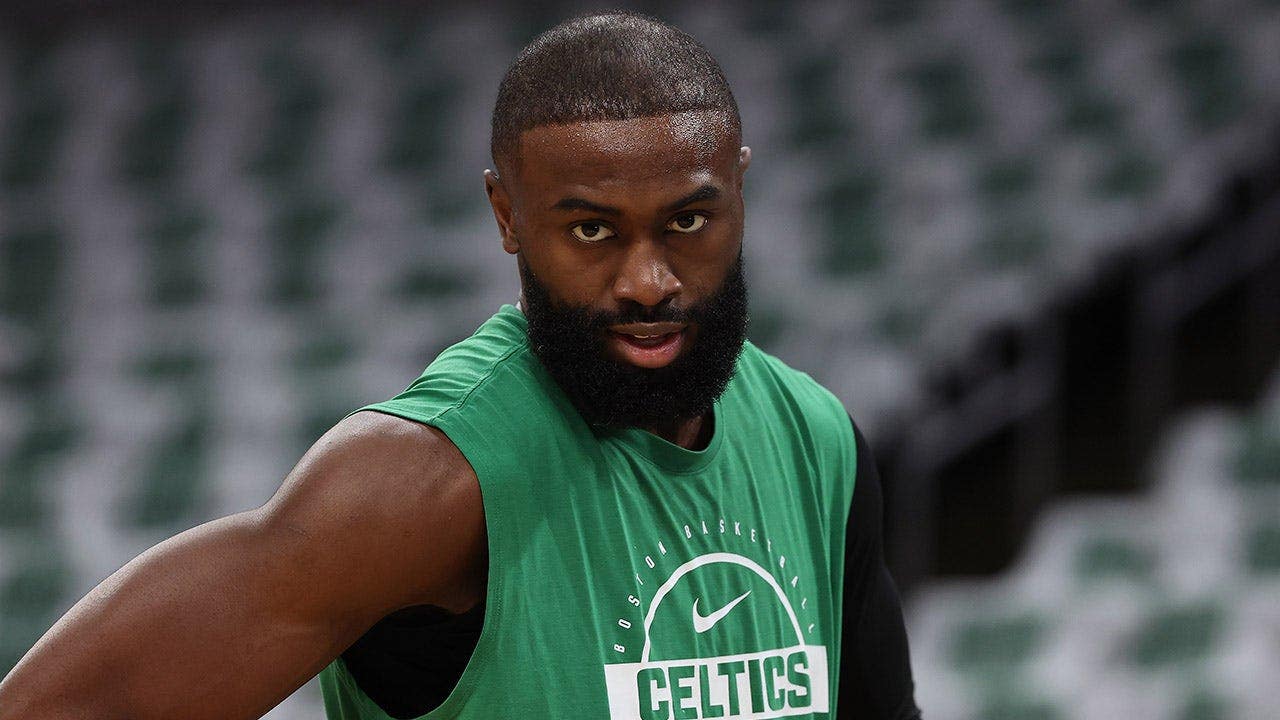
Boston Celtics guard Jaylen Brown used a recent livestream to sharply criticize ESPN commentator Stephen A. Smith, even urging Smith to retire as their public disagreement continued to play out. The exchange has drawn attention from fans, media and the wider basketball community. This article lays out the key moments, background and reactions without taking sides.
Jaylen Brown spoke directly and without much filter while live, making clear his frustration with the way Stephen A. Smith has discussed him and his team. Brown’s words landed hard and fast, and he did not soften his message for television cameras. The livestream format gave him an unfiltered platform and he seized it.
The immediate catalyst for Brown’s remarks traces back to repeated on-air commentary from Smith that Brown and others viewed as dismissive. Those segments built tension over time, setting the stage for a public confrontation. Brown’s livestream response turned that simmering conflict into a visible clash.
On the stream, Brown told Smith that it was time to step away, framing his call as a reaction to what he sees as ongoing disrespect. He suggested retirement not as a literal timetable but as a rebuke to media behavior he finds objectionable. The message was blunt and aimed squarely at Smith’s role in sports discourse.
Viewers reacted quickly across social platforms, with fans and pundits weighing in from both sides. Some supported Brown’s stance, praising him for defending his reputation. Others argued that heated exchanges are part of modern sports media and criticized Brown for engaging publicly.
Smith has built a long career on outspoken takes and a confrontational style, which often draws both ire and attention. That approach has made him a central figure in many sports controversies over the years. Brown’s call for retirement challenges that persona and raises questions about how much influence loud media voices should have.
The feud illuminates a broader shift in athlete-media relations where players can respond immediately and broadly thanks to social media and livestreaming tools. Athletes no longer have to wait for formal interviews to answer critics. That dynamic gives stars like Brown more control over the narrative, and it changes how media personalities engage with players.
For the Celtics, off-court back-and-forths can ripple into locker-room narratives and fan conversations. Team officials usually try to keep focus on performance, but public disputes between players and commentators make that more difficult. Brown’s prominence means his words carry weight beyond a single episode of criticism.
Media companies also face dilemmas when their talent becomes the target of sharp public rebukes from athletes. Networks must balance protecting high-profile commentators with maintaining relationships with active players and franchises. How networks respond could shape coverage decisions down the line.
Fans are split, with some seeing Brown’s move as a necessary stand for respect and others viewing it as overreaction. The debate touches on larger questions about accountability in sports media and the line between tough analysis and personal attacks. That friction will likely persist as long as both camps maintain strong public platforms.
The immediate outcome is mostly noise and headlines, but the longer effects could include changes in tone across sports coverage. Whether Smith revises his approach or doubles down remains to be seen. Either way, the episode highlighted how quickly a single livestream can escalate an ongoing dispute into a national talking point.
Both men operate within ecosystems that reward attention, and this moment adds another chapter to an already visible conflict. It also reminds observers that modern sports debates happen in real time and in living rooms as much as on network stages. The next moves from Brown, Smith and their respective camps will determine whether this blows over or becomes a lasting rift.
