
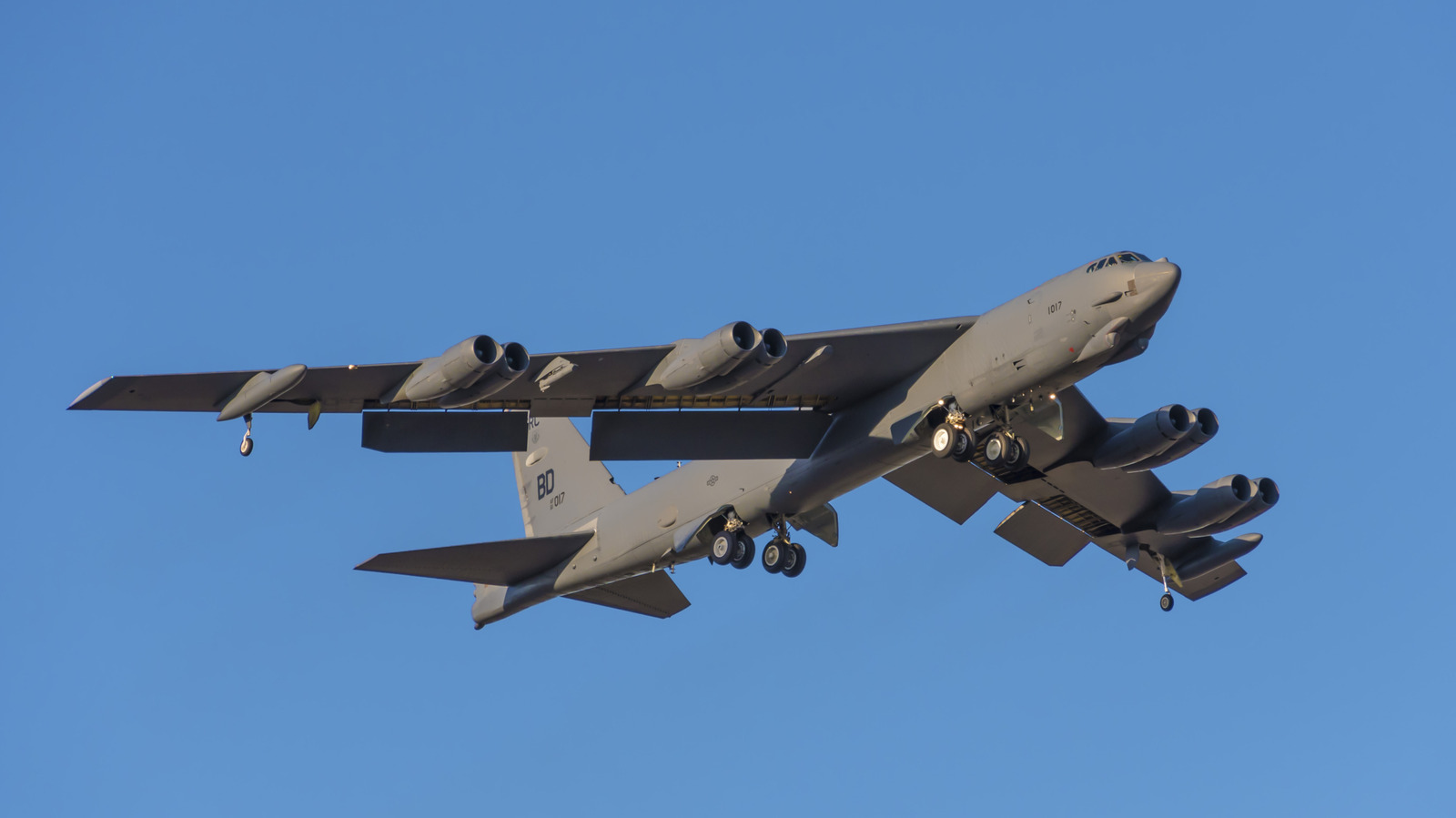
The Air Force is actively searching for a long-term successor to the B-52 bomber while committing to keep the current fleet flying into at least 2050; this piece explains why that plan makes sense, how the aircraft is being updated, and what trade-offs the service faces as it balances capability, cost, and strategic need.
The B-52 has been a backbone of American airpower for decades, and it is not retiring quietly. The Air Force is pursuing a replacement, but that search runs alongside an aggressive effort to modernize what’s already in the hangars. Upgrades to avionics, weapons compatibility, and maintenance practices are stretching the fleet’s usefulness far beyond what critics once expected.
One big reason the Air Force is leaning on the B-52 for so long is economics. Building a new fleet of bombers is enormously expensive and politically complicated, so extending the life of a well-known platform buys time. Those dollars can be diverted to near-term priorities like munitions, sensors, and readiness rather than starting a multibillion-dollar production line today.
Technology plays a surprising role in keeping the B-52 relevant. Modern communications, digital avionics, and new weapon integration allow the airframe to deliver capabilities its designers never imagined. By making the bomber compatible with advanced standoff weapons and networked targeting, the service keeps it useful in high-end fights without rebuilding from scratch.
There’s also the industrial and training angle. Pilots, maintenance crews, and the supply base know the B-52 inside out, which reduces risk when compared with a brand-new system. Transitioning to a new bomber would require years of retraining and ramping up new parts production, so keeping the current fleet buys operational continuity while a successor is developed.
That successor won’t be a like-for-like swap. The Air Force wants a platform that operates in contested environments, potentially relying on stealth, autonomy, or new basing concepts to get weapons on target. Those capabilities take time to design and test, and they carry their own cost and schedule risks, which explains why the B-52 remains a stopgap that could easily last decades.
Maintaining legacy aircraft at age requires relentless attention to sustainment and upgrades. Engines, structural assessments, and corrosion control become major issues as airframes age, so the service is investing in life-extension work and a logistics system that keeps older jets flying safely. Those investments aren’t glamorous, but they are essential if the Air Force is going to avoid capability gaps while it waits for a new design.
Operational flexibility is another selling point. The B-52 can carry a huge array of weapons, perform long-duration patrols, and still serve as a visible deterrent in crises. That kind of flexibility is hard to replace quickly, and it gives commanders options across a range of missions from conventional strike to nuclear deterrence, which helps justify the aircraft’s extended service life.
Still, relying on an aircraft from a previous century has strategic downsides. Adversaries are improving air defenses and sensor networks, and some contested environments may demand platforms with lower observability or different tactics. The Air Force has to balance current utility against future risk, which is why development of a successor continues in parallel with sustainment of the existing fleet.
The plan to keep B-52s flying into 2050 is a pragmatic compromise between capability and cost. It preserves a proven tool while the Air Force pursues the next-generation attributes it needs, whether that means stealth, speed, autonomy, or modular weapon systems. That middle path is messy, but it buys time to get the successor right without abandoning the missions the B-52 performs today.
Politically and industrially, the decision also spreads risk. A gradual transition maintains jobs and supply chains while giving lawmakers a clearer picture of budgets and timing. For a nation that values both readiness and fiscal oversight, that steady approach is a straightforward way to manage a complex, long-term shift in strategic airpower.
