
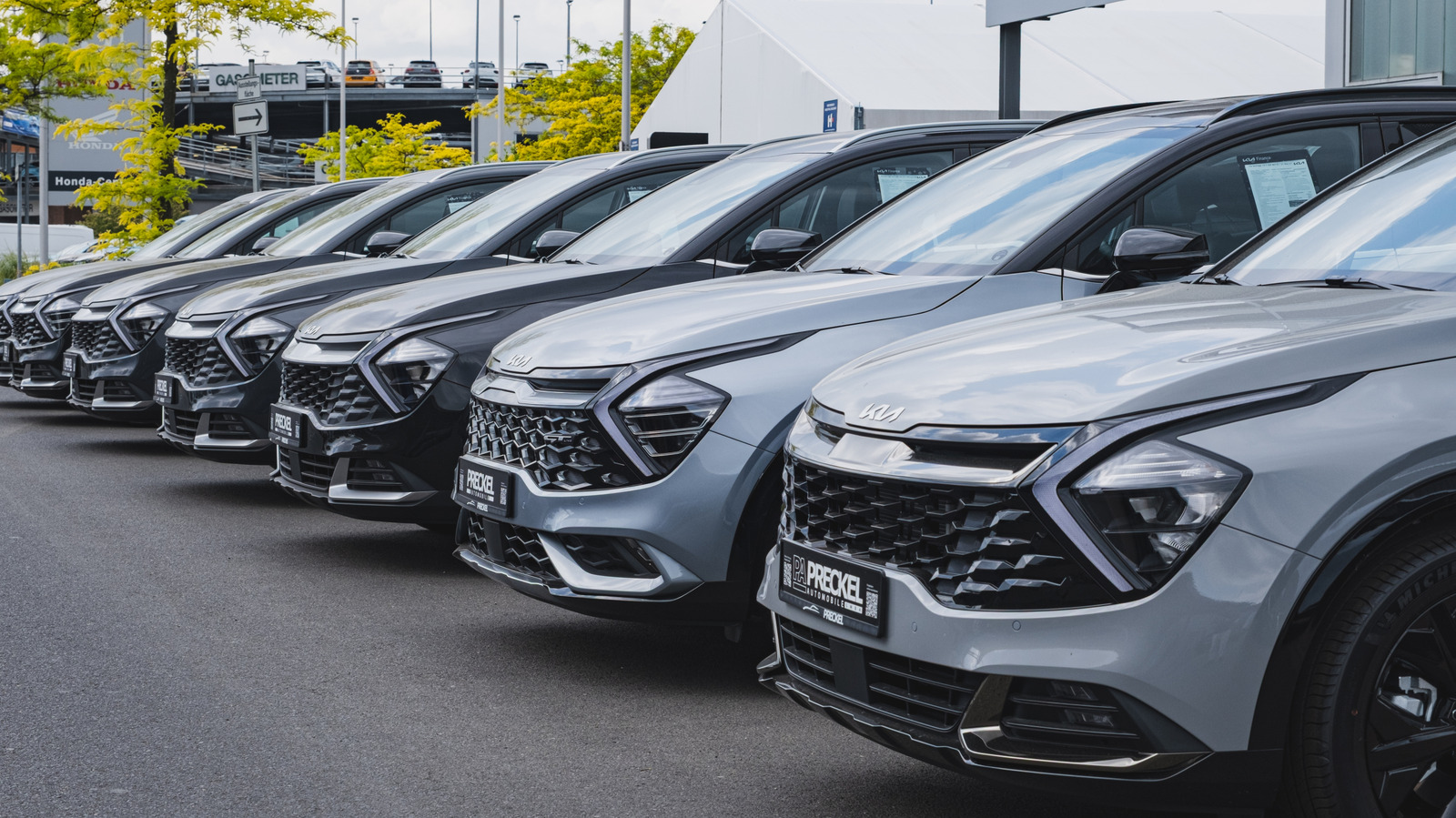
Kia has been on the rise in the U.S., posting record sales and carving out a bigger slice of the market, but one of its SUVs has lagged behind. This piece walks through how a single slow-selling model can sit oddly next to a brand’s momentum, explores likely causes from positioning to competition, and outlines realistic moves the company could take to fix the mismatch without overpromising quick fixes.
Kia’s momentum is real: strong design, competitive pricing, and a reputation for value have helped lift the entire lineup. That broader success makes the underperforming SUV stand out even more because it contrasts with what buyers expect when they see the badge. When one model doesn’t pull its weight, it creates pressure on dealers and marketing teams who need consistent volume across the range.
What drives a single model’s underperformance usually isn’t one single issue but a cluster of small problems stacking up. Overlap with other models in the lineup can cannibalize sales, while confusing trim structures or pricing that doesn’t match perceived value can turn potential buyers away. In a segment crowded with capable rivals, even minor gaps in tech, interior feel, or driving refinement can be the difference between a sale and a pass.
Competition in the SUV space is fierce, and consumers have plenty of attractive choices from established players and new entrants alike. Many shoppers prioritize fuel efficiency, interior tech, and cargo practicalities, and if the slow-selling SUV misses on one of those checkboxes, shoppers will move on. Brand halo matters too; buyers attracted to flagship models don’t always translate into interest in every sibling model.
Dealer experience matters more than people realize: availability, test drive access, and dealer willingness to promote a model shape real-world sales. If inventory is thin or dealers focus their showroom energy on higher-traffic models, the lagging SUV becomes invisible to casual prospects. Incentive strategies can help, but heavy discounting erodes margins and can harm long-term perceived value if used too aggressively.
Product timing and lifecycle are also critical factors. A model that feels dated against fresher competitors will struggle unless it’s due for a refresh. Conversely, launching too many similar products in a short window creates buyer fatigue and forces difficult lineup decisions. Getting the cadence right — updates, special editions, and clear positioning — helps maintain momentum across the range.
Marketing and messaging need to speak to real buyer concerns rather than just pushing specs. If the story around the SUV focuses narrowly on features that matter more to enthusiasts than mainstream buyers, the model will undercut its own audience. Smart positioning highlights everyday benefits like practicality, comfort, and total cost of ownership, which often sway family-focused buyers in this class.
Practical steps that could help include tighter differentiation within the lineup, refreshing key areas where customers notice first, and aligning dealer incentives so sales teams prioritize the model. Strategic advertising that shows the vehicle in realistic use cases can reconnect it with shoppers who overlooked it. These moves won’t guarantee instant turnaround, but they create the conditions for the SUV to compete on a level field rather than linger as an odd outlier.
