
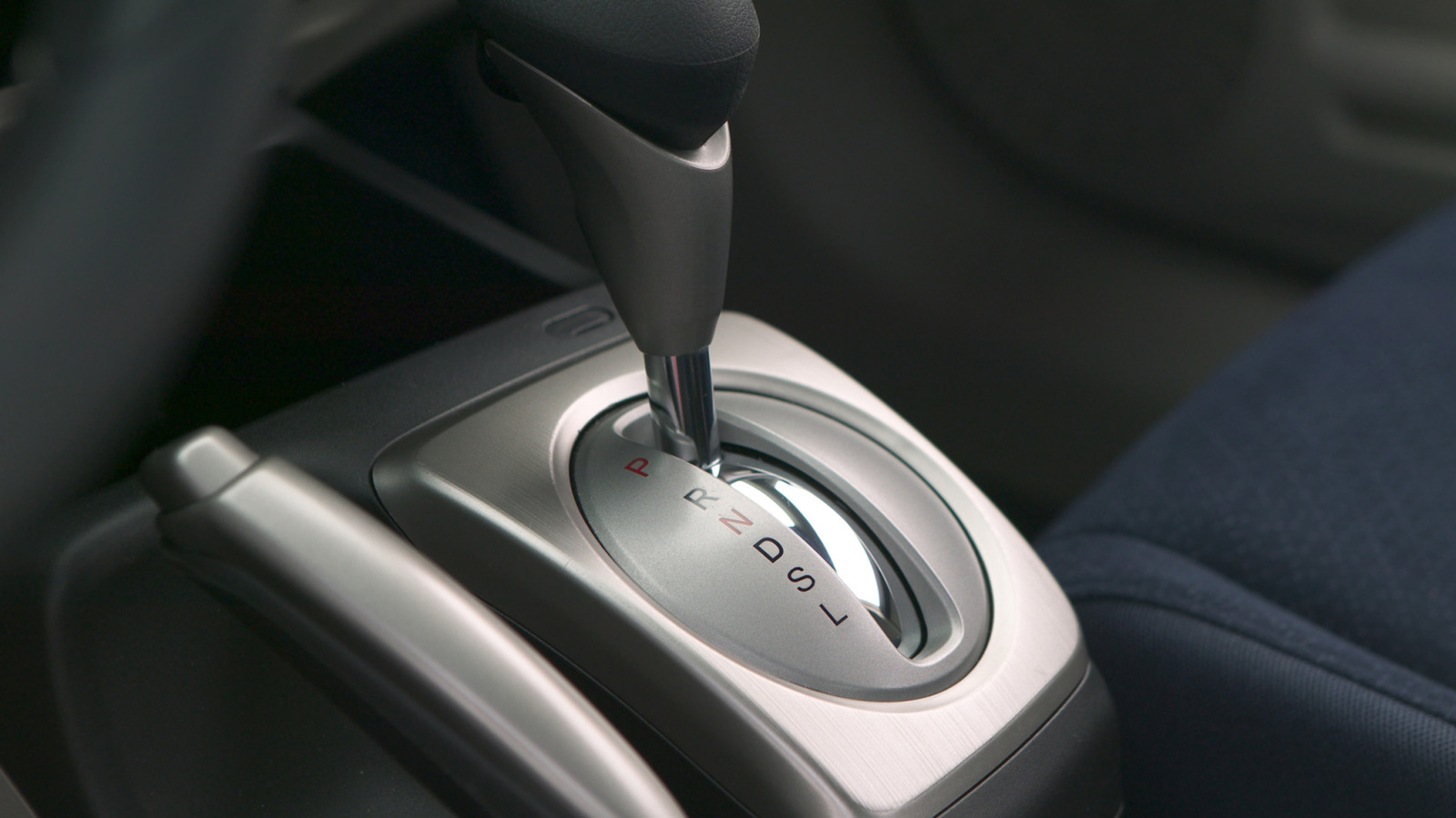
If you’ve spotted an L on your automatic gear selector and wondered what it does, this piece breaks it down clearly: what L is, how it changes the car’s behavior, and the situations where it actually helps. You’ll get practical do’s and don’ts, quick tips for hills and towing, and a simple explanation of why using L isn’t the same as stomping the gas. Read on and you’ll drive smarter without technical fuss.
The L stands for low gear. In an automatic transmission, selecting L tells the car to stay in a lower gear ratio instead of shifting up through the automatic range. That keeps engine revs higher for more immediate power and stronger engine braking. It’s a straightforward control that gives you more influence over how the vehicle behaves without switching to a manual mode.
One of the main reasons to use L is engine braking on long downhill runs. Instead of relying purely on your brakes, the transmission holds a lower gear so the engine helps slow the car, cutting wear and heat buildup on the brake pads. This is especially useful when hauling heavy loads or descending steep, winding roads where constant braking could cause fade. Use L moderately to keep speed controlled without overheating components.
Towing and heavy loads are other good matches for L. When a vehicle is pulling weight, the engine needs to work harder at low speeds and during climbs, and higher gears can make the engine lug or hunt for power. Locking in a lower gear keeps torque available and reduces strain on the transmission. That helps maintain steady progress up grades and prevents the car from repeatedly upshifting and downshifting in a frustrating loop.
Snow, mud, and loose surfaces sometimes call for L too. Lower gears provide smoother low-speed control and better traction by preventing sudden high-rpm shifts when you just want to crawl forward. That said, modern cars with traction control and specific drive modes often do a great job without manual intervention, but L remains a reliable fallback when you need predictable, slow-speed power. Take care not to spin the wheels with too much throttle.
Don’t use L on the highway or for everyday cruising. Keeping the engine at high rpm for sustained highway speeds wastes fuel and can boost wear on engine components. The lower gear limits maximum speed and makes the ride noisier and rougher. Use L only for the specific scenarios it helps with: steep hills, towing, or controlled low-speed driving.
Vehicles differ on how their low gears are labeled and behave. Some cars show 1 and 2 as options, which are essentially low gear steps that let you choose how aggressively the transmission stays downshifted. Others use an L or a single low setting that simply holds the lowest gear. Check your owner’s manual to learn precisely how your car responds, but remember the general principle: lower gear equals more engine braking and lower top speed.
Using L incorrectly can have consequences. Riding high RPMs for too long will increase fuel use and could lead to unnecessary mechanical stress. Overusing engine braking in mild conditions can be inefficient and noisy. The right approach is situational: pick L when its benefits clearly outweigh the downsides, and switch back to Drive for normal city and highway running.
When in doubt, ease into it. Try L on a controlled downhill or in a short towing run to feel how the car responds, and get comfortable with how much throttle it needs. The control it gives is straightforward and can be a real advantage in tricky driving conditions. Once you know what L does, you’ll find it’s one of those small features that makes big differences when used at the right time.
