
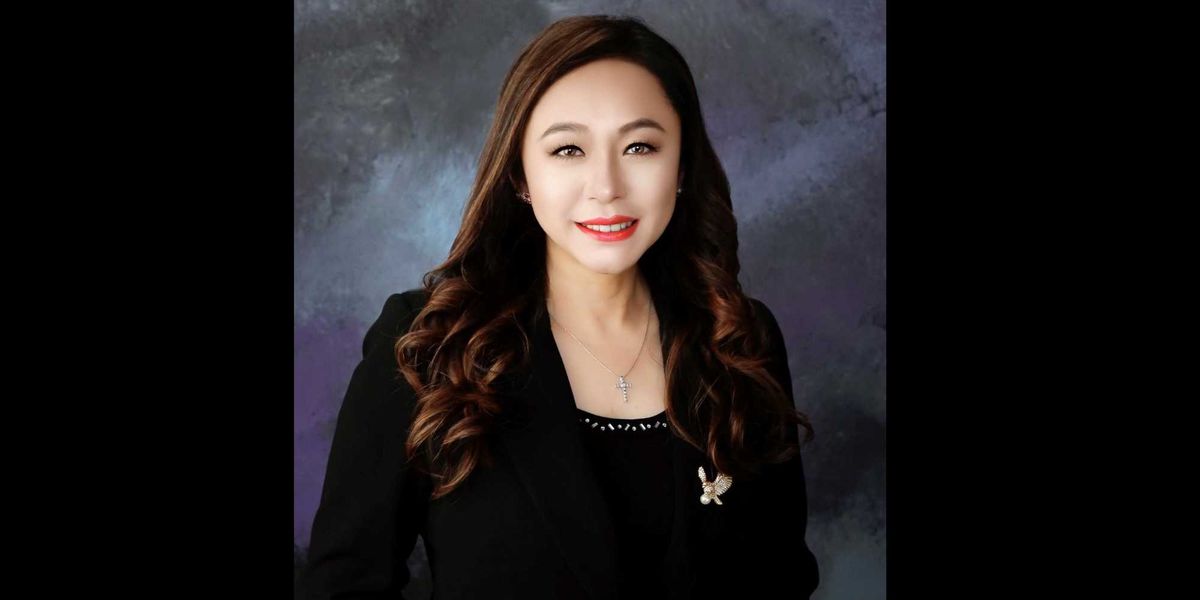
The mayor of a Southern California city has agreed to plead guilty to serving as an agent for the People’s Republic of China, resigned her office, and now faces federal charges that underline a serious national security concern at the local level. This case, involving online propaganda, campaign ties, and federal prosecutions, raises hard questions about influence operations and how communities detect and respond when foreign interests try to shape local politics.
The federal announcement says Arcadia Mayor Eileen Wang admitted to acting on behalf of a foreign government before she took office. Prosecutors say the activity took place over a two-year stretch and involved promoting pro-PRC content aimed at U.S. audiences. The admission ended with a plea deal and Wang’s resignation from the mayor’s chair.
“Mayor Wang admitted to acting as a foreign agent from at least 2020 through 2022 — promoting PRC propaganda in the U.S. and acting at PRC’s direction to promote their interests,” wrote FBI Director Kash Patel on . “She has agreed to resign from office and plead guilty.” That direct federal language signals this was not garden-variety mistaken commentary, but coordinated work at the direction of foreign officials.
The operation included a news site labeled the U.S. News Center, run by Wang and Yaoning “Mike” Sun, which presented itself as a community resource for Chinese Americans. Federal filings say posts were approved or requested by PRC officials and that the pair carried out directives to push favorable narratives. When influence campaigns couch themselves as local outreach, it becomes tougher for citizens and local officials to spot what’s happening.
Sun, who managed campaign activities and was Wang’s fiancé, was previously prosecuted for related conduct and received a multi-year sentence. Federal authorities tied Sun to a broader pattern that included working with convicted operatives and following orders from PRC contacts. Those convictions underline the seriousness of the network federal prosecutors allege existed around the U.S. News Center.
https://x.com/FBIDirectorKash/status/2053960754462654490
The Arcadia city manager stressed that, according to the city’s review, the alleged activity stopped before Wang assumed office and that municipal operations were not compromised. “We understand this news raises serious concerns, and we want to be direct with our community about what we know and where we stand,” wrote Dominic Lazzaretto in the city statement. He added, “The allegations at the center of this case, that a foreign government sought to exert influence over a local elected official, are deeply troubling.”
Investigations like this are reminders that foreign influence often arrives quietly and through seemingly legitimate channels. Local governments must be realistic about vulnerabilities and adopt basic safeguards so decisions, budgets, and staff work stay immune to outside pressure. Transparency, vetting of political operatives, and awareness in community media are not political niceties; they are practical defenses.
National security officials and lawmakers reacted predictably: some demanded fuller probes and reforms, while others asked whether this was an isolated incident or part of a broader pattern. “How many more are there?” asked Senator Mike Lee. John Eisenberg, assistant attorney general for National Security, put it plainly: “Individuals elected to public office in the United States should act only for the people of the United States that they represent.”
The episode is a caution for voters, civic leaders, and anyone who consumes community media. Platforms that appear local can be repurposed as tools of a foreign agenda, and donors or campaign teams tied to foreign operatives should invite scrutiny. Preventing foreign influence comes down to vigilance, better information sharing between local and federal authorities, and an electorate that demands accountability.
The case also raises technical and legal questions about how to prosecute influence operations that hide behind speech and media outlets. Law enforcement must balance First Amendment protections with enforcement of statutes that forbid acting as an agent of a foreign government without proper disclosure. Prosecutors say that when foreign directives cross into covert influence and coordination, the shield of free speech no longer applies.
Communities can take immediate, practical steps: tighten disclosure rules for campaign consultants, require clearer sourcing for community news platforms, and ensure local officials receive training on conflicts of interest and foreign influence. Federal partners can support with guidance and targeted assistance so cities are not left to handle complex intelligence matters on their own.
