
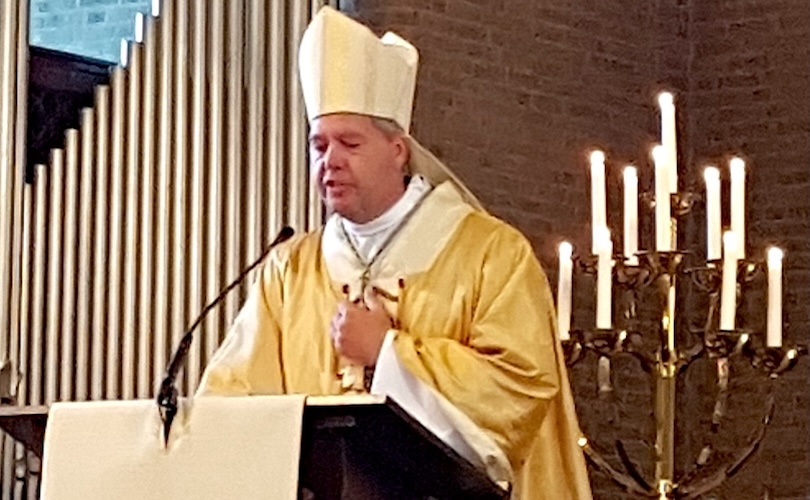
Bishop Mutsaerts was badly hurt when his car struck a tree on the side of the road while he was returning from a retreat center where he had been hearing confessions, and he is now responsive and no longer in intensive care. Medical staff report he remains under observation and treatment as family and the faithful wait for further updates. The accident has drawn concern from parishioners and colleagues, highlighting both the risks clergy face while on duty and the outpouring of community support afterward.
The crash happened as the bishop was driving home after spending time at a retreat center focused on sacramental ministry, a place where he had been hearing confessions and offering spiritual care. The vehicle left the roadway and struck a tree, causing injuries that required hospital transport and immediate attention. Local responders and hospital teams worked to stabilize him, and officials later confirmed his condition improved enough to be moved out of intensive care.
Hospital sources say Bishop Mutsaerts is responsive and able to communicate at times, and that he is receiving continued medical care tailored to his injuries. Doctors have emphasized careful monitoring and follow-up testing to track recovery progress without committing to a firm timeline. While the move out of intensive care is a positive development, clinicians stress that recovery from trauma can be gradual and will depend on ongoing assessments and rehabilitation needs.
The fact that he had been at a retreat center hearing confessions when the accident occurred adds a poignant note to the story, since that work often involves long hours and emotionally charged encounters. Clergy who travel to retreats and parishes frequently balance heavy schedules with pastoral duties, and incidents like this underscore how the demands of ministry can place physical strain on those who serve. Parishioners who know his routine say he was committed to tending to people in need and returned from that ministry before the crash happened.
News of the bishop’s condition prompted swift reactions from members of his diocese and beyond, with many offering prayers and practical support to his family and staff. Messages have come in from fellow priests, lay leaders, and parish communities, expressing relief at the improvement in his medical status and asking for continued privacy as he heals. Several congregations have organized prayer vigils and moments of silence to show solidarity with his recovery and to lift up those affected by the accident.
Beyond the immediate concern for his health, the incident has reopened conversations about road safety for clergy who travel frequently between parishes and retreat centers. Fatigue, variable weather, and long drives on rural roads all play a role in risk, and leaders are reminding ministries to prioritize safe travel practices for teams and individuals alike. Some dioceses are reviewing protocols for overnight stays and ride-sharing during intense pastoral seasons to reduce single-driver risk on the road.
As Bishop Mutsaerts continues under medical care, diocesan officials say they will provide updates as reliable information becomes available and as consent allows. Meanwhile, parish activities and sacramental schedules are being adjusted to ensure continuity of ministry while colleagues step in to cover his public responsibilities. The community response shows a mix of concern and practical coordination as church leaders balance pastoral needs with the bishop’s recovery.
For now, the focus remains on his stabilization and recuperation, with health teams and loved ones closely monitoring progress. Supporters are asking for patience as authorities and medical staff complete assessments and determine what steps will be needed for rehabilitation. The incident serves as a reminder of how quickly daily routines can be interrupted and how a community rallies when one of its shepherds is in need.
