
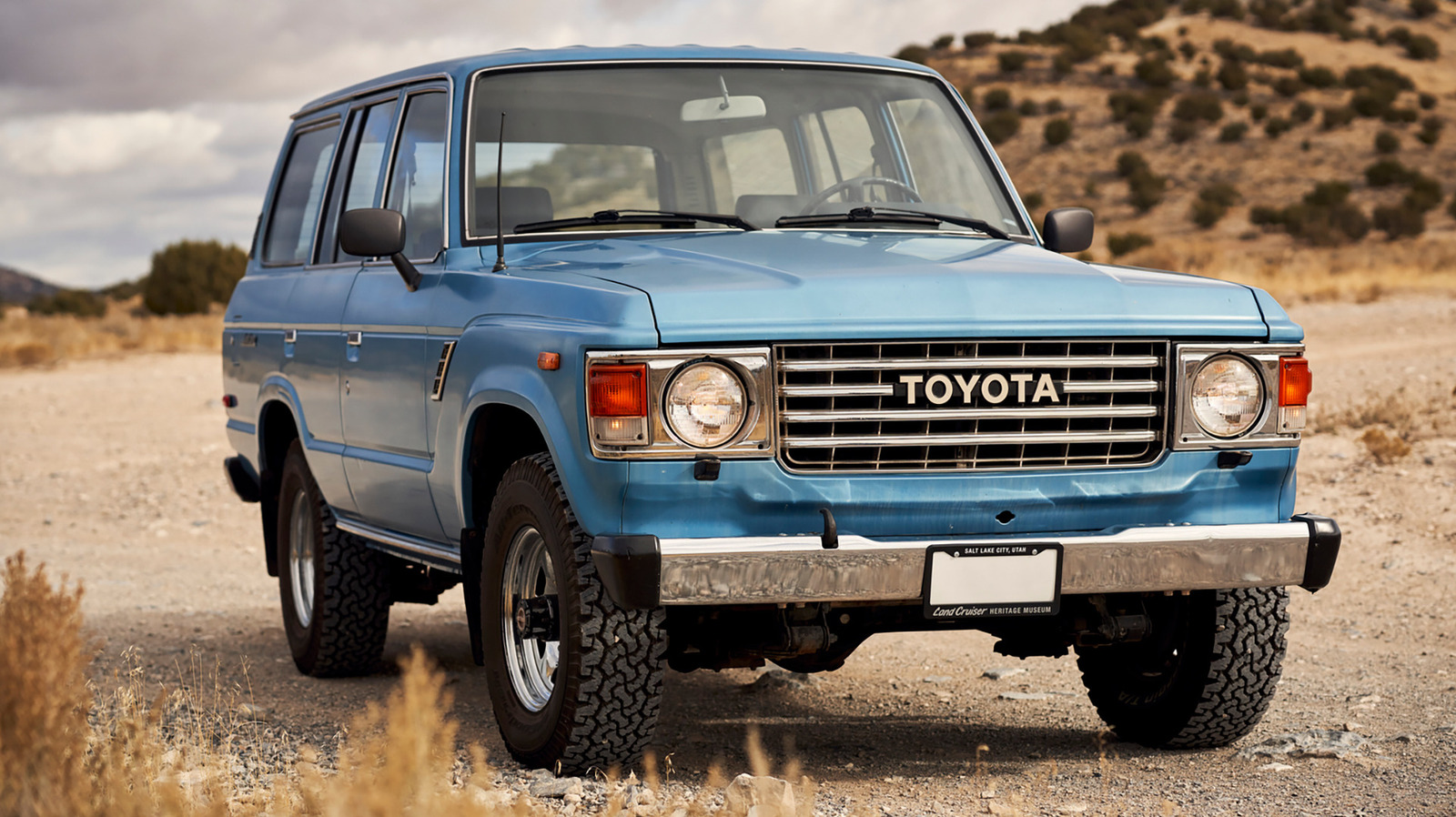
This piece celebrates the clean, boxy charm of 1980s SUVs, explaining why their proportions, design honesty, and utilitarian details still attract attention, how those traits contrast with today’s bloated crossover trend, and what keeps collectors and enthusiasts hooked on restoring and driving these trucks decades later.
The 1980s produced SUVs that looked like they had a purpose: flat panels, upright windshields, and crisp edges that read as honest and rugged. Those lines gave a hard, architectural presence that modern curved silhouettes rarely match. The simplicity of form made them instantly recognizable even from across a parking lot.
Inside, cabins were straightforward and no-nonsense, built around function before fashion. Big windows meant great visibility and fewer blind spots, and controls were chunky and tactile. That hands-on, mechanical feel connects drivers directly to the vehicle, which many modern, highly filtered cabins have lost.
Under the skin, these trucks were designed to be fixed, not discarded. Solid axles, simple wiring, and a lack of electronic babysitting made routine repairs doable in a driveway or local shop. For owners who like to wrench, that accessibility is priceless and it helps explain the growing restoration movement.
Off-road credibility came naturally from the era’s engineering mindset; many of these SUVs were built with real trail intentions rather than just off-road styling cues. Long travel suspension, high ground clearance, and low-range gearing were common options or easy upgrades. That genuine capability still wins over buyers who want a vehicle that can go where a paved road stops.
Stylistically, the box shape conveys utility in a way curves cannot, allowing for practical benefits like square cargo areas and easier roof rack integration. Those flat sides and upright roofs also produced a distinctive silhouette that photographers and designers still admire. The aesthetic has aged well because it reads as authentic rather than trendy.
Collectibility has risen as tastes shift and people crave alternatives to cookie-cutter SUVs. Folks are preserving examples, sourcing period-correct parts, and swapping in modern drivetrains where needed while keeping the original vibe. That blend of old-school looks with selective modern upgrades creates daily drivers that perform better without losing the personality that made them special.
The contrast with today’s SUVs is stark: size creep, layered plastics, and ever-more complex electronics have pushed a lot of character out of mainstream designs. Modern vehicles trade rugged clarity for aerodynamic curves and extra tech, which appeals to many, but it also narrows the choices for those who want a vehicle that reads as honest and purposeful. For lovers of the 1980s boxes, that narrowing only raises the appeal of the originals.
In communities and on social media, these trucks spark real enthusiasm because they stand out visually and mechanically. Restorers share tips on simple upgrades and stock-correct restorations, and weekend trail runs highlight what these vehicles were made for. That active culture keeps the interest fresh and gives new buyers a support network for owning a piece of automotive history.
