
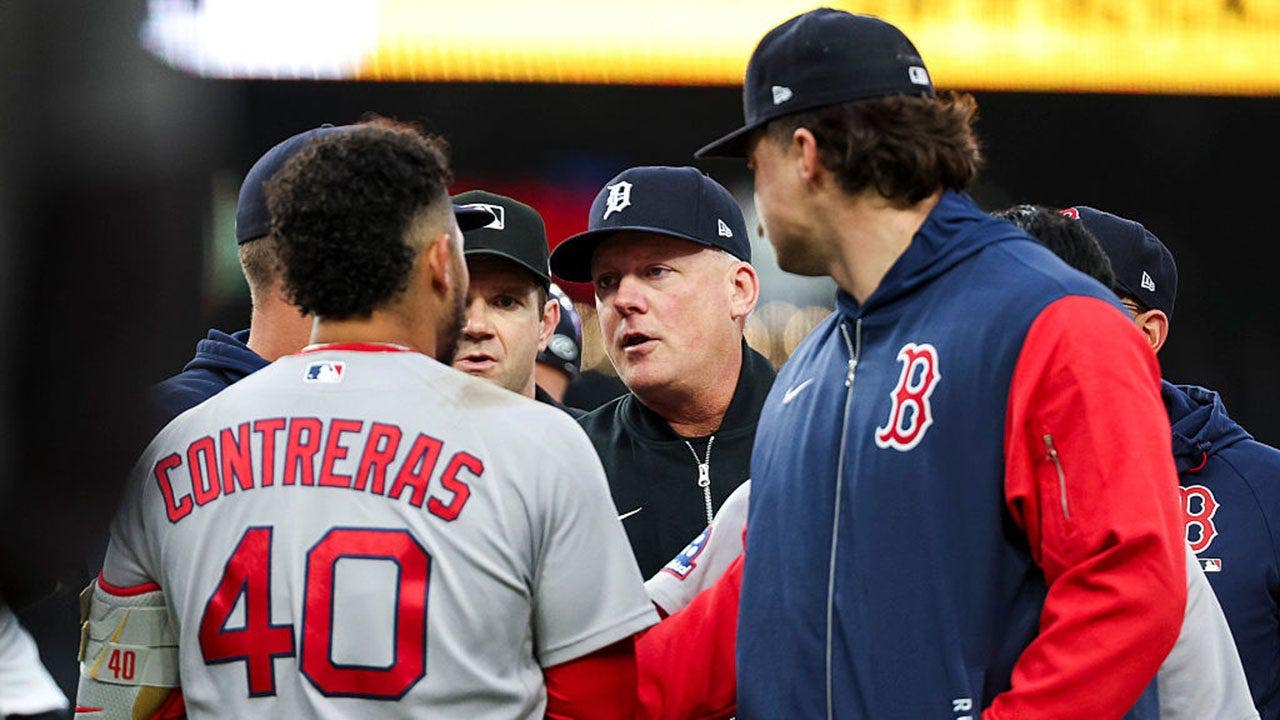
The Red Sox cruised to a 10-3 victory, and the broadcast booth didn’t hold back when Detroit’s starter, Framber Valdez, later hit Trevor Story. Broadcasters flagged the pitch as a reaction to Valdez surrendering three home runs, and their blunt take turned the postgame chat into a conversation about intent and baseball’s unwritten rules. This piece walks through what happened, how the booth reacted, and why fans and teams will be watching what comes next.
In the middle innings Valdez struggled, allowing three long balls that helped Boston build a big lead. By the time the scoreboard read 10-3, the mood in Fenway felt settled, but a pitch that hit Trevor Story reopened the narrative. That one moment forced broadcasters to ask whether the hit-by-pitch was part of the game’s push-and-pull or simply poor control from a pitcher having an off night.
The Red Sox broadcast crew wasted no time calling attention to the sequence, saying it looked like retaliation for those earlier homers. Their comments were direct and punchy, reflecting how national audiences often hear the emotion of a local booth as plain truth. They framed the hit as notable because it came after a lopsided inning, making it feel unnecessary and provocative to many listeners.
Baseball has a long, murky history of retribution and messaging thrown behind fastballs, and broadcasters leaned on that context without pretending to know Valdez’s mind. They pointed out how timing matters: a pitch that would otherwise be shrugged off becomes a headline when it follows a clear momentum shift. That’s the calculus that keeps umpires, managers, and the league glued to certain moments and ready to intervene if things escalate.
Reactions from fans and analysts echoed the booth’s tone, with social media lighting up almost immediately after the incident. Some viewers saw the hit as a natural, if ugly, part of the sport’s dynamics, while others felt it crossed a line given the size of the deficit and the stage. The split reaction underscores how baseball’s unwritten code still means different things to different people, depending on team loyalty and tolerance for hard-edged tactics.
From a team perspective, incidents like this can ripple into clubhouse conversation and managerial decisions without any official punishment needed to alter behavior. Managers might jaw at one another, benches could clear in rare cases, and the next meeting between the clubs suddenly carries more weight. Broadcasters highlighted that even when nothing immediate happens, these moments get archived and influence how pitchers and hitters approach the next matchup.
For Trevor Story, being on the receiving end of a hit-by-pitch is a temporary bump in the road, but it’s the kind of incident that draws attention for a few days and then lingers in the background. For Valdez, whether the league reviews the pitch or not, the optics aren’t great when a pitcher is hit hard by long balls and then plunks a star batter. The booth’s straight talk pushed the issue into public view, and now the narrative will follow both teams until they meet again and the scoreboards — and perhaps the benches — decide what comes next.
