
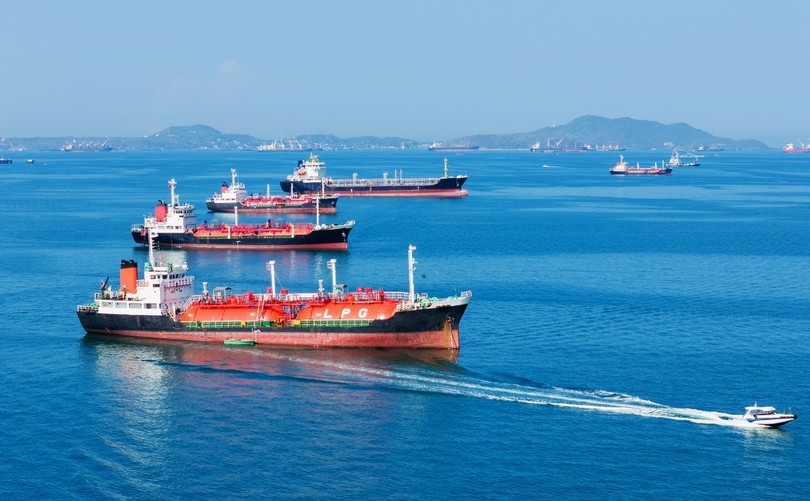
The Apostleship of the Sea is raising alarms and asking for prayers as crews in the Strait of Hormuz find themselves isolated, facing shortages and limited contact with families, while maritime and church leaders press for humanitarian relief and clearer international action.
In recent days, reports from seafarers and welfare groups have painted a stark picture of life aboard merchant vessels forced to loiter in a congested chokepoint. Routine rotations and shore leave are often denied, leaving many sailors stuck on board for weeks longer than planned and under mounting stress. The Apostleship of the Sea and other maritime charities have been working to identify the most urgent cases.
Bishop Luis Quinteiro of the Apostleship of the Sea said many sailors are ‘completely trapped’ and cut off from the world, a phrase that captures both physical and emotional isolation at sea. Communication blackouts, delays in crew changes, and paperwork slowdowns have compounded the problem for seafarers trying to contact family or access medical care. For those on long-haul voyages, the lack of normal shore-side support has psychological as well as practical consequences.
Logistics are a nightmare when ships cannot enter port or are held in holding patterns. Supplies that would normally be replenished during port calls can run low, and crew rotation schedules get disrupted, increasing fatigue risks for those who must remain on watch. Shipowners, insurers, and managers are scrambling to find safe windows for crew changes while complying with local security and regulatory requirements.
Humanitarian groups and clergy have stepped into a gap created by stretched commercial and governmental responses. Chaplains and volunteers are coordinating phone and video contact with families, delivering pastoral care where possible, and advocating for emergency access to medicines and provisions. Those efforts are limited by security considerations and the sheer number of vessels affected, but they provide a lifeline for many crews.
There are practical steps that could help reduce the strain on seafarers, such as designated humanitarian corridors for crew changes and streamlined documentation for emergency port calls. International maritime bodies have called for coordinated approaches to keep trade flowing while protecting personnel, yet implementing fast, reliable measures remains difficult amid regional tensions. Clearer protocols and cooperation between flag states, port authorities, and shipping companies would cut through much of the current uncertainty.
Beyond logistics, the situation exposes how vulnerable the global supply chain can make individual workers. Sailors are on the front line of world trade but are often invisible when things go wrong. Their wellbeing depends on laws, corporate responsibility, and rapid diplomatic responses that prioritize human needs as much as cargo schedules.
The Apostleship of the Sea and similar organizations are urging practical help alongside moral support, asking for prayers and concrete actions to restore contact, rotate crews, and deliver essential supplies. Local port agencies and international partners can play a role by allowing vetted humanitarian access and by fast-tracking documentation in clear, limited ways that do not compromise security. When bureaucracy yields to compassion, lives can be stabilized much more quickly.
For the sailors themselves, small gestures matter: reliable communications with loved ones, permission for urgent medical disembarkation, and access to spiritual care can make a world of difference. The current situation in the Strait of Hormuz is a reminder that geopolitical friction translates into human challenges at sea, and addressing those challenges calls for both prayerful solidarity and practical, coordinated action from the maritime community and governments alike.
