
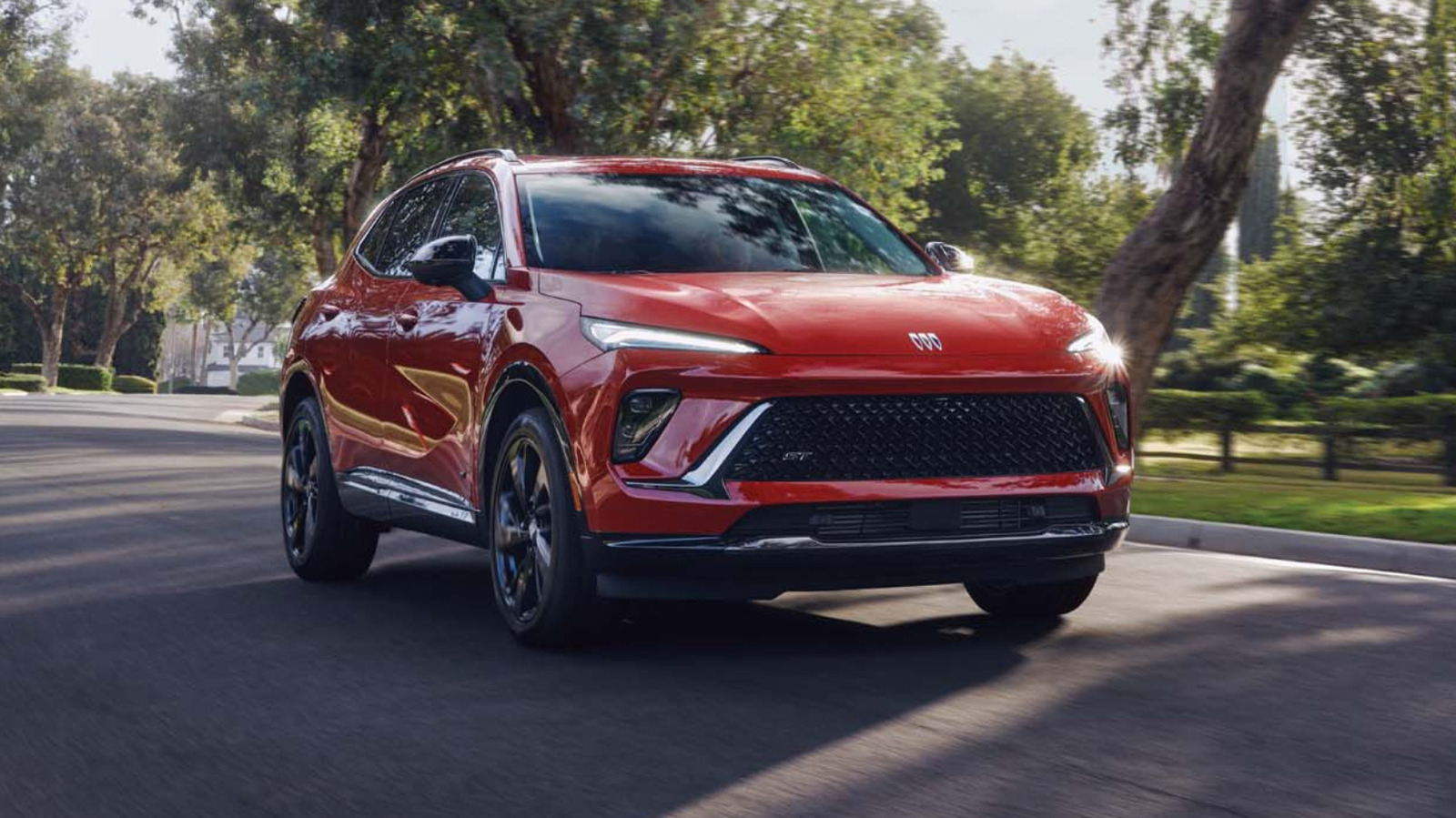
Buick, a long-standing name in American motoring, is facing a sharp downturn in buyer interest during 2026, with one of its compact SUVs reporting drastically lower sales than it achieved in 2025. This piece looks at what the numbers reveal, where the gaps likely opened up, and how the brand might recover traction without abandoning its core identity.
The SUV in question has seen sales drop to an unexpectedly low level, a decline that stands out against a still-healthy small SUV market overall. Industry watchers point to a combination of misaligned pricing, an aging design, and tougher competition from newer rivals that have better tapped into buyer preferences. When an entry that once moved reliably now sits unsold on lots, it exposes weaknesses across product planning and retail strategy. That kind of underperformance forces a brand-wide conversation.
Brand perception has become a major hurdle. Younger buyers, who dominate crossover purchases, often view Buick as safe but staid, and newer entrants have leaned into tech and lifestyle messaging that resonates more strongly. Modern shoppers want apps, seamless connectivity, and a look that signals modernity. If a model doesn’t meet those expectations at first glance, it risks being skipped regardless of legacy reputation.
Another factor is the pace of electrification and platform updates across the segment. Competitors are pushing fresh architectures that support hybrids or pure electric variants, while some Buick models remain tied to older platforms with incremental updates. That gap can translate into showroom declines because shoppers increasingly value future-proofing. Even modest hesitancy about a model’s longevity can tilt a buyer toward a rival.
Pricing and incentives also play a role. If a model is positioned too close in price to more fashionable alternatives, buyers weigh features and perceived value and often choose the flashier option. Conversely, heavy discounting to move metal damages resale expectations and dealer margins. Finding the sweet spot requires data-driven pricing and an honest read on where a model sits in the lineup hierarchy.
Dealer execution matters as well. Showroom staff who are not confident about a car’s story will fail to sell it effectively, and lots that keep the slow-selling SUV without rotating promos make it look unloved. Dealers that highlight strengths, bundle desirable options, and create attractive ownership packages tend to move stock faster. A coordinated retail push can often blunt the impact of poor organic demand.
Design and feature refreshes are practical levers Buick can pull. A sharper exterior, interior upgrades focused on tech and materials, and more compelling trim options can change buyers’ minds quickly. Even targeted updates, like improved infotainment or a popular driver assist suite, can punch above their weight if they address reasons customers are walking away. Timing matters, so a clear refresh roadmap must be part of the response.
Strategic repositioning could help too: leaning harder into premium comfort rather than chasing sportier rivals, or accelerating EV options where the brand has unique advantages, are both viable paths. Each choice carries trade-offs, and the aim should be to play to Buick’s strengths while closing the most glaring gaps. The key will be a focused plan that turns buyer indifference into curiosity.
Finally, communication and advertising need to match the product changes. If new features and updates aren’t loud and clear in campaigns, the market won’t notice even the best improvements. Smart, targeted messaging that highlights real benefits rather than vague nostalgia can rekindle interest and help the slow-selling SUV find a market again.
