
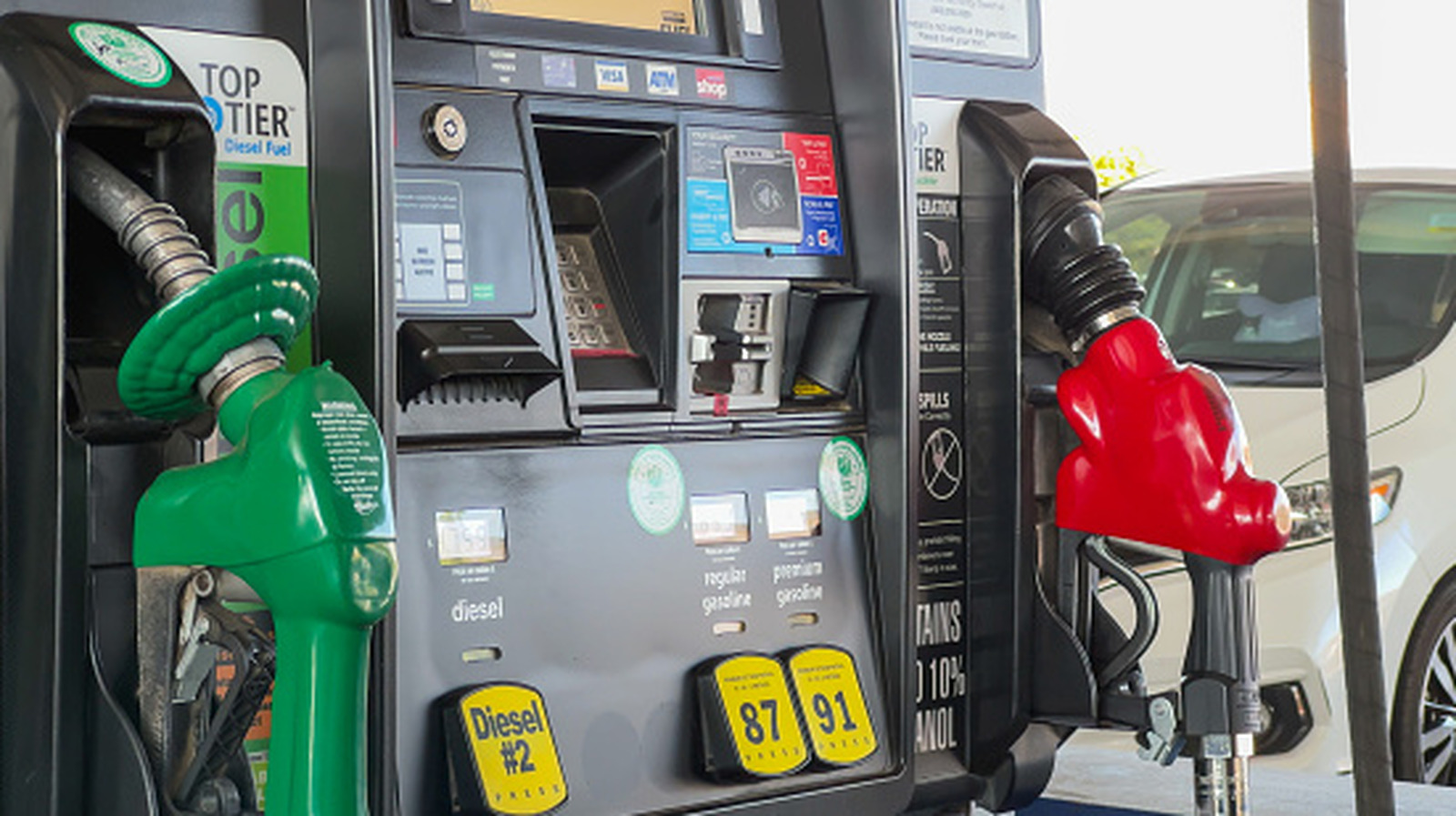
Researchers in Wisconsin have sketched out a fresh idea: an engine that burns gasoline and diesel at the same time, and the early results are unexpectedly interesting. This piece walks through the concept, why it matters, the technical quirks researchers uncovered, and what this could mean for vehicles and fuel systems moving forward.
The idea is simple in concept and messy in practice. Instead of picking one fuel, the engine mixes and meters both gasoline and diesel, aiming to capture advantages of each. Gasoline offers cleaner combustion in some regimes while diesel brings high energy density, and the team wanted to see if the two could complement each other in a single cylinder. Their work is less about an immediately shippable product and more about testing a strange idea that might unlock new tradeoffs.
Technically, the researchers tweaked injection timing and pressure to get the fuels to meet each other inside the combustion chamber rather than fighting one another. That balancing act is delicate because gasoline and diesel have different ignition behaviors and vapor characteristics. In practical tests the blend produced combustion patterns that surprised the team, exposing both promise and fresh challenges for engine control systems. These patterns also revealed opportunities to tame common engine issues such as knock and soot under certain conditions.
One notable takeaway is fuel flexibility. A dual-fuel concept like this could let a single engine adapt to whatever fuel is available, which matters for regions with mixed fuel supply or for fleets that want redundancy. Fleets could potentially switch blend ratios on the fly to track cost or emissions targets, and remote operators might run the cleaner option when they can and the denser option when range matters. Still, flexibility raises questions about real-world logistics, from pumps and storage to fuel quality variability across suppliers.
On emissions, the results were a mix of encouraging and cautionary signals. In some operating windows the combined fuels burned cleaner than expected, lowering certain pollutant outputs thanks to more controlled combustion. But in other conditions the mix increased particulate formation, so filtering and aftertreatment strategies would need to be tailored. That means any practical system would likely require smarter sensors and faster controls to keep emissions inside legal limits while taking advantage of the blend.
Durability and maintenance are other pieces of the puzzle. Running two chemically different fuels through the same hardware can accelerate wear or change deposit patterns inside injectors and valves. The team already flagged potential material and lubrication issues that would need long-term testing. For OEMs and fleet owners, those maintenance questions will be just as important as headline efficiency numbers when deciding whether to adopt a dual-fuel approach.
Regulatory and market hurdles are unavoidable. Certification authorities test engines against strict fuel and emissions standards, and an engine that intentionally blends fuels will force a rethink of test cycles and compliance procedures. Market acceptance will hinge on clear benefits: cost savings, longer range, or true emissions improvements. If the technical kinks can be solved, this concept could be a niche solution for specific use cases rather than a wholesale replacement for established engine designs.
What comes next is more engineering than drama. Researchers will need to refine control algorithms, run extended durability trials, and work with component makers to develop hardware that tolerates mixed chemistry. If those pieces fall into place, expect pilots in industrial settings or specialized vehicles before any mass market application. For now, the Wisconsin work is a bold laboratory experiment that opens questions about fuel flexibility, efficiency, and how far old combustion technology can be pushed with new thinking.
