
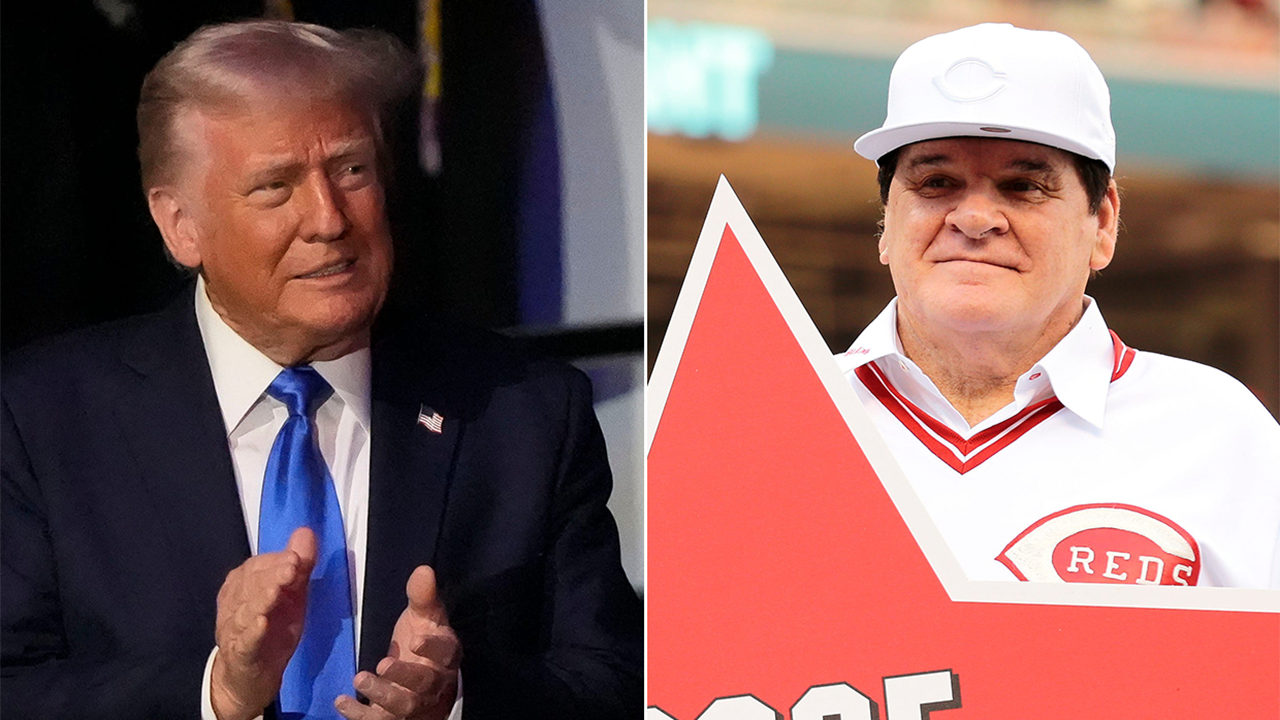
President Donald Trump argued that Pete Rose deserves Hall of Fame recognition, calling his omission a disservice to Rose’s accomplishments and stirring debate about how baseball balances punishment with achievement. This piece looks at Rose’s on-field legacy, the gambling scandal that cost him eligibility, and why some conservatives see a case for separating performance from personal mistakes.
Pete Rose is a simple story on paper: the all-time hit leader, a tireless competitor, and a fixture of baseball for decades. Those statistics are the kind conservatives point to when they argue that achievements on the field should matter. The argument isn’t about praising bad behavior, it’s about honoring undeniable performance where it belongs.
The controversy that ends careers is well known: Rose bet on baseball and accepted a permanent ineligibility ruling from Major League Baseball that kept him out of Cooperstown. That punishment reflected serious concerns about the integrity of the game. Still, many voters and fans have shifted toward a view that punishment should fit the context and allow for rehabilitation over time.
From a Republican angle, there’s a preference for clear standards but also practical fairness. If someone breaks rules and faces consequences, communities can still judge whether exclusion forever serves the public interest. Trump’s comment taps into that sense that institutions should be firm but not vindictive when the main legacy to be remembered is extraordinary performance.
Public sentiment has been mixed for years, with polls showing a sizable share of fans ready to welcome Rose’s name into the Hall. That groundswell matters because institutions exist to reflect cultural judgment, not to freeze morality in time. When a large portion of the fan base believes recognition is due, elected leaders and public voices naturally weigh in.
There is a practical side to this debate: what does accepting Rose into the Hall mean for baseball’s rules and future enforcement? Critics worry that reversing or softening exclusions could weaken deterrents against betting on games. Supporters argue that reinstating someone like Rose, with full disclosure and acknowledgment of wrongdoing, can reinforce accountability while allowing the sport to honor performance.
Another angle Republicans tend to emphasize is personal responsibility and redemption. A person who owns up to mistakes and spends decades beyond that contributing to the game and community can be seen as having paid a price. Trump’s take reflects that current, suggesting systems should permit recognition once accountability has been acknowledged and time has passed.
Major League Baseball faces a choice that will define how it balances integrity and legacy for years to come. Leaders in the sport must weigh precedent, fan sentiment, and the principles that guide punishment. Whatever the outcome, this debate forces a national conversation about how we treat achievement tied to human failing.
The bigger picture for conservatives is straightforward: celebrate excellence, enforce rules, and permit redemption when appropriate. If the goal is to preserve the game’s honor while recognizing historic achievement, thoughtful reconsideration of past penalties can be part of a fair path forward. Baseball’s storied history deserves guardians who respect both the record book and the capacity for people to change.
