
At the White House Correspondents’ Dinner a series of gunshots shattered the evening, forcing a rapid evacuation and a frightened ballroom, and yet what followed was a surprising turn toward unity from President Trump, followed days later by a state visit from King Charles that reinforced the ties between our nations as the country approaches its 250th anniversary.
The evening began as a ceremony full of the standard pomp and program, until that quiet, formal rhythm was broken by fear. I was sitting near the front table, surrounded by familiar faces and polite conversation, when the mood reversed in an instant. The sound of four distinct pops drained the room of its energy.
Secret Service agents moved like a well‑rehearsed alarm, vaulting over tables and directing people to take cover. My wife and others dropped to the floor while plates clattered and people shouted. The president and first lady were escorted off the dais as tactical teams swept the room.
Mercifully, no one was hurt and the shooter was stopped short of the big ballroom, but the shock landed hard on everyone there. That sense of vulnerability hits differently when you’re in the room and see professionals in full combat gear scanning the crowd. It’s a reminder that public life can bring real risk.
Across the country, many Americans reacted with anger and sorrow at yet another attempt on President Trump’s life, an attack that feels like part of a troubling pattern. Political violence corrodes our civic fabric and leaves citizens wondering whether basic decency still holds. A shooting at an event celebrating the First Amendment stung as a bitter irony.
President Trump could have leaned into outrage and delivered a blistering rebuke of the media that night, and plenty would have expected it. Instead, once back at the White House, he chose a different tack and pressed for a quieter, stronger civic response. That choice mattered in the moment and afterward.
He told the nation, “We have to … resolve our differences.” That line cut against the grain of expectable fury and pointed toward recovery. Words like that from a leader shift the tone in ways that commanders and columnists rarely can.
He described the ballroom as full of “Republicans, Democrats, independents, conservatives, liberals and progressives,” and he noted that “there was a tremendous amount of love and coming together. I watched … and I was very, very impressed by that.” Those impressions came from someone who knows how polarizing events can be, and yet chose to highlight unity instead.
He added that, as he left, some of his usual critics waved and offered encouragement. “Last night they were waving to me. Politicians, congressmen, senators. They were waving and saying, ‘Great going’ and ‘Hello.’ The place was just coming together. It was very nice to see.” That moment showed how quickly political posture can soften when danger reminds people of shared stakes.
He admitted candidly that “I was gonna really rip it,” but that after the shooting he would instead prepare “a speech of love.” That kind of pivot is simple but not trivial: it’s the difference between inflaming division and nudging people back toward common ground. At difficult moments, a choice like that signals leadership.
There’s a basic human drama in the decision to change course at the last minute, and the statement “I was going to say something divisive, but now I’m going to say something unifying” captures it plainly. We see the same possibility in families and workplaces when someone steps back from a punchy line and reaches instead for repair. Politics should offer the same small mercies.
Two days later, the visit from King Charles and Queen Camilla brought a calmer spectacle and a reminder that history can bind former rivals into steady partners. Their presence ahead of the nation’s 250th anniversary underscored the odd, durable friendship between the United States and the United Kingdom. It also shifted the national conversation from fear back toward fellowship.
The king, speaking to a joint session, framed that relationship in familiar, respectful terms: “So, I come here today with the highest respect for the United States Congress,” and he expressed solidarity with America after the shooting: “We stand united in our commitment to uphold democracy, to protect all our people from harm, and to salute the courage of those who daily risk their lives in the service of our countries.” He even conceded, “We can perhaps agree that we do not always agree.”
He went on, “Our two countries have always found ways to come together. And by Jove, Mr. Speaker, when we have found that way to agree, what great change is brought about—not just for the benefit of our peoples, but of all peoples. This, I believe, is the special ingredient in our relationship.” Those words landed with warmth and a generous shot of perspective.
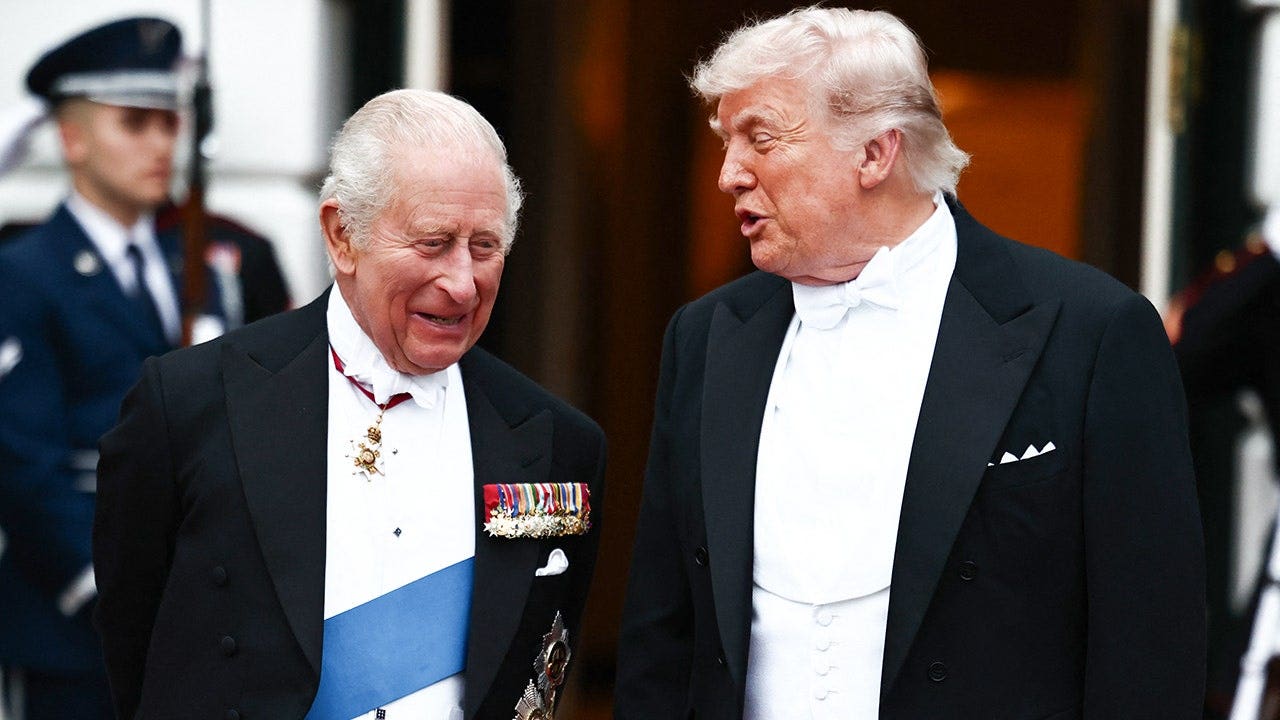
Later that night, at the state dinner, there was a moment when the president and the king exchanged a few friendly lines. He smiled and replied, “Well said. Happy 250th.” Personal gestures like that matter in diplomacy and in politics; they humanize the headlines. After music and toasts, the formal events wound down and life went on, marked by a sense that resilience had held.
