
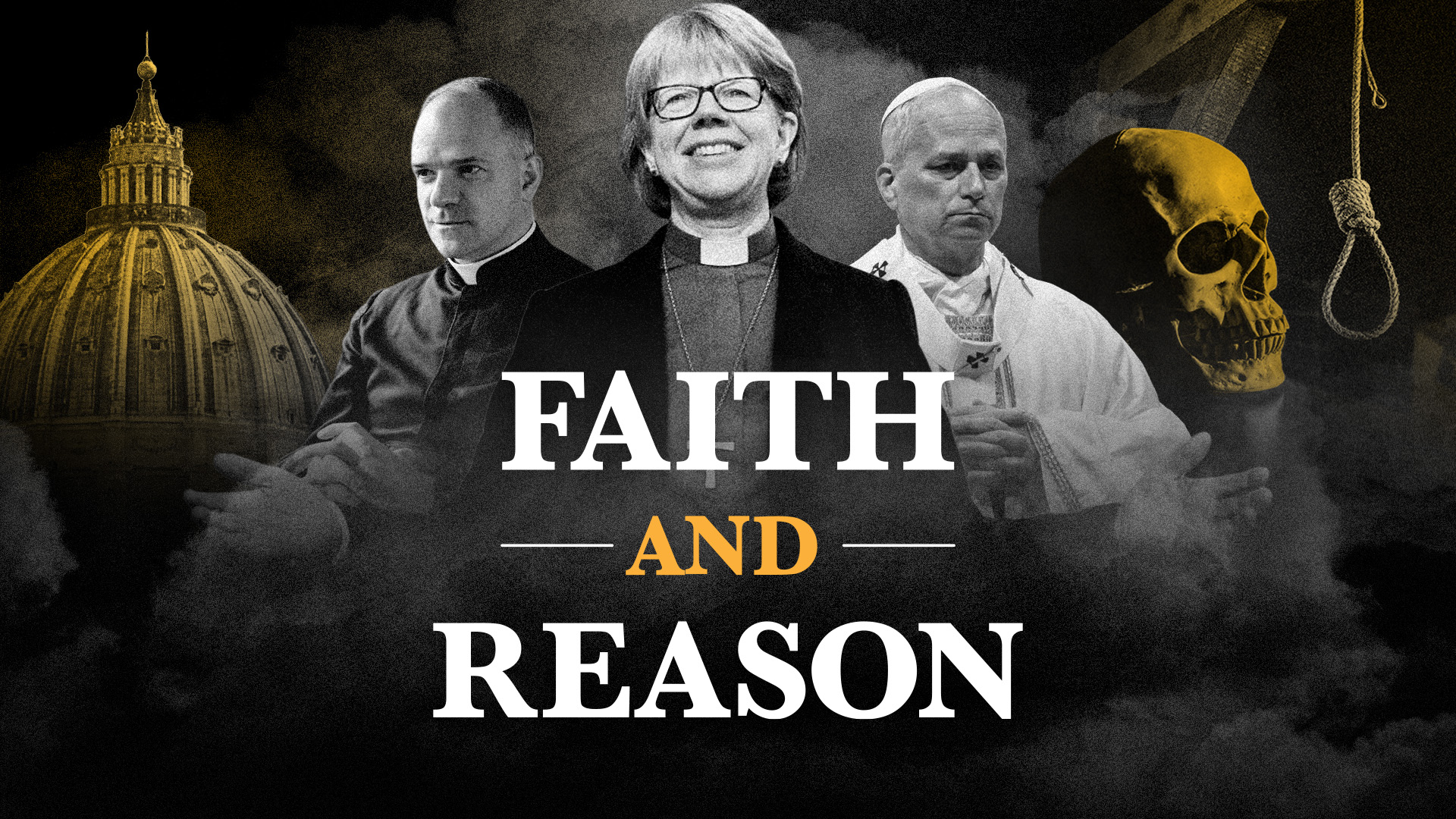
The past week in Rome has reopened tough questions about unity, authority, and direction inside the Catholic Church, with reports about possible measures involving the Society of Saint Pius X and a set of public gestures and comments stirring debate about clerical discipline and moral clarity.
News that the Vatican might take action affecting the Society of Saint Pius X has fans and critics watching closely. For many, the mere talk of consequences signals a test of how uniformly rules and expectations are applied across different groups inside the Church. That concern centers on whether discipline will be evenhanded or appear selective, which matters to Catholics who care about fairness as much as doctrine.
Alongside those reports, recent Vatican gestures toward Sarah Mullally and a number of public moral statements have raised eyebrows. Observers see these moves as more than symbolic because they touch on how authority is expressed and who receives visible signs of support. Even modest public gestures can send big signals about priorities and tone from the top.
Critics say these developments muddy doctrinal clarity and hint at a broader ideological shift in leadership. Their worry is that if messages from Rome are mixed, both clergy and laity will struggle to know what the Church teaches and expects. That uncertainty can have practical consequences for preaching, catechesis, and the formation of priests.
For priests and bishops who handle parish life day to day, mixed signals complicate pastoral work. They must balance obedience to the Vatican with the pastoral needs of their communities, and that balancing act gets harder when guidance feels inconsistent. Parishioners notice hesitation and sendbacks can erode confidence in local leadership as well as in Rome.
Traditionalist groups like the Society of Saint Pius X represent a particular challenge because they operate at the edges of canonical structures while still claiming fidelity to tradition. How the Vatican addresses their status matters for legal clarity and for the prospects of reconciliation. The choice between strict enforcement and negotiated settlement carries risks and opportunities for unity.
Any disciplinary steps also raise questions about transparency and process. Observers want clear reasons, consistent procedures, and a sense that decisions are grounded in established norms rather than shifting politics. Transparent procedures help protect the credibility of institutions and reassure the faithful that justice is not arbitrary.
Beyond canonical mechanics there is a pastoral dimension that cannot be ignored. Many Catholics are looking for clear moral teaching delivered with charity and firmness, not confusing signals. Leaders who can articulate principles clearly while showing pastoral sensitivity tend to strengthen trust among people who care deeply about doctrine and mercy alike.
Longer term, how Rome navigates these episodes will influence the Church’s internal cohesion and its public reputation. A steady, principled approach to discipline and public messaging would reduce friction and give bishops a clearer framework for action. Conversely, uneven responses risk fueling factionalism and diminishing the moral authority the Church relies on.
For now, the story remains in motion and many observers will be watching how official procedures are followed and explained. The coming weeks should reveal whether recent events lead to clarified norms or more questions about direction and consistency from the Vatican. Whatever happens, faithful Catholics and Church leaders alike will be parsing both the letter and the tone of what comes next.
