
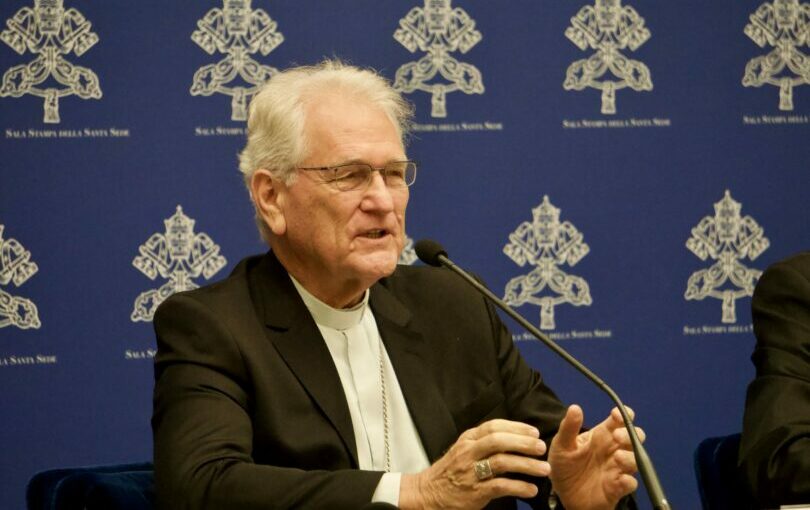
Pope Leo XIV sent a video message approving of the ‘objectives’ of the Amazonian ecclesial body as they vowed to implement Francis’ ‘deeply synodal’ plans, and this article examines what that endorsement means for the Church in the Amazon, the priorities the group has laid out, and the practical questions that now follow. The message signals alignment at the highest level with a regional effort focused on pastoral adaptation, cultural respect, and collaborative governance. This piece looks at the stated aims, the institutional context, and the likely challenges ahead without taking a polemic stance.
The Amazonian ecclesial body has presented itself as a forum to address the complex realities of the Amazon region, blending pastoral care with concerns about ecology and indigenous cultures. Their agenda maps out practical measures aimed at improving outreach in far-flung communities while pushing for inclusive processes. With a video endorsement from Pope Leo XIV, those measures gain both symbolic weight and heightened expectations.
The word “synodal” in this context is more than a buzzword; it refers to a style of Church life that prioritizes listening and shared responsibility. The group says it wants to implement Francis’ ‘deeply synodal’ plans by fostering broader participation among clergy and laity. That approach can open space for local voices, but it also raises questions about decision-making authority and doctrinal clarity in a global Church.
Ecology and indigenous rights are central to the Amazonian priorities, and those topics appear woven into pastoral strategy rather than treated as separate issues. On the ground, that could mean new pastoral practices, translated liturgies, and community-based ministry models that reflect local realities. Such changes will test the Church’s capacity to balance universal norms with legitimate local adaptations.
The direct endorsement from a pope via video carries weight because it signals papal concern without necessarily prescribing every local detail. That leaves room for bishops and local pastors to interpret the principles in ways that fit their contexts, but it also requires careful oversight to avoid fragmentation. The tension between central unity and local innovation will be a real administrative and pastoral challenge.
Practically speaking, implementing these aims will demand resources and training for clergy and lay leaders who work in remote areas. Language barriers, logistical hurdles, and differing cultural expectations mean that pastoral plans must be realistic and long-term. Success will hinge on sustained support rather than one-off initiatives or symbolic gestures.
Civil society and governments in the Amazon basin are likely to watch these developments closely, seeing potential allies or critics depending on how Church action aligns with environmental and social agendas. That can expand the Church’s influence in public life, but it also exposes ecclesial efforts to political scrutiny and competing interests. Maintaining a focus on pastoral care will be essential to keep the Church’s mission clear.
The embrace of synodality and the explicit backing of Pope Leo XIV mark a strategic moment for the Church’s presence in the Amazon. Moving from statements and ceremonies to concrete, accountable actions is the next crucial step, and how that happens will shape perceptions for years. The Church’s ability to navigate cultural sensitivity, doctrinal continuity, and effective pastoral outreach will determine whether these pledges become lasting progress or temporary rhetoric.
