
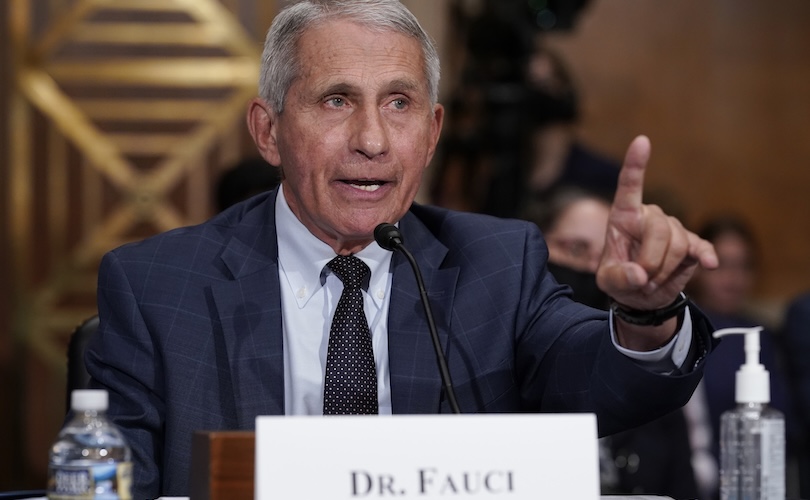
David Morens, who advised Dr. Anthony Fauci for years, has been charged in a federal indictment that accuses him of participating in a COVID-era coverup and falsifying records. The allegations include conspiracy against the United States and destruction or alteration of documents tied to federal investigations. This development raises fresh questions about accountability, scientific gatekeeping, and how public health decisions were communicated during the pandemic.
The indictment paints a picture of a high-level insider allegedly involved in steering narratives and handling paperwork to protect a particular line of thinking. From a Republican perspective, this looks like the kind of institutional self-preservation we’ve warned about: experts insulated from scrutiny and networks that prioritize reputation over truth. Those concerns matter because government trust depends on transparency, not protectionism for elite advisers.
Public health decisions during the pandemic carried huge costs for ordinary Americans, from shuttered businesses to disrupted education. When advisers are accused of concealing information or skewing the record, it amplifies already valid suspicions that the system favored a narrow set of voices. Accountability isn’t partisan theater; it’s the necessary check on those who wield influence over millions of lives and livelihoods.
Legal counts like conspiracy against the United States and falsifying records are serious on their face, and they are meant to signal that alleged misconduct crosses from error into criminal behavior. Republicans typically push for clear consequences when officials break the trust placed in them by the public. That includes thorough investigations and prosecutions when warranted, so institutions learn the lesson that no one is above the law.
The case also forces a broader debate about scientific debate itself and who decides which ideas are permitted in public conversation. During COVID, many voices were sidelined or labeled as misinformation, sometimes with little room for legitimate dissent. A healthy scientific environment tolerates vigorous challenge and transparency, not gatekeeping that looks like suppression.
We should also consider how federal investigations handle records and communications. If records are altered or destroyed, reconstructing the truth becomes much harder and justice becomes less likely. For taxpayers and families who suffered through the pandemic, clarity about decisions and honest records are essential to preventing future mistakes and to restoring confidence in public institutions.
Political leaders have a duty to demand answers and ensure that investigations proceed without political interference. Republicans generally argue that letting crimes go unpunished because the accused are well-connected sets a dangerous precedent. The rule of law must be applied evenly, whether the person under scrutiny served in government clinics, in advisory roles, or anywhere else.
This indictment will likely trigger intense legal battles and a prolonged public debate, and both are necessary for a functioning democracy. The courts will weigh evidence and determine guilt or innocence, and the process should be allowed to play out without premature verdicts handed down in the court of public opinion. Still, the initial charges alone underscore the need for institutional reforms around transparency and record-keeping.
For voters concerned about the integrity of public health advice, this announcement is a reminder to push for reforms that increase oversight and protect dissenting research. Policies that encourage open data, independent audits, and clear chains of custody for records would reduce the chances of similar controversies down the road. Those practical changes matter more than partisan noise because they rebuild trust through better systems.
The scandal surrounding a former senior adviser is not just about one individual; it asks whether the structures that guided pandemic policy were resilient to error and honest about uncertainty. Republicans will argue that a culture of accountability and skepticism, not reverence for expertise, is the right path forward. If this case leads to more openness and stronger safeguards, that would be a necessary outcome from a difficult situation.
