
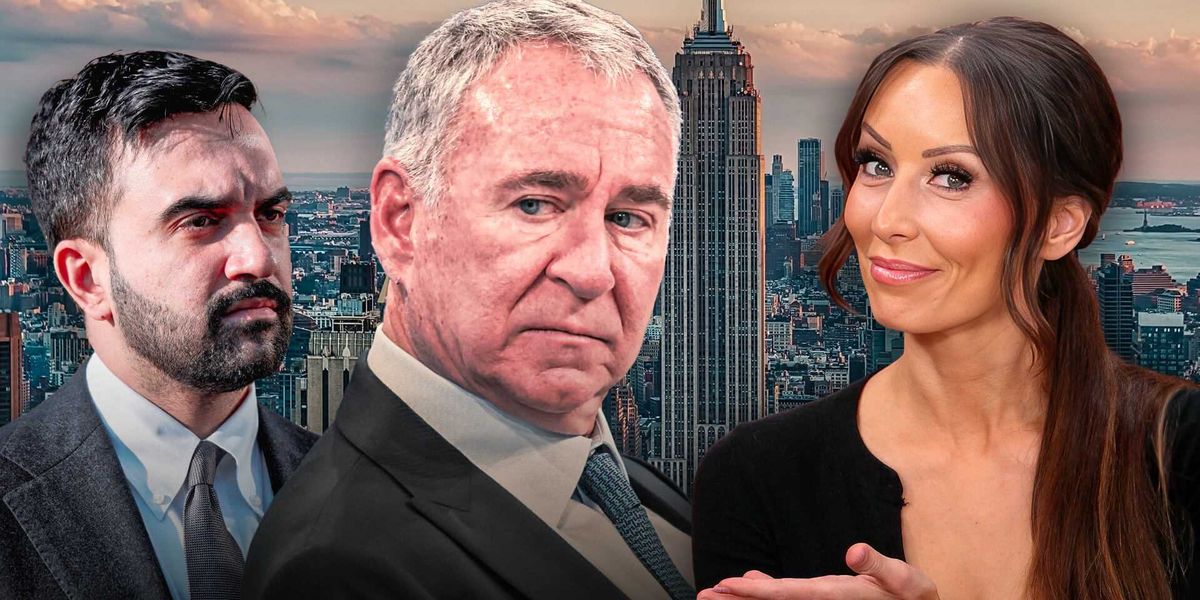
New York City’s new mayor, Zohran Mamdani, rolled out a headline-grabbing pied-a-terre tax aimed at luxury properties, and the fallout is already playing out in public — with wealthy investors openly reconsidering big commitments to the city. This piece walks through the mayor’s announcement, the blistering reaction from financial heavyweights, and why short-term political theater can cost a city long-term jobs and projects.
Mamdani pushed the tax in a promotional video where he announced a new annual fee for high-end homes owned by non–full-time residents. “When I ran for mayor, I said I was going to tax the rich. Well, today, we’re taxing the rich. I’m thrilled to announce we’ve secured a pied-a-terre tax, the first in New York’s history. This is an annual fee on luxury properties worth more than $5 million whose owners do not live full-time in the city,” he said, framing the move as a fulfillment of a campaign promise.
Sara Gonzales called the response predictable, arguing that the city’s tone-deaf targeting of wealthy residents would provoke a backlash from people who actually pay for development and jobs. “They’re not going to just sit there and take it. They’re going to do something about that. What do you think these millionaires that don’t even live there full-time are going to do?” she asks, noting the obvious risk of chasing away capital that fuels new construction and local hiring.
The coverage didn’t stop at policy details; Mamdani also called out the location of a high-profile apartment, and that move pushed a major investor into the headlines. And they’re not happy, especially billionaire Ken Griffin, whose New York presence has been one of the city’s big private-sector success stories in recent years.
Gonzales pointed out how public naming can escalate things, repeating verbatim the moment that sparked the tension. “I don’t think this should come as a shock to anyone. He wasn’t very happy about being name-checked in this little, you know, ad. And so, Ken Griffin now is pushing back after Mamdani featured … his $238 million penthouse in the tax-the-rich video,” she explains, calling attention to how singling out individuals can sour already fragile relationships.
The reaction from Citadel’s leadership hinted at real consequences for planned work and investment in New York City, with a senior executive apparently signaling a re-evaluation of future commitments. “Because you see, as the story goes, he was planning on investing $6 billion into a development project. And now he’s like, ‘You know what? I don’t know if I want to do that. I don’t know if I want to continue investing my money in a city that just wants to tax me into oblivion,’” Gonzales reported, relaying the kind of language that spooks builders, contractors, and municipal planners alike.
There’s a blunt realism in the pushback that’s worth noting: people who move capital around don’t react to virtue signaling the way campaign Twitter does. “Who could have possibly predicted that that would be the final result of Zohran Mamdani just trying to get the rich to pay for all of his free stuff, which as we know isn’t even free? So, things are not going well on that front,” Gonzales said, underlining the predictable outcome of a policy framed as punitive rather than productive.
The practical fallout is straightforward: canceled or delayed projects mean fewer construction jobs, slower economic activity, and lower tax receipts over time. When billionaires and major firms start publicly rethinking multi-billion-dollar investments, the ripple effects hit small businesses, unions, and the city budget that politicians claim they want to shore up.
From a conservative perspective, this is basic economics playacting as progressivism — trading actual investment and employment for political theater. Leaders who target specific groups for punishment risk hollowing out the base of taxpayers and employers who keep a city competitive, especially in an era where capital is mobile and choices about where to build are national and global.
New York’s momentum depends on stable, predictable policy that attracts rather than repels investment, and stunts that single out individuals invite exactly the opposite. The coming weeks will show whether Mamdani doubles down on the spectacle or takes a more pragmatic path that protects jobs and growth while seeking revenue in less corrosive ways.
