
By OBBM Network Editorial Staff
Zach Rateliff
The Southern Poverty Law Center, an organization renowned for identifying and challenging hate groups, stands accused of funding the very entities it condemns. This unexpected revelation has stirred significant debate and raises questions about accountability and transparency within advocacy groups.
Unraveling the Allegations
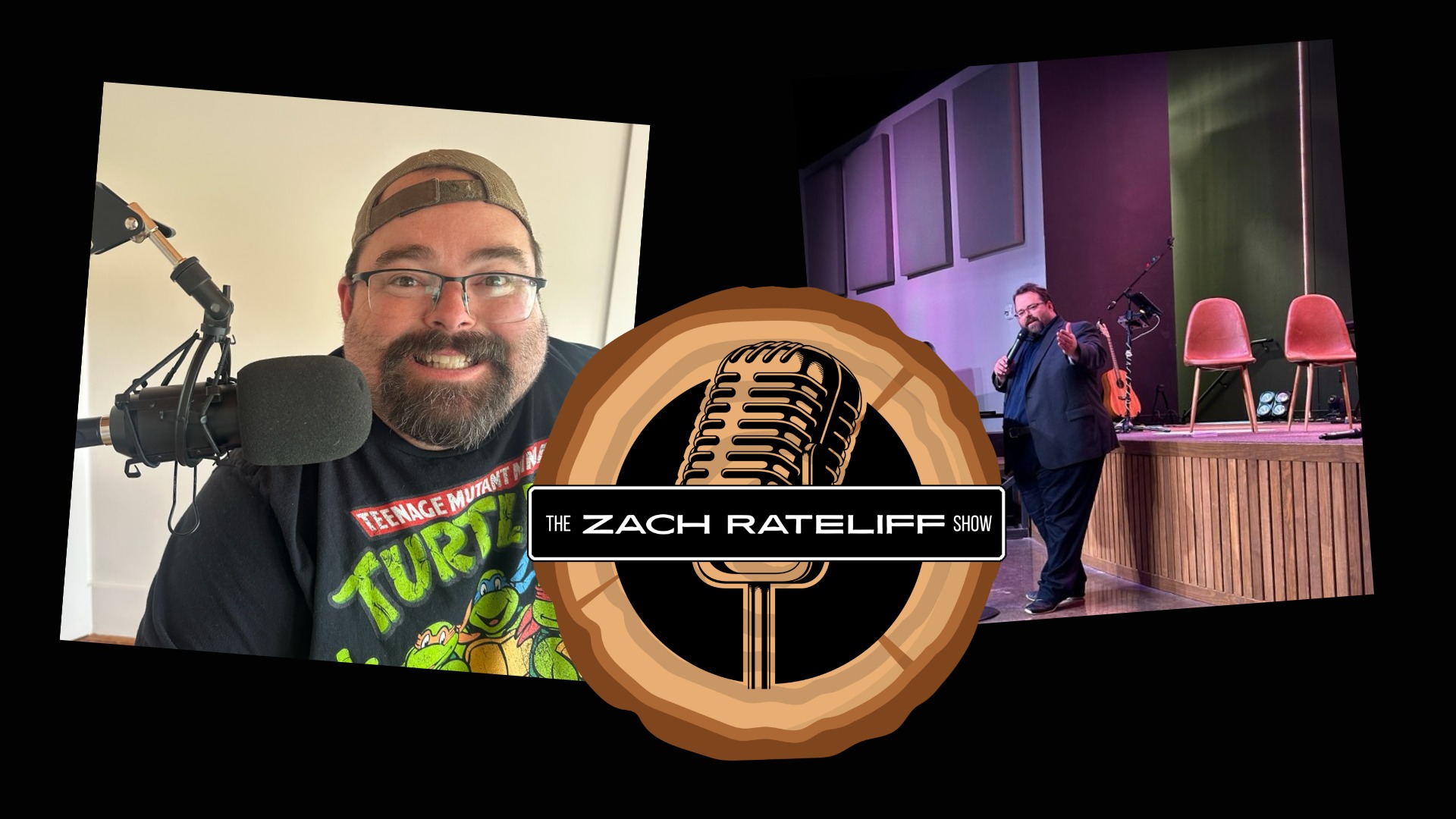
In a recent discussion on The Zach Rateliff Show, Zach Rateliff, alongside Steve Oglesby and Matthew Anderson, explored these allegations against the Southern Poverty Law Center. The conversation centered on the claim that the SPLC has been financially supporting groups like the Ku Klux Klan, which they publicly denounce. This contradiction poses a serious question about whether the SPLC’s actions align with its stated mission of combating hate and discrimination.
According to the show’s discussion, the SPLC is allegedly maintaining its relevance by sustaining the very hate it claims to fight. “The Southern Poverty Law Center who is quoted by the leftist woke media all the time is funding the KKK,” stated one of the guests, highlighting the paradox at hand.
The Broader Implications
The allegations against the SPLC hold significant implications for how advocacy organizations operate. If true, they suggest a strategy where the maintenance of societal divisions benefits the organization’s financial and social standing. This scenario leads to a broader inquiry into the ethical responsibilities of such groups and whether their actions genuinely serve their proclaimed objectives.
During the show, the hosts and guests examined the potential ramifications on public trust. They questioned whether the SPLC’s actions could undermine the credibility of advocacy groups and erode public confidence in organizations that are supposed to champion justice and equality.
Media’s Role in Shaping Perception
The episode didn’t shy away from discussing the media’s role in amplifying the SPLC’s narratives. The SPLC has often been cited by media outlets as a credible authority on hate groups. However, the recent allegations call into question the reliability of such citations and the media’s responsibility in verifying the integrity of its sources.
As the discussion unfolded, it became clear that media influence is pivotal in shaping public perception. The hosts emphasized the need for media outlets to scrutinize their sources more rigorously to avoid perpetuating potentially misleading narratives.
Community Impact and Future Considerations
On a community level, the SPLC’s situation serves as a catalyst for discussion about civic engagement and vigilance. The hosts encouraged listeners to critically evaluate the actions of organizations that claim to represent the public good and to hold them accountable for their actions.
Furthermore, the episode highlighted the importance of fostering open dialogues within communities to address complex issues such as race, equality, and justice. By engaging in these conversations, citizens can contribute to a more informed and cohesive society.
Conclusion
The allegations against the Southern Poverty Law Center open a critical dialogue about the integrity of advocacy groups in modern society. As organizations navigate the challenges of maintaining their missions while facing scrutiny, transparency and accountability remain paramount. The discussion on The Zach Rateliff Show underscores the need for continuous monitoring and evaluation of those who hold influential positions in shaping public discourse.
The full episode of The Zach Rateliff Show is available on OBBM Network TV.
Watch The Zach Rateliff Show on OBBM Network TV: https://www.obbmnetwork.tv/series/the-zach-rateliff-show-208019
