
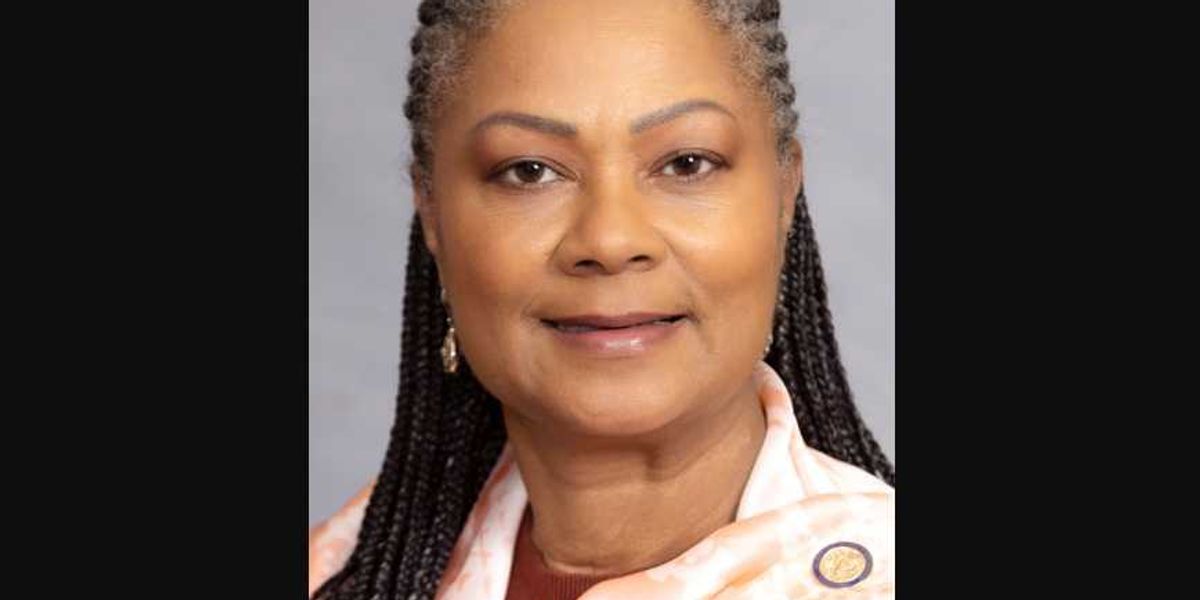
State Rep. Carla Cunningham has quietly shifted off the Democratic rolls after voting with Republicans on immigration enforcement, saying she wants to serve people rather than a party. Her unaffiliated registration followed a heated floor speech about immigration and culture that drew sharp criticism and accusations. She later lost her Democratic primary and has faced alleged threats tied to her vote, leaving her political future uncertain.
Cunningham had been a Democratic officeholder since winning the 106th seat in 2012, but she recently confirmed she “came to realize” that she wants “to serve the people, not a party.” That decision to change her voter registration to UNA came after a particularly public clash over immigration policy and how lawmakers should prioritize American citizens. Her move signals a break from strict party loyalty toward a practical, voter-first stance.
In July she delivered a blunt speech on the House floor that put constituents first and made many in her own party uncomfortable. She said plainly, “If you ask me to line up behind another group of people to raise awareness about their plight, I unapologetically say no.” Those words made clear she was rejecting pressure to treat every political or identity-driven demand as equal to the needs of residents in her district.
Her remarks continued with a call for practical change: “It’s time to wake up. We must establish new rules to address a distinct type of migration that we are facing in our country, state, and cities. It’s time to turn the conveyor belt off,” she said, arguing the state needs new controls rather than open-ended tolerance. During the speech she also stated, “All cultures are not equal,” a line that generated predictable outrage from opponents and applause from backers who want cultural integration emphasized.
That same month Cunningham crossed party lines and voted with Republicans to override the governor’s veto on the Criminal Illegal Alien Enforcement Act, even though her vote was not required for the override to succeed. The House and Senate passed the override by comfortable margins, underscoring bipartisan concern in Raleigh about how to handle illegal immigration. Her vote looked like principle over party, and that choice has consequences in primary politics.
After the vote, Cunningham says she endured harsh backlash inside and outside the legislature. “Yes, I was degraded for my vote. Yes, I was called racist for my vote. And yes, I was said I was trash,” she told colleagues during her floor remarks, describing a personal toll that followed her stand. Those are strong words from a veteran lawmaker who felt the need to defend herself against character attacks.
She also raised alarms about a troubling interaction with Mecklenburg County Sheriff Garry McFadden, claiming he warned her in a phone call that people might “come after” her if she supported the override. Cunningham said McFadden told her, “I don’t want to see you get hurt; you live in my county,” a line she understood as a veiled threat rather than simple concern. That allegation led to a petition seeking his removal, even as he moved on to re-election success in the Democratic primary.
Politically, the fallout was immediate. Cunningham lost her Democratic primary after seven terms, falling to Rev. Rodney Sadler, who captured roughly 70 percent of the primary vote and will effectively take the seat in November with no major opposition. With no Republican or independent challengers filed for the general election, her district will get a new representative while voters digest the consequences of her break with party orthodoxy.
Cunningham’s office did not respond when asked whether she is considering another run for office as an independent or under a new party banner. For now she remains unaffiliated and publicly unapologetic about voting her conscience and siding with stronger enforcement. The move leaves a clear message that at least some elected officials are willing to leave party lines behind when they believe constituents must come first.
