
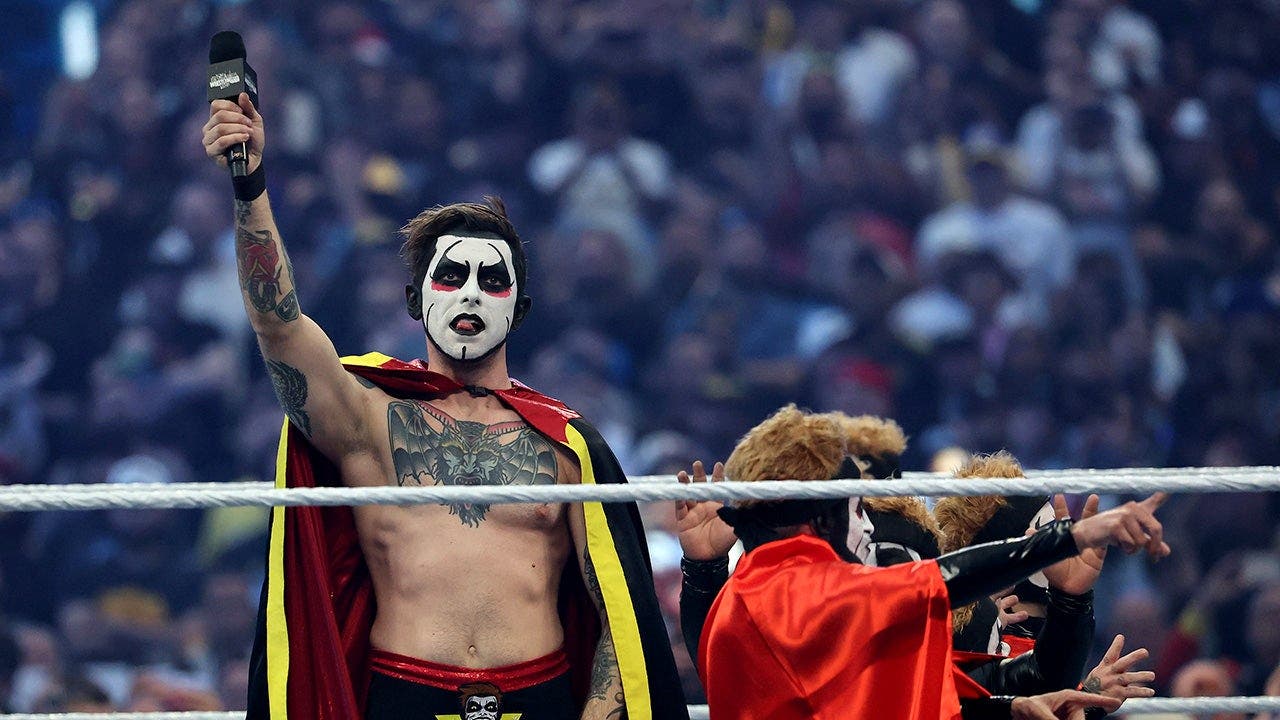
Booker T’s recent take on Danhausen highlights how a single, distinct character can reshape attention and revenue in modern wrestling, turning an oddball persona into a mainstream asset that promoters and fans both chase. The discussion looks at why Danhausen works as a performer and a brand, and how that combination matters to the wider business. This piece explores the character’s rise, marketing power, crowd pull, and what it signals for wrestling’s future.
“WWE Hall of Famer Booker T says Danhausen proved doubters wrong, becoming a “marketing machine” and must-have character for the wrestling business.” That line cuts to the chase: this is less about in-ring stats and more about cultural momentum. Booker T framed Danhausen as a proven commodity, not just a quirky act.
Danhausen’s appeal is obvious on the surface: a spooky, comedic persona with a memorable look and catchphrases. But the real strength is consistency—every appearance reinforces the brand and gives fans a predictable thrill. That predictability is gold for promoters who need reliable reactions.
Merchandise sales and social media buzz are where the label “marketing machine” earns its stripes. Danhausen’s face, voice, and mannerisms translate cleanly to shirts, stickers, and clips that fans share. When a character becomes content-ready, the promotion benefits without heavy creative investment.
Part of the success lies in accessibility; he’s easy to explain and easy to love or mock, which both count as attention. Casual viewers can grasp the joke in seconds, while hardcore fans enjoy the layers and callbacks. That dual reach makes him valuable on television and at live events.
Booker T’s endorsement matters because he speaks from experience—he knows which acts can be elevated into long-term fixtures. When a respected veteran says someone is a “must-have,” offices pay attention and booking choices shift. That ripple effect can change match cards and promotional priorities almost overnight.
For wrestlers and creatives, Danhausen is a reminder that persona and marketing matter as much as style and results. In an era where clips go viral and impressions win fans, character work that clicks can outpace pure athleticism. Wrestling’s business side rewards recognizability and repeatable moments.
There are creative challenges too: once a gimmick is monetized, overexposure becomes a real risk. The trick is to keep the character fresh while protecting what made it special. Smart booking uses the character sparingly and in ways that amplify, rather than dilute, fan excitement.
Promoters also benefit from the flexibility a character like Danhausen provides for cross-promotion. Short segments, social media tie-ins, and guest appearances create new revenue streams and publicity windows. That versatility makes him an attractive asset for partnerships beyond the weekly program.
Fan engagement is another piece of the puzzle; devoted followings turn single moments into long-term trends. Danhausen’s fans create memes, cosplay, and chant along at shows, making him part of the live experience. Promoters who notice and lean into that energy see direct returns in ticket sales and atmosphere.
Looking at the roster landscape, characters with strong branding change how talent is developed and showcased. Wrestling companies now scout for portability—how a character plays on camera, in merchandise, and in short-form clips. That shift changes creative priorities, pushing some performers toward more theatrical work.
Ultimately, Booker T’s assessment is a nudge to decision-makers: invest in what the audience already loves. Characters that capture the moment can be nurtured into multi-platform stars with relatively low risk. For wrestling, that means the next breakout might be less about moves and more about a voice, a look, and a clever hook.
