
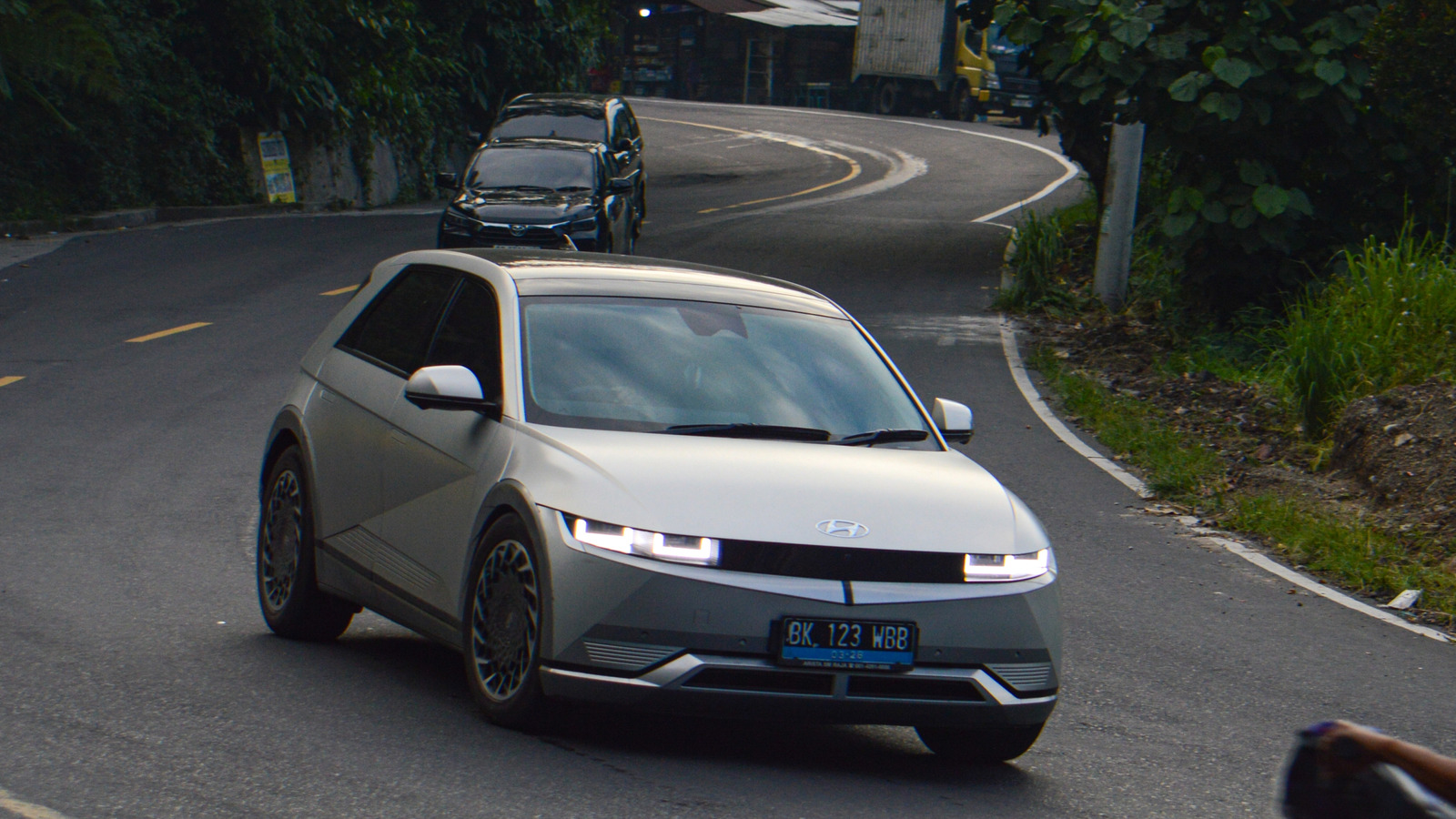
The Insurance Institute for Highway Safety put its spotlight on crashworthiness and collision avoidance this year, and Hyundai stepped into that light with seven models named among the institute’s top picks for 2026. This outcome reflects rigorous testing procedures and signals to shoppers that safety remains a measurable priority in a world of growing vehicle complexity. The piece looks at what those test results mean, how the IIHS evaluates cars, and why a strong showing matters for drivers and the industry alike.
The IIHS bases its rankings on a mix of crash tests and safety technology performance, not marketing claims or optional extras. Vehicles are pressed through frontal, side, roof strength, and small overlap impacts, while headlights and other real-world features also get graded. That testing creates clear thresholds for recognition and gives consumers a standardized way to compare safety across brands.
Hyundai’s presence with seven top picks is more than a press line; it’s a measurable reflection of engineering choices and corporate priorities. Automakers don’t earn these designations by accident—consistent safety performance across multiple models typically comes from prioritized development, parts selection, and ongoing validation. For buyers, a brand that regularly appears on top pick lists reduces the guesswork when safety is a deciding factor.
Modern vehicles combine passive protections like structural integrity and airbags with active systems such as automatic emergency braking and lane-keeping aids. The IIHS takes both hands-on crash outcomes and the effectiveness of preventive technology into account, so a top pick needs to perform well in both arenas. That dual focus pushes manufacturers to integrate features that help avoid a crash and to protect occupants if a crash is unavoidable.
For shoppers, these awards provide a snapshot of device-level safety and real-world performance translated into accessible labels. That matters because safety is often an emotional and financial decision: people want their families protected, and accident outcomes influence insurance costs and long-term ownership experience. A car carrying an IIHS top pick tag becomes a stronger negotiating point in the purchase process and a clearer option on comparison charts.
Industry-wide, consistent recognition of particular brands nudges competitors to catch up, which raises the overall safety baseline. When multiple models from one manufacturer score well, it signals that safety engineering is embedded into product planning rather than treated as a last-minute add-on. That kind of competition benefits drivers by accelerating the adoption of proven safety tech across more affordable segments of the market.
There’s also a practical side to the ranking: repairability and lighting performance can swing ratings, and those are real-world concerns. Well-designed headlights that keep a driver’s line of sight clear at night and structures that limit cabin intrusion are not glamorous, but they save lives. The IIHS highlights these details so consumers can consider them alongside fuel economy, cargo capacity, and infotainment features.
Ultimately, a top pick list does not promise perfection, but it does offer evidence that a vehicle meets high, independently tested standards. For drivers weighing options in 2026, seeing seven entries from Hyundai on that list serves as a shorthand for reliability in safety metrics. Buyers should still check specific trim and equipment levels because safety systems can vary by configuration, but the overall message is straightforward: measured performance on tough tests matters when selecting a car.
