
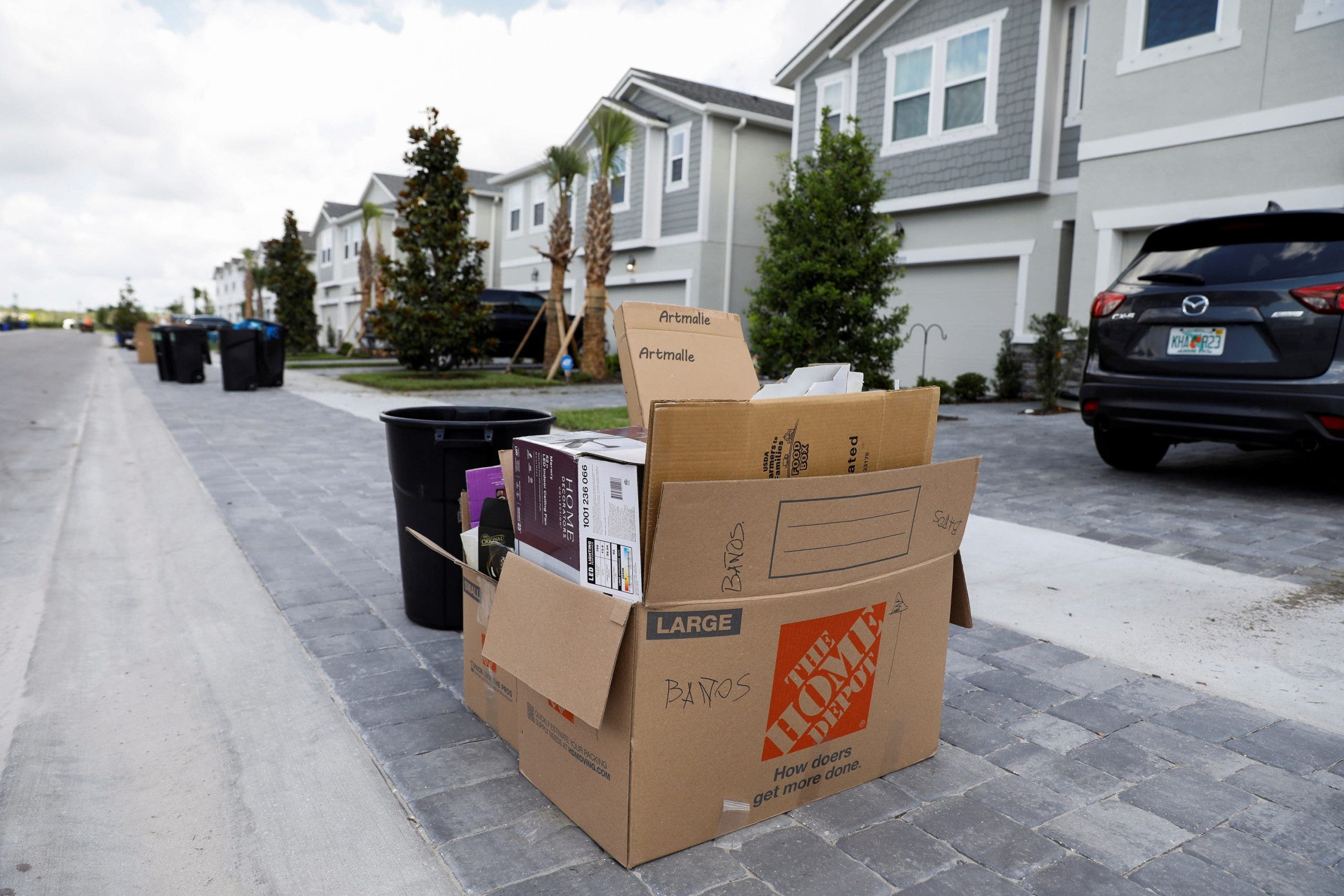
People and money are moving across the country, and this migration is reshaping where prosperity lives. The Boom Belt — states like Texas, Florida, Georgia, Tennessee, North Carolina and Arizona — is pulling in talent, businesses and retirees, while high-tax coastal states are losing the very taxpayers who fund big government programs. Remote work and tax incentives make moving practical, and the result is a quiet but decisive economic shift that will affect politics, budgets and business strategy for years to come.
Look at the map and you get the story. For families and business owners alike, the arithmetic of take-home pay and cost of living now beats loyalty to a particular state flag. People who can work anywhere are choosing places that let them keep more of what they earn and give them a better daily life.
TEXAS EMERGES AS THE TOP DESTINATION FOR COMPANIES LEAVING BLUE STATES perfectly captures one trend: companies chasing predictable regulation and lower tax bills. Corporations are following executives and employees south and west, setting up headquarters where policy is friendlier to growth. That doesn’t just boost local job counts; it shifts corporate headquarters, investment and long-term tax receipts.
High earners leaving California, New York and Illinois aren’t anonymous numbers. They are entrepreneurs, senior executives and retirees with sizable assets. When they move, they take taxable income, capital gains events and spending power with them, leaving budget gaps that are hard to plug without changing the economic model.
NEW YORK’S HOCHUL DROVE ME TO FLORIDA — NOW SHE’S BEGGING ME TO RETURN. NOT HAPPENING is the kind of reaction you see when policy choices push people away. It’s not just a political complaint; it’s a financial decision. The choice is often clear: keep more of what you earn or accept higher levies for services that may not keep pace with expectations.
Blue states argue their taxes fund infrastructure, schools and services, and to some degree that’s true. The problem is retention: if the best taxpayers depart, the revenue base erodes, forcing either deeper cuts or tax hikes that drive more people away. That feedback loop is quietly reshaping state budgets and political calculations.
TRUMP’S IMMIGRATION RESET IS LIFTING WAGES AND FORCING REAL ECONOMIC REFORM and PRESIDENT TRUMP IS MAKING SUMMER VACATIONS GREAT AGAIN are bold takes on policy effects, but the underlying point is practical. When policy favors hiring and wage growth, workers have choices. That gives states a new lever: compete on cost of living and opportunity, not just slogans.
Remote work accelerated a trend that was already gathering strength. Jobs that used to be tied to coastal campuses can now be done from anywhere, turning cities into optional rather than mandatory locations. States that make it affordable and pleasant to live are winning talent regardless of traditional industry clusters.
LIZ PEEK: WHY EVERY ‘AFFORDABLE’ PROMISE FROM DEMOCRATS ENDS UP COSTING YOU MORE and TRUMP TURBOCHARGES US ECONOMIC COMEBACK AS SOCIALISM KEEPS FAILING WORLDWIDE reflect a wider debate about the costs of big-government promises. For many movers, the choice is simple: a lower tax bill and a better quality of life beat costly social experiments that squeeze disposable income. That incentive is powerful and measurable.
States in the Boom Belt sell a straightforward offer: lower taxes, less red tape and an experience that stretches a paycheck further. Cities in North Carolina and Tennessee, for example, are positioning themselves as places where you can build wealth faster and enjoy life more. That proposition attracts not only workers but company headquarters and investment capital.
TAX AND RUN: HOW NY AND CALIFORNIA ARE BLEEDING PEOPLE AND PROSPERITY and NYC LOST HIGH EARNERS AND BILLIONS IN INCOME, WITH MIGRANTS REVERSING POPULATION DECLINE: REPORT are blunt summaries of a retention problem, not just a growth one. Blue states still produce exceptional wealth, but keeping it requires policy choices that align incentives with outcomes. Until they do, the migration toward friendlier tax and regulatory climates looks set to continue.
ARKANSAS TOPS THE LIST OF MOST POPULAR PLACES TO MOVE IN 2024: STUDY highlights that surprising winners can emerge when they offer stability, affordability and a pro-growth environment. The lesson for leaders everywhere is clear: make it easier for people to earn, keep and grow money, and they will vote with their feet and their wallets. That movement, more than rhetoric, will determine which states thrive.
