
President Donald Trump’s surprise decision to extend a ceasefire with Iran “until Tehran’s leaders can come up with a unified proposal.” has frozen a tense moment into an open-ended pause, even as hardline elements in Tehran answered with seizures, missile displays and threats to Gulf energy infrastructure. American forces delivered precision blows and showed capability, but the strategic picture is muddled when the Islamic Revolutionary Guard Corps treats pauses as opportunities. This piece explains what the extension bought, what Iran’s response reveals, and why Washington faces a difficult squeeze between military pressure and diplomatic ambiguity.
The U.S. military, across naval and air operations, executed with professionalism and effectiveness. Sailors and aviators operated in tight, dangerous spaces and struck targets across weeks of conflict, imposing real costs on Iran’s networks. That performance matters and reflects back on American resolve.
But battlefield success does not guarantee a lasting political settlement. Iran’s Revolutionary Guard has its own agenda and treats ceasefires as breathing space to reset and rearm. The events around the Strait of Hormuz after the extension made plain what that looks like in practice.
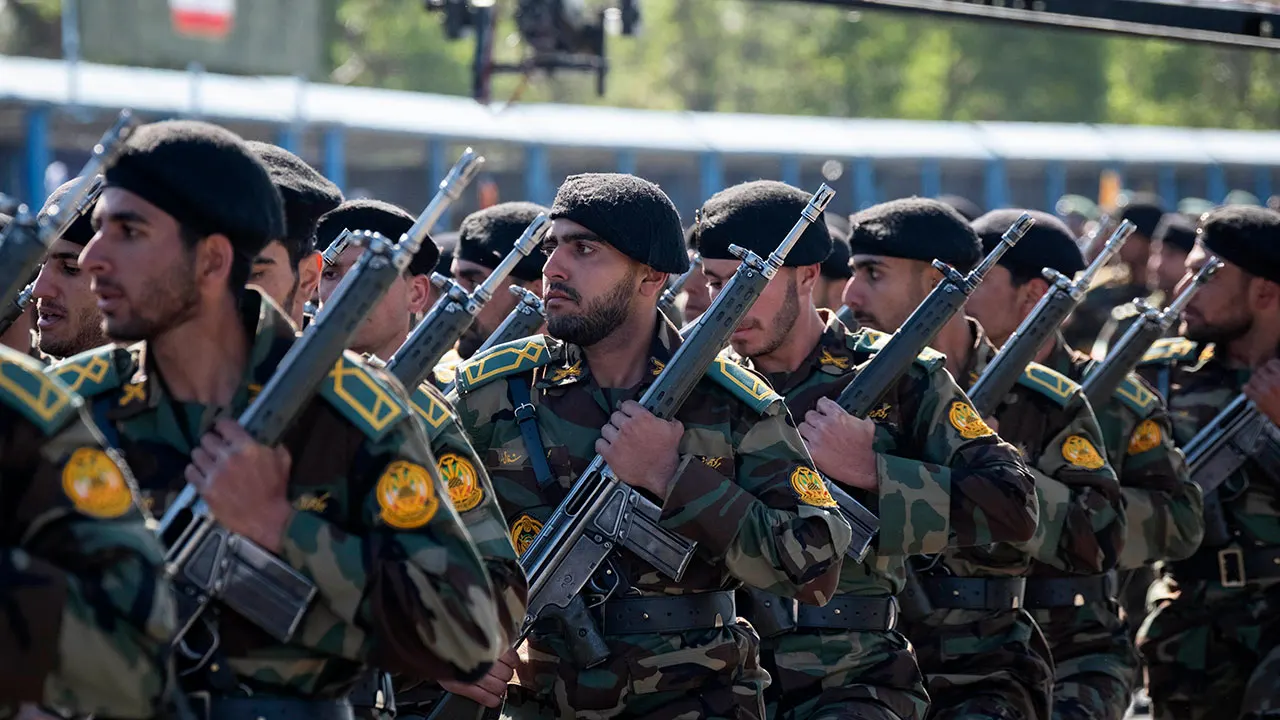
On the IRGC’s founding anniversary, Tehran chose spectacle over compromise. Forces seized the MSC Francesca and the Epaminodes, claiming navigation violations, while state media paraded missiles and commanders issued stark warnings to neighbors. The IRGC declared it was “at the peak of readiness” and vowed it would “inflict crushing blows beyond the enemy’s imagination on their remaining assets in the region.” Those are not words aimed at smiling negotiators.
Mahdi Mohammadi, speaking for a civilian faction, dismissed the White House move as “has no meaning” and said “the continuation of the blockade is no different from bombing.” That blunt language captures a deeper split inside Iran: technocratic ministers seeking relief, and the IRGC insisting on confrontation. Any agreement signed by Tehran’s diplomats will be fragile if the Guard refuses to play along.
The blockade is the blunt instrument Washington chose to keep pressure on Tehran. It has an obvious logic: squeeze the regime’s finances and starve its leverage. But the blockade also hands hardliners an excuse to walk away from talks, letting the IRGC claim victimhood and justify escalation without changing its calculus.
This paradox is dangerous. Lifting pressure rewards the IRGC without getting real concessions. Keeping pressure gives Tehran a ready-made grievance and a pretext to sit out negotiations. An open-ended extension with no deadline amplifies that trap by removing the deadline that forces decisions.
Washington must reckon with what negotiating with a divided Tehran really means. The IRGC controls key instruments of power: shipping in the Strait, missile forces, and a network of proxies from Iraq to Lebanon. A deal that sidesteps the Guard’s interests will be paper-thin the moment it faces enforcement tests.
The choice for U.S. policymakers is not between military action and negotiation; it is between smart leverage and accidental reward. The United States plainly has leverage—naval superiority, precision strike capability, and the means to tighten economic pressure. The question is whether Washington will translate advantage into a verifiable arrangement that constrains the IRGC rather than simply pauses fighting.
President Trump acted and his order imposed costs on Tehran; that is undeniable and worth acknowledging. But extending a pause without a clear timeline hands the initiative to Iran’s hardliners and risks turning tactical gains into strategic stalemate. If the goal is a durable settlement, pressure must be matched with a plan that confronts how power is actually exercised inside Iran.

1 Comment
“Forces seized the MSC Francesca and the Epaminodes, claiming navigation violations….” Iranian forces “seized?” America has deployed practically its entire floating armada into that region, and YET, someone, let alone the reported DESTROYED Iranian navy, can SEIZE ships without DETECTION? In my old, but not yet senile, military mind, that calls for ‘HEADS TO ROLL!’ As John Stossel would say, “GIVE ME A BREAK.”