
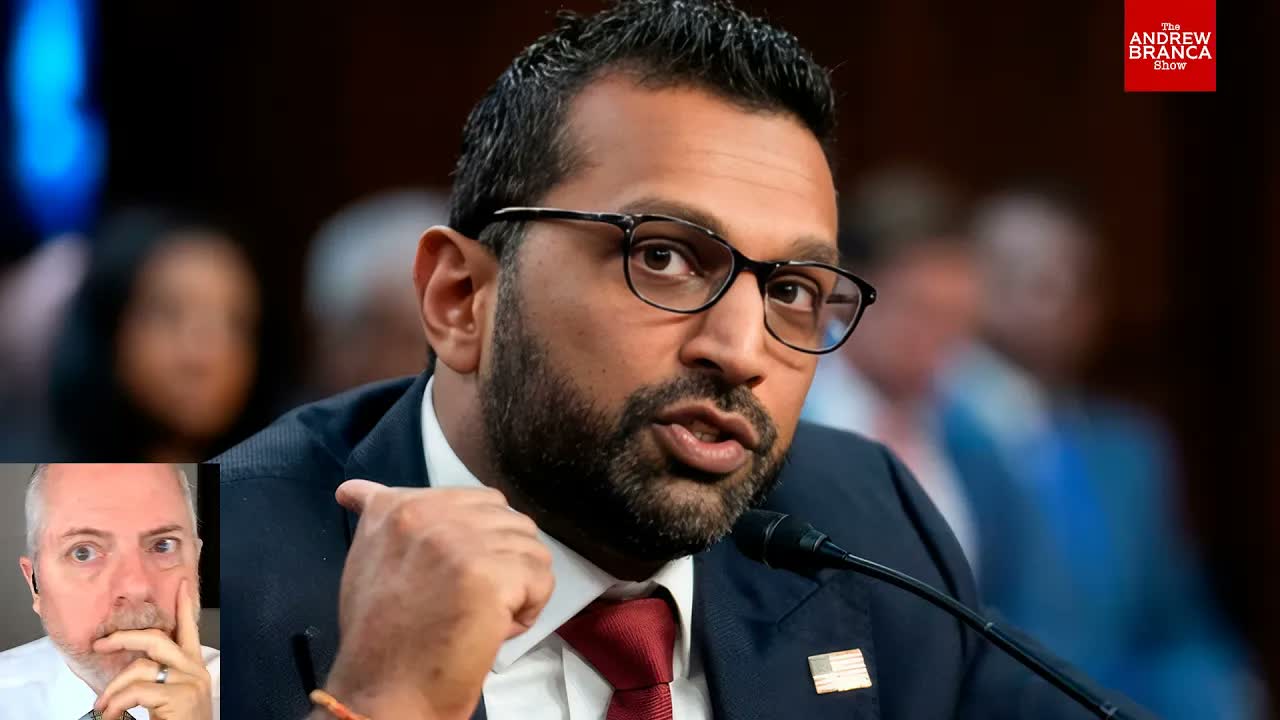
By OBBM Network Editorial Staff
Derived from an episode of The Andrew Branca Show.
When public figures face the scrutiny of the media, is it a pursuit of truth or an attack on character? Kash Patel, once a prominent figure within the FBI, finds himself at the heart of such a controversy. His defamation lawsuit against The Atlantic raises critical questions about media accountability and the fine line between investigative journalism and character assassination.
The Defamation Dilemma
The legal battle began when The Atlantic published an article alleging that Patel’s drinking habits were compromising his leadership at the FBI. According to the publication, more than two dozen anonymous sources deemed his behavior a national security liability. In response, Patel and his legal team, Binnell Law Group, have labeled these claims as categorically false, emphasizing the absence of named sources and evidence in the article.
For public figures like Patel, the path to a successful defamation claim involves more than proving falsehoods. As Andrew Branca explains, “They have to claim the statement is false, that the statement is damaging to their reputation, and, third, that the statement was made with actual malice.” This legal standard aims to protect freedom of the press while ensuring that reports are rooted in verified facts.
Challenges of Proving Actual Malice
Branca highlights that the actual malice standard often serves as a formidable hurdle in defamation cases involving public figures. To meet this standard, Patel must demonstrate that The Atlantic either knew the allegations were false or acted with reckless disregard for the truth when they published the article. The fact that Patel’s lawyers informed the magazine of the claims’ falsehoods before publication could play a crucial role in the proceedings.
In the broadcast, Branca notes, “My only point here about absence of malice is that the news organization was put on notice that the purported defamatory published statements are untrue.” This prior warning could potentially undermine The Atlantic’s defense, shifting the focus onto the credibility of their anonymous sources.
The Role of Anonymous Sources
Anonymous sources are a contentious issue in journalism, often providing valuable insights but also raising questions about credibility and accountability. Patel’s case underscores this dilemma, as his critics claim support from unnamed individuals, including members of his security detail. The absence of identifiable witnesses casts doubt on the veracity of the article’s assertions.
Branca argues that without direct testimony or cross-examination, such claims remain “ephemeral.” He asserts, “Until then, it’s all gossip and hearsay.” This tension between protecting sources and ensuring factual accuracy is central to the ongoing debate about media ethics and reliability.
Implications for Media and Public Figures
The outcome of Patel’s lawsuit against The Atlantic holds wider significance for both media organizations and public figures. It serves as a reminder of the delicate balance between free speech and responsible reporting. While the media plays a vital role in holding powerful individuals accountable, it must also ensure that its narratives are substantiated by credible evidence.
As the case unfolds, it may set a precedent for how the legal system navigates defamation claims involving public figures and anonymous sources. Patel’s insistence on confronting his accusers in court reflects a broader call for transparency and accountability in media practices.
The full episode of The Andrew Branca Show is available on OBBM Network TV.
Watch The Andrew Branca Show on OBBM Network TV: https://www.obbmnetwork.tv/series/the-andrew-branca-show-208238
