
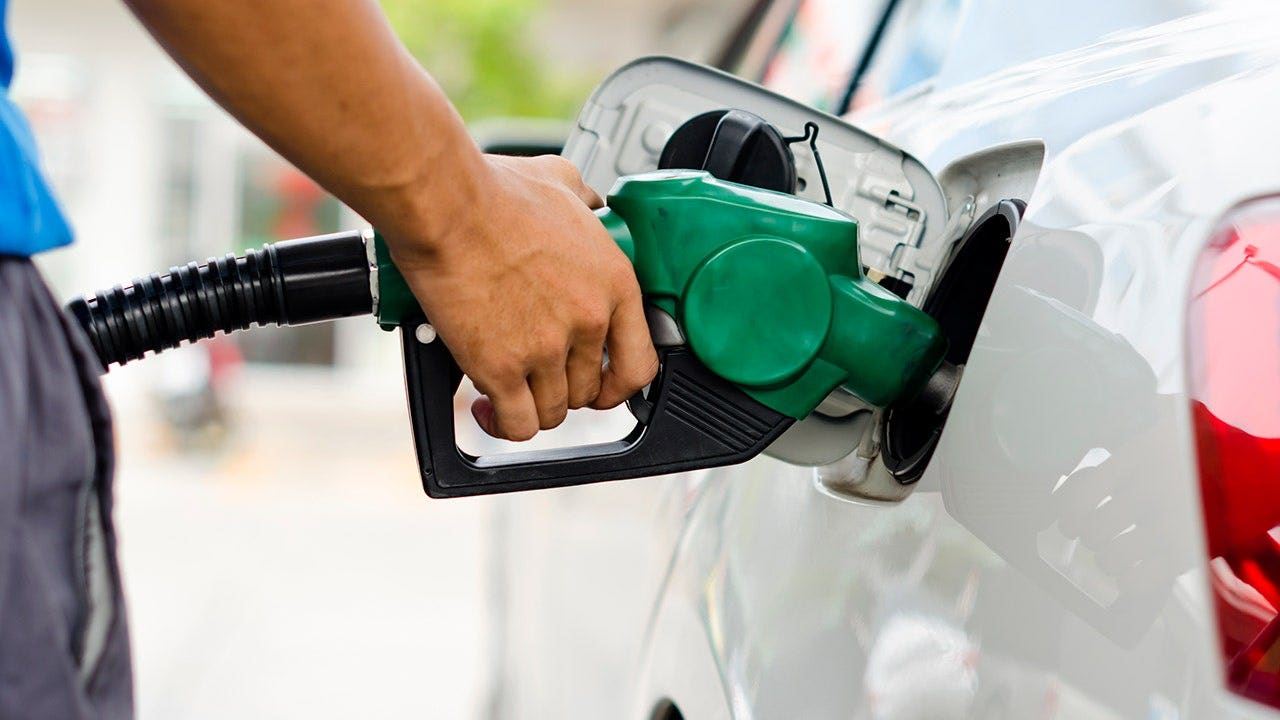
Energy pain at the pump and a global squeeze have exposed the limits of climate orthodoxy, nudged pragmatic leaders toward fossil fuel solutions, and shown that U.S. energy strength matters for humanitarian and national security reasons. This piece walks through how political rhetoric has shifted, why electric vehicle policies are stumbling, and how energy realities abroad highlight the value of reliable fuel supplies. The examples underline a larger point: politics that ignore practical energy needs risk real harm.
Rahm Emanuel famously said, “You never want a serious crisis to go to waste.” That line fits this moment: politicians and activists who once pushed sweeping green agendas now face voters and markets that demand realism. When pump prices spike, idealism gets quieter and policy has to bend toward basics like electricity and gasoline.
Take California as a case study. A short while back the governor insisted “economic growth comes not in spite of clean energy but because of it.” Yet the same administration has recently shifted tone and emphasized the need to “responsibly increase oil production” to keep lights and jobs stable. That kind of pivot reveals what voters notice first: energy that works today matters more than promises for someday.
Electric vehicles were sold as the answer to price shocks and dependence on foreign oil, backed by big tax credits and ambitious state mandates. The real-world response has been mixed, with automakers reporting staggering losses tied to EV lines and some popular models discontinued as buyers choose alternatives. Market signals are loud: when consumers face tradeoffs between cost, convenience, and reliability, they vote with their wallets.
Stories from the Midwest underscore that point. Once-used photo ops with electric trucks have given way to factory slowdowns and closed production lines as demand lagged. Executives now talk openly about lost billions tied to EV pushes, and pundits describe many plants as “mostly empty and losing money.” Political leaders who expected quick consumer conversion are recalibrating fast.
The human cost of energy shortages becomes painfully clear overseas. Cuba, long dependent on cheap oil from a neighboring patron, plunged into crisis when those shipments stopped, leaving hospitals without power and ambulances idle. In a rare practical move, a Russian tanker was allowed to deliver fuel to Havana, and officials bluntly said, “they have to survive.” That moment shows how energy policy intersects with humanitarian need in ways abstract debates often miss.
Across the globe, countries far more dependent on imports are feeling the sting harder than Americans. Some nations have rationed fuel or moved to shorter workweeks as supplies tighten and prices spike. By contrast, U.S. crude imports from traditional trouble spots are near multi-decade lows thanks to increased domestic production, and our natural gas market has remained much steadier than those in Europe and Asia.
That domestic resilience is political capital. Republican policymakers and many voters view American energy strength as a national security asset, not merely an economic talking point. Boosting production and maintaining reliable grids are framed as common-sense steps that protect households, industry, and allied nations when global markets wobble.
The climate movement will still ring the alarm, and a familiar line persists that “the world is going to end in 12 years if we don’t address climate change,” as U.S. Representative Alexandria Ocasio-Cortez declared in 2019. But for large swaths of the electorate, alarmist language loses traction when power outages, empty pumps, and lost jobs are the immediate problems. Voters want solutions that work now, not only promises of future perfection.
Practical politics will keep pushing the needle toward policies that balance environmental goals with energy reliability and affordability. Leaders who insist on ideal outcomes without confronting today’s shortages risk political backlash and real-world suffering. In this season, the debate is less about slogans and more about who can deliver power, heat, and fuel when people need them most.
