
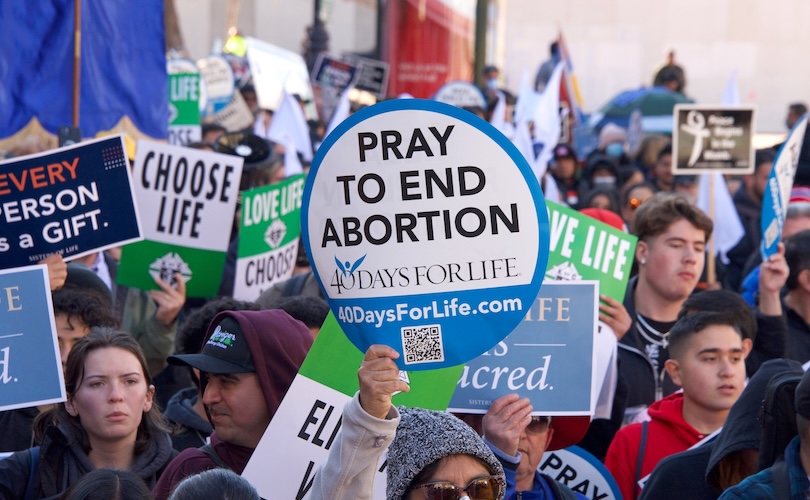
Pro-life advocates gathered near the University of Pittsburgh under blistering sun to make a clear, public stand for the unborn and for the conscience of our communities. Young people were prominent in the crowd, bringing energy and conviction to a movement that refuses to treat human life as disposable. This piece reports on that rally, the message delivered, and the resolve driving citizens to speak up where silence once allowed tragedy to continue.
The scene was unmistakable: determined, hopeful citizens lined sidewalks and chanted for respect and protection for the most vulnerable. The heat did not deter them because conviction runs hotter than any summer afternoon. For many attendees, showing up was not about politics as usual but about moral clarity and the duty to defend life from conception.
Students and young adults framed their presence as a refusal to accept a culture that silently normalizes abortion. They carried signs and shared stories that cut through political spin and focused on human faces and futures. In a college town known for debate and ideas, these young people brought the conversation back to a basic question: who deserves our protection.
Speakers at the rally challenged the idea that life can be reduced to a mere policy choice or a private decision without public consequence. They argued plainly and directly that a society that permits abortion on demand weakens its own moral foundations. The message resonated with many who feel the mainstream narrative overlooks the human costs and the alternatives that bless both mother and child.
Organizers emphasized outreach and practical support alongside protest, highlighting crisis pregnancy centers and community programs that offer real, tangible help. This blend of compassion and conviction is central to the Republican view that government, families, and local organizations should protect life while empowering parents. The crowd wanted to show that protecting life means more than slogans; it means building systems that offer solutions instead of silence.
The presence of youth at the march was not accidental; it reflects a generational shift where young conservatives and churchgoing students want to move from social media outrage to street-level action. They see public witness as essential because history shows silence enables harm. By turning up in person, they aimed to break the assumption that campus life equates to uniform agreement with pro-choice orthodoxy.
To opponents, these rallies look like political theater, but participants say they are a conscience check for a campus and a culture that too often celebrate autonomy at the expense of the weakest. Protesters insisted the conversation must include the unborn, the mothers facing hard circumstances, and the men who father children. The call was to foster responsibility, provide care, and restore respect for life in public policy and private choices.
Many attendees described personal reasons for marching, from religious conviction to family experiences and concern for community welfare. Those personal testimonies helped transform the event from an abstract policy debate into a human story with faces and names. The clarity of their testimony made it harder for passersby to dismiss the rally as merely partisan activity.
Local leaders tapped into that grassroots energy, urging action beyond the day of the march by supporting local initiatives that assist pregnant women and by engaging in respectful persuasion. The larger aim is cultural renewal, not simply electoral wins, and the focus is on building lasting institutions of care. Participants insisted that progress begins with ordinary citizens who are willing to bear witness publicly and consistently.
Walking away from the rally, many said they felt more accountable for the role they play in shaping a society where life is cherished. The event was a reminder that public morality is not passive and that communities can choose to protect their weakest members. For those who showed up, the message was simple and resolute: showing up matters, silence does not save lives, and standing for life is an act of courage worth the heat and the effort.
