
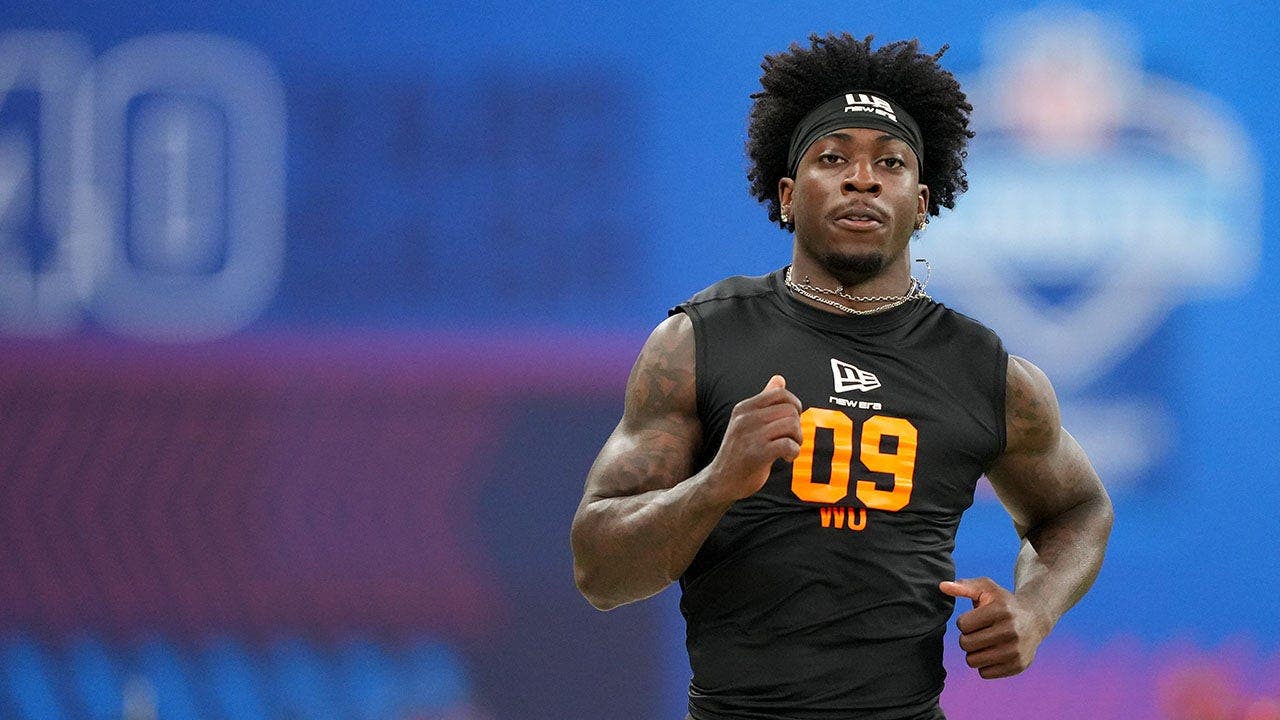
NFL draft prospect Zachariah Branch was arrested in Georgia on two misdemeanor charges after police allege he obstructed a sidewalk and an officer. This article looks at what that arrest means, how these kinds of charges typically play out, and what it could mean for a young player on the cusp of the NFL.
The immediate headline is simple and stark: an arrest has occurred and charges are on the table. For athletes pushing toward pro opportunities, even minor legal trouble becomes a spotlight issue, and teams will take notice. The basic facts reported are that Branch faces two misdemeanors tied to alleged obstruction, and that the incident happened in Georgia.
Misdemeanor obstruction charges can vary widely depending on local law and the circumstances of the encounter. Some cases are administrative and resolved quickly with fines or diversion programs, while others can drag through court and lead to probation. The legal process will determine the ultimate outcome, and public reports at this stage are likely incomplete.
From a football and roster perspective, teams will weigh character and risk alongside talent evaluations. Scouting departments vet off-field behavior carefully because it affects locker room dynamics and team image. An arrest does not automatically end a career, but it does add a layer of concern teams must investigate before spending draft capital.
Media and social attention tend to amplify these incidents in real time, and that can distort how severe the matter seems. Early stories usually contain limited details and law enforcement language like “police allege,” which is important to keep in mind. Due process still applies and the courts, not headlines, will determine guilt or innocence.
For the player, legal representation and a measured public response matter a lot. Handling the legal side with counsel and avoiding unnecessary public comments can help manage the situation. Advisors and agents will likely engage, guiding the next steps and communicating with interested teams as appropriate.
College programs and former coaches sometimes play a role after arrests, either by offering context or by distancing themselves depending on the circumstances. Their input can influence how teams perceive the incident, but those reactions are typically cautious until more facts are known. Institutions also have their own conduct policies that might be separate from criminal proceedings.
As a general rule, NFL franchises have established processes for background checks and character reviews that take these events into account. Teams examine the totality of a prospect’s history, including on-field behavior, academic standing, and any prior incidents. A single event will be factored, but patterns and the final legal resolution carry the most weight.
Fans and commentators should be careful not to leap to conclusions from early reports. The right approach is to acknowledge the arrest as a significant development while letting the legal process play out. Responsible coverage focuses on verified facts and avoids amplifying speculation that can unfairly shape a young player’s future.
Next steps will include official charging decisions, possible court appearances, and whatever statements, if any, come from Branch or his representatives. Teams monitoring the situation will adjust their evaluations based on new information and the final legal outcome. Until then, this remains a developing story centered on the reported misdemeanor allegations in Georgia and their potential ripple effects for a draft prospect.
