
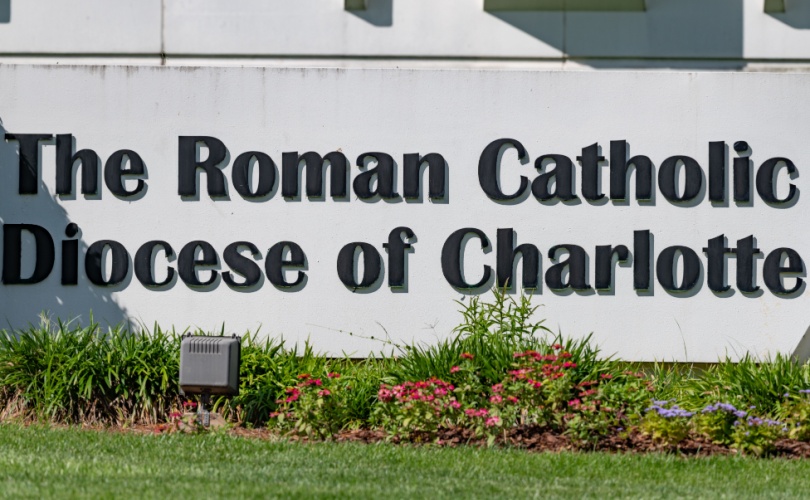
Parents of teenage girls at Charlotte Catholic High School say their concerns about a priest’s conduct in confession were dismissed by diocesan officials, and they felt Bishop Michael Martin sidestepped the issue instead of addressing it head-on. This piece looks at what parents reported, how diocesan leaders responded, and what families are now asking for as they push for clarity and protection for students. The situation has left a community grappling with trust, transparency, and the practical steps needed to restore confidence. It raises questions about how churches handle sensitive complaints and how parents and leaders can work together to safeguard young people.
Parents describe a pattern of worrying interactions that they believe crossed boundaries during confessions and pastoral encounters, and they expected a prompt, serious response from the diocese. Instead, many say their concerns were minimized or dismissed, which deepened their frustration and eroded trust. For families whose children are still processing what happened, the lack of clear answers felt like being gaslighted by an institution they had trusted to protect them. That sense of betrayal is what has driven parents to speak up more loudly in public forums and private meetings.
Their account centers on the perception that diocesan officials treated the complaints as minor or misunderstood, rather than initiating a full and transparent inquiry. When leadership appears to avoid confronting these claims directly, it leaves a vacuum that fuels rumors and anxiety. Parents wanted concrete actions: an independent review, clearer communication, and protections to prevent anything similar from happening again. Without those measures, many families felt the diocese was prioritizing reputation over safety.
Bishop Michael Martin became a focal point for parents because they expected a higher standard of accountability from the bishop’s office. Instead of a direct, public engagement with the affected families, parents report meetings that offered reassurances without specifics. That response increased calls for outside oversight and for church leaders to explain the process they used to evaluate the allegations. For people who grew up learning to trust local clergy, the absence of transparent answers only widened the gap between parishioners and leadership.
The emotional toll on the students and their parents deserves attention on its own. Teenagers who confided in their families felt confused and vulnerable, and parents now face the dual challenge of supporting their children while trying to navigate opaque institutional procedures. Mental health resources, pastoral counseling, and a safer reporting framework are concrete needs that emerged from conversations with affected families. Addressing those needs would be a practical step toward healing, regardless of how the investigation unfolds.
Beyond individual support, parents are calling for structural changes to how allegations are handled in the diocese. They want independent investigators with experience in clerical misconduct, a clear timeline for inquiries, and a communication plan that keeps families informed without compromising the integrity of the process. These demands aim to rebuild trust through accountability, not through defensive statements. When institutions respond with openness and verifiable actions, communities are more likely to believe they are being taken seriously.
Local parishioners and alumni have also weighed in, and reactions range from cautious support for the families to calls for patience while canonical procedures run their course. That split reflects a common tension when allegations arise: the desire for swift justice versus the need for a fair and thorough process. Whatever the outcome, the episode will likely influence how future complaints are handled and how diocesan leaders communicate during sensitive moments. Many see this as an opportunity to improve policies and prevent similar crises.
For now, parents remain vocal about their desire for clarity, protection, and a church culture that listens to those who raise concerns. They do not simply want apologies; they want steps that reduce the chance of recurrence and that restore confidence in local leadership. The broader community will be watching how the diocese responds, because the answers given now will shape whether trust can be rebuilt and how safe young people feel in parish life going forward.
