
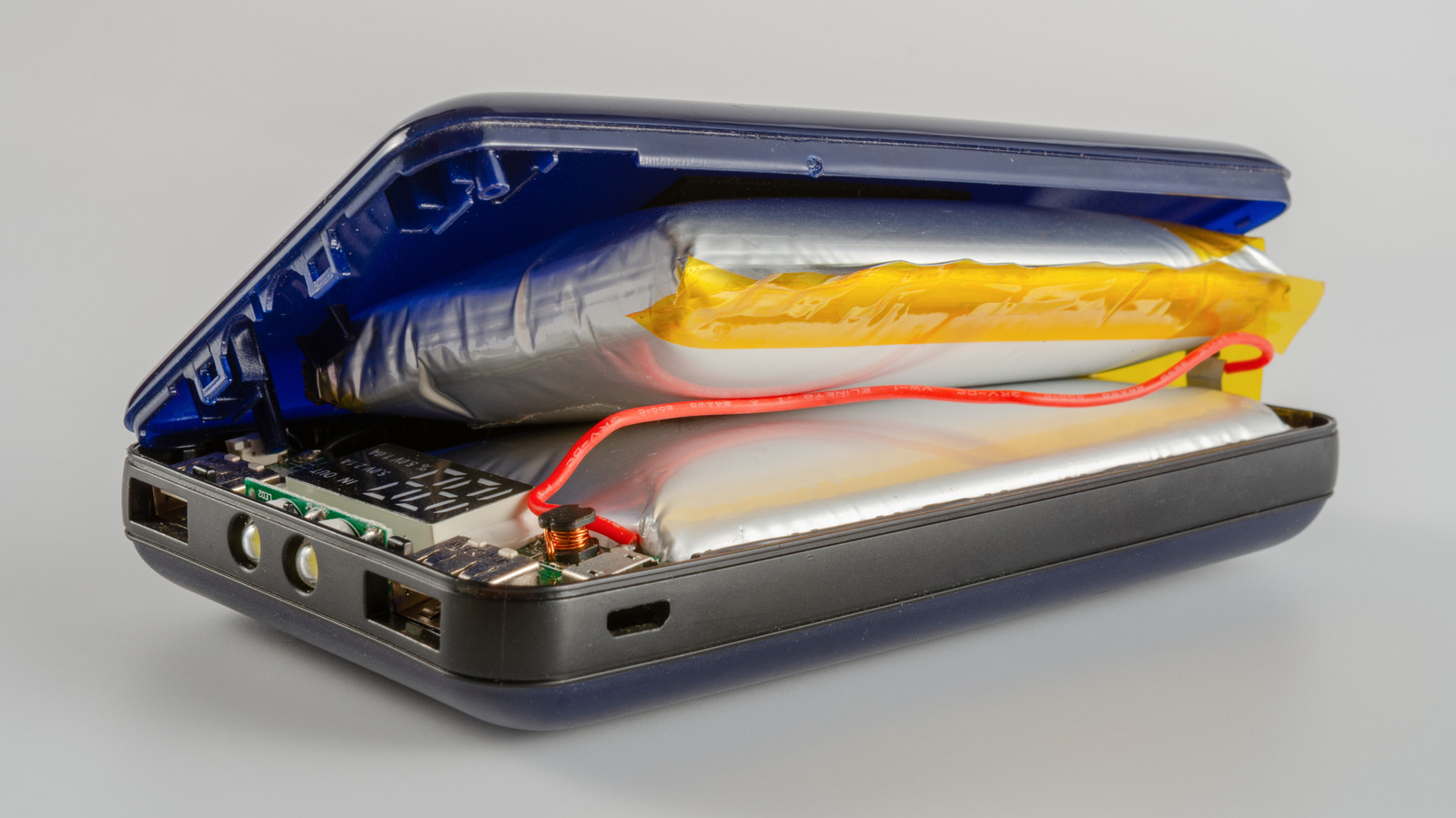
Charging a power bank overnight can damage the unit and, in rare cases, spark fires or cause explosions, so this piece explains the science behind that risk, the signs to watch for, and practical steps to reduce danger when you need to recharge portable batteries.
Lithium-ion cells power most modern power banks and they do not like excess heat or continuous high-voltage stress. When a cell is pushed beyond its design limits by prolonged charging, chemical reactions can accelerate, reducing lifespan and raising the chance of thermal runaway. That’s why a simple overnight habit can quietly nudge a device toward failure rather than just keeping it ready for the morning.
Internal charging circuits are supposed to prevent overcharging and manage current, but not every power bank has robust protection. Low-cost models often skimp on quality components and testing, so their safety cutoff points may be unreliable. Even with decent circuitry, aging batteries and repeated full cycles wear down the safeguards over time.
Heat is the real villain when it comes to battery safety because it magnifies tiny faults into big problems. Placing a charging power bank on a mattress, under a pillow, or inside a cluttered drawer traps warmth and removes airflow, letting temperature climb. Higher temperature speeds up chemical breakdown and can cause swelling, venting, or in very bad cases a fire.
External hardware matters too: cheap cables, loose connectors, or incompatible fast chargers can deliver inconsistent current and add stress. Fast charge protocols push higher power into cells and that increases heat generation if the bank is not designed to handle it. Using the wrong charger is an easy way to turn a one-night habit into a recurring risk.
You can catch trouble early if you know what to look for: unexpected warmth during or after charging, bulging casing, odd noises, or chemical smells are all red flags. If you spot any of those signs, stop using the pack immediately and move it to a safe, well-ventilated area away from flammable materials. Continued use of a compromised battery multiplies the danger and reduces chances of safe recovery.
Small changes in how you charge make a big difference. Charge on a hard, nonflammable surface and avoid bedding or couches where heat builds up. Unplug when the pack reaches full charge or use a smart plug with a timer if you want automatic cutoff; the goal is to limit how long the battery sits at top voltage and temperature.
Pick certified brands and check for built-in protections like overcharge, overcurrent, and temperature monitoring if safety matters to you. Certifications and reputable manufacturers do not eliminate risk but they materially reduce the odds of catastrophic failure. Even top-shelf units need sensible handling, so don’t treat certification as a license to ignore basic precautions.
When storing or transporting power banks, aim for a partial charge and a cool environment rather than fully topped-off batteries in hot trunks or crowded bags. If a device is damaged, swollen, or malfunctioning, do not throw it in regular trash; follow local rules for battery disposal or take it to a certified recycling center. Adopting a few responsible habits now keeps your devices working longer and lowers the chance of an event you do not want to deal with.
