
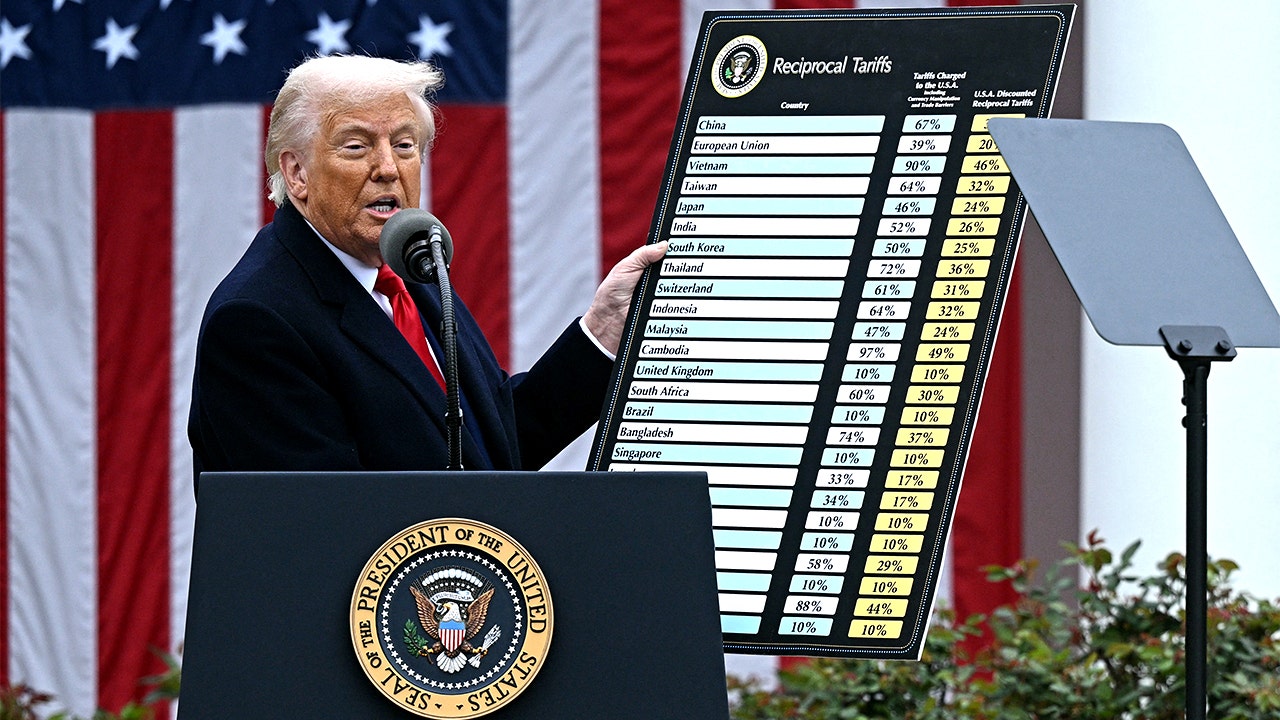
This piece looks at the trade fight over tariffs, the costs families and businesses feel at the checkout and on the farm, and the political battle lines it’s opened. From a Republican perspective, I’ll argue these measures are a tough but necessary step to rebuild American manufacturing, protect national security, and create leverage in long-neglected trade relationships. I acknowledge the pain in the short term while laying out why standing firm can pay off for workers and communities over time.
Yes, tariffs have nudged prices up and households notice it every time they buy groceries or gasoline. That discomfort is real and deserves attention, but the choice is not between perfect prices today and nothing tomorrow. It’s about forcing trading partners to play fair so American factories and supply chains can come back online, creating higher-paying jobs and more domestic resilience.
Small manufacturers and local makers have felt pressure, and no one should pretend otherwise; breweries in Ohio and inventive startups in the Midwest face higher input costs and tighter margins. Still, those businesses also stand to gain from a stronger domestic supply chain and a government that won’t let foreign competitors undercut U.S. workers with dumped or subsidized goods. The short-term pain can be eased with targeted relief while policies keep the bigger prize in view.
Farm country has taken a hit, and farmers rightly want markets and lower costs for fertilizer and equipment. A Republican approach accepts that reality and pairs trade pressure with real support: market access deals, regulatory relief, and tax policies that encourage investment in American agriculture. The goal is not to leave farmers to shoulder the burden, it’s to secure new customers and fair returns for their harvests.
DEMOCRATS POUNCE ON $4 A GALLON GAS, BLAME TRUMP’S IRAN WAR FOR ‘BROKEN PROMISE’
Republicans in Congress get criticized for backing a strong trade posture, but the argument that they “only work for Trump” is lazy politics, not a plan. Leaders who voted to use tariffs did so because wages and manufacturing capacity had been hollowed out for decades. If the choice is the same status quo that outsourced jobs or a deliberate strategy to rebuild industry, the latter deserves a fair hearing from voters.
Legal rulings that limited some tariff actions matter and should be respected, but so does the need for effective enforcement of trade rules and a toolkit to counter unfair practices. Rather than reflexive calls for blanket refunds, a practical Republican policy looks to targeted compensation where harm is acute and to using tariff leverage to win better, enforceable deals. That balances fairness for consumers with toughness that protects workers.
Politics will shape how this plays out at the ballot box, and Republicans should stop shrinking from honest debate about costs and benefits. Voters want both affordability and long-term security for American jobs, and they can see when a party offers a credible plan to deliver both. The task now is to keep talking to communities, fix the rough edges, and keep pursuing policies that expand domestic opportunity without pretending trade pressure is cost-free.
