
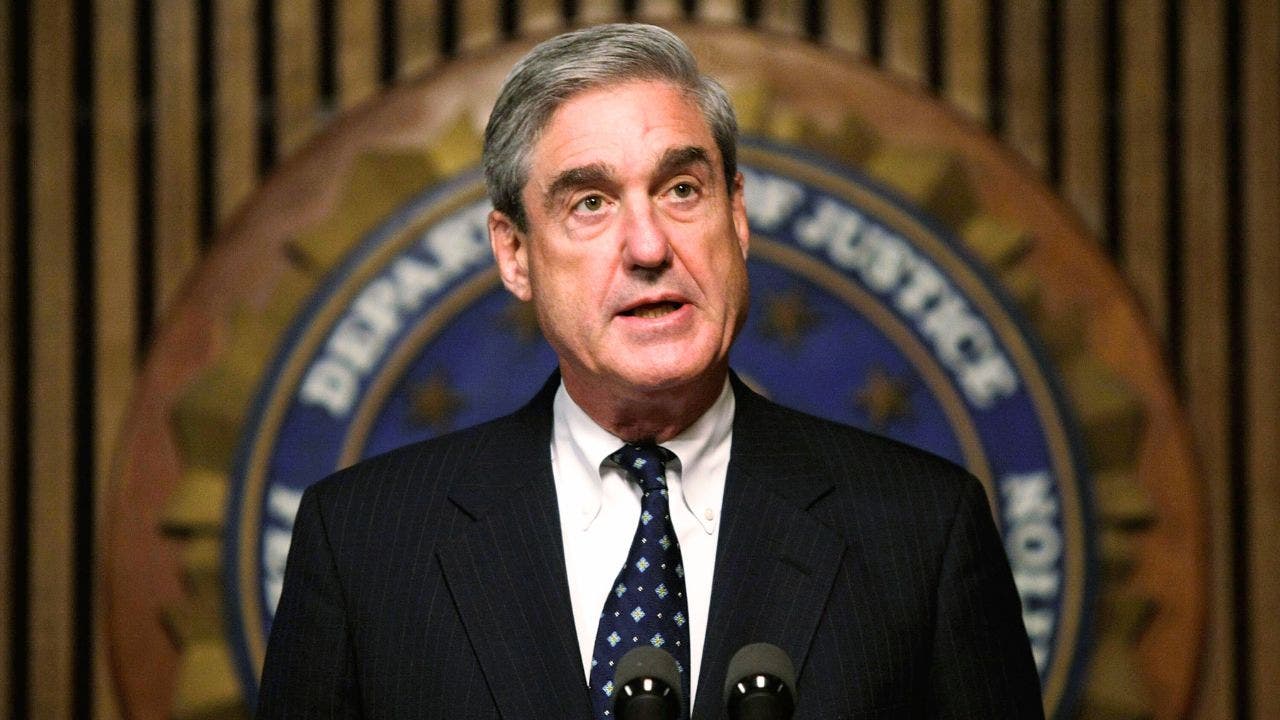
Robert Mueller’s death reopened the debate over a career that began with honorable service and ended in controversy. This piece argues from a Republican perspective that his role as special counsel damaged institutions, targeted innocent people, and produced a report that failed to prove collusion yet left a political scar. The focus is on the investigation’s missteps, conflicts of interest, partisan staffing, ignored leads about the dossier, the problematic “not exonerated” line, and the public unraveling during testimony.
Mueller arrived with a long record of government service and a reputation for competence that many respected. That background made his acceptance of the special counsel role in 2017 especially consequential. The case he took on—allegations that President Trump colluded with Russia in 2016—was always going to be high stakes and high drama.
What unfolded looked less like neutral fact-finding and more like a political witch hunt to conservatives. The investigation used tactics that felt aggressive and coercive to critics, and people with no credible allegations against them found themselves in the crosshairs. That perception helped fuel a deep national division that lingered long after headlines faded.
The core finding mattered: the investigation failed to establish a conspiracy between the campaign and Russia. That absence of proof should have forced a quick reassessment and an immediate end to the probe. Instead, the machinery kept turning, and the harm done in public reputation and private lives was already done.
According to accounts, Mueller’s team told Trump’s lawyers on March 5, 2018, that there was no evidence of collusion, yet the inquiry continued into obstruction. Many conservatives see that continuation as proof the effort had shifted from seeking facts to seeking a political outcome. Once the focus moved away from collusion, legal theory was stretched to pursue different paths to indictment in public opinion if not in court.
“While this report does not conclude that the President committed a crime, it also does not exonerate him.”
That sentence became the most explosive paragraph in the report, and for good reason. It flipped the ordinary expectation that prosecutors either charge or decline to charge and it invited months of speculation from opponents. From a Republican viewpoint, it was an improper nudge into the court of public opinion rather than a clear legal closure.
Questions about Mueller’s neutrality were never far from the surface. He had professional ties to figures like James Comey, and critics argued those associations should have disqualified him. Reports that Mueller met the president shortly before accepting the assignment only amplified the appearance of sloppy process and questionable judgment.
Staffing choices added fuel to the fire. Mueller brought on prosecutors and investigators who many conservatives viewed as openly hostile to President Trump, which undermined confidence in the probe’s impartiality. At the same time, key lines of inquiry into the origins of the collusion allegations and alleged misconduct inside the FBI received short shrift.
Central to the controversy was the Steele dossier and the funding behind it. Evidence later showed that opposition research, funneled into official channels, played a role in sparking and sustaining suspicion about the campaign. That trail pointed back to political operatives who paid for material that then seeded stories with the media and alarmed law enforcement, yet Mueller’s final product downplayed that backstory.
When Mueller finally appeared for televised testimony, his performance did not soothe critics. He came across as uncertain and often unable to answer straightforward questions about the report attributed to him. For many watching, it reinforced the sense that the investigation had been driven by a team of operatives rather than a single unimpeachable author.
The collateral damage is real: reputations, careers, and trust in key institutions were eroded. Those who were swept up in the probe deserve answers and corrected records where possible, and the public deserves reforms to prevent similar episodes. The episode will be measured not only by what was found but by how the machinery of justice and media combined to produce long-lasting political consequences.
