
This piece explains why a newly spotted botnet made up of hijacked devices is unusually dangerous and difficult to shut down, outlining its architecture, persistence tricks, evasive behavior, and what network operators and users can do to blunt its impact. It walks through the technical features that raise the threat level and offers practical observations about detection and containment without pretending there is a silver-bullet fix. Read on for a clear, straightforward look at how this botnet works and why it matters.
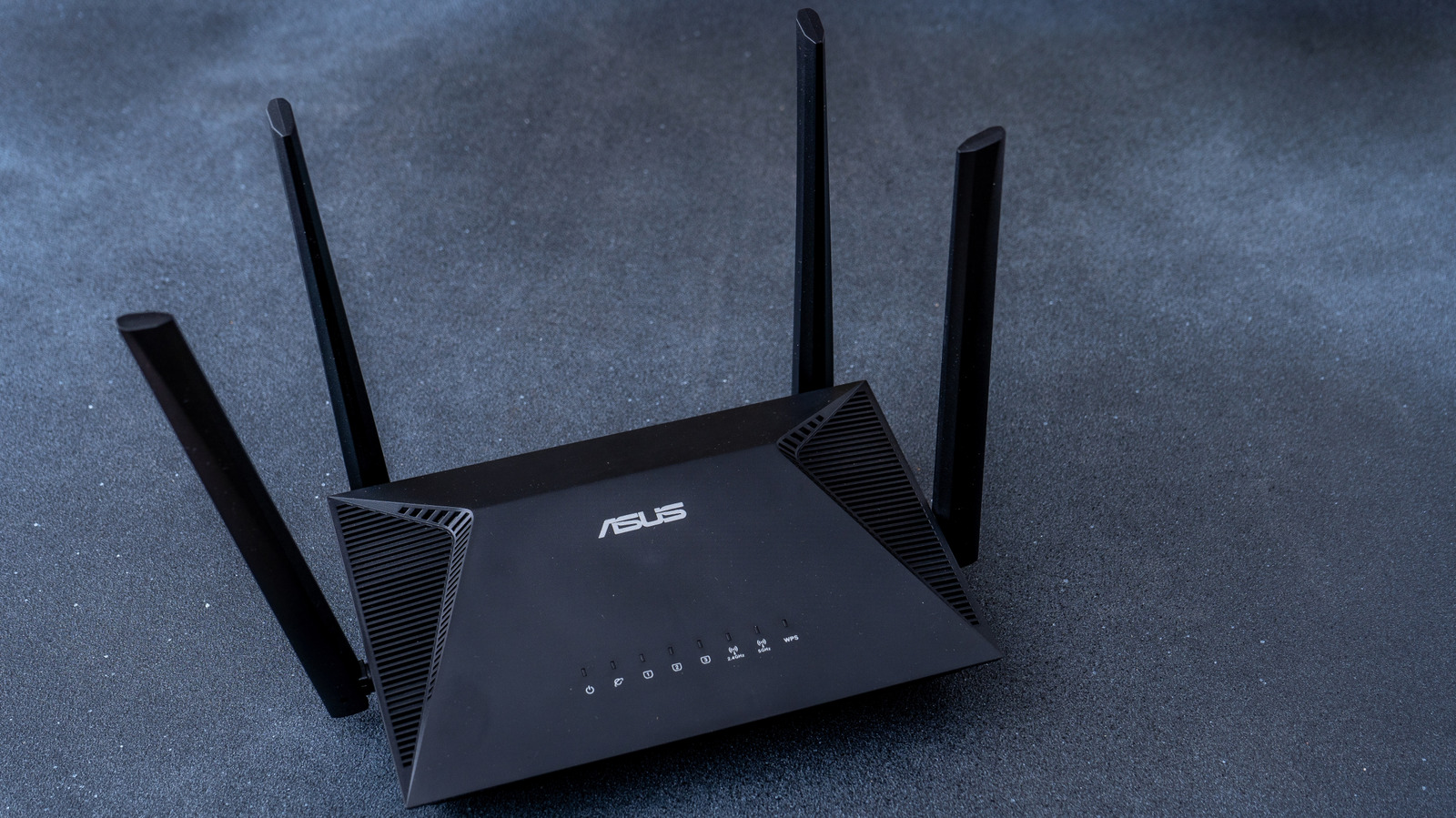
What sets this botnet apart is the diversity of its victims, not just servers but everyday consumer gear like routers, cameras, and smart appliances, which creates millions of poorly defended entry points. Those devices run tiny operating systems and rarely get updates, so once the malware lands it often survives routine reboots and stays invisible in traffic noise. That scale and variety make traditional takedown moves much less effective because defenders can only clean a fraction of infected endpoints.
The botnet uses a decentralized control model that hardens it against single-point disruptions and legal pressure, distributing command functions across peers or encrypted messaging channels. Even if one control node is seized or sinkholed, the rest keep operating and can reconstitute leadership using built-in fallback lists. That kind of resilience forces defenders into long, resource-heavy campaigns instead of quick wins.
Attackers hide control traffic inside legitimate services and mimic normal device behavior to blend into the background, so signature-based detection often misses it. They may use HTTPS, certificate pinning, or multiplex tunnels through cloud providers and content delivery networks, which complicates packet inspection and attribution. When traffic looks like ordinary updates or API calls, network blocks risk breaking real services while still letting the bad stuff slip through.
Persistence is achieved not just by cryptic installers but by modifying firmware, poisoning memory on boot, or exploiting weak default credentials to re-infect devices after a reset. Some versions even stage payloads in nonvolatile memory regions so wiping the filesystem does not remove them. That means recovery often needs firmware reflashing or vendor-supplied tools rather than simple factory resets people expect to work.
The botnet operators build modular toolkits so they can swap in capabilities on the fly, from high-volume DDoS and credential harvesting to cryptocurrency miners and proxy networks. That modularity turns the infected fleet into an on-demand cybercrime platform that can be rented or repurposed by different criminal groups. As a result, defenders are fighting not a single threat but a marketplace of evolving options that appear and disappear quickly.
Mitigation requires a layered approach that mixes short-term containment with long-term hygiene, and it starts with network segmentation and strict egress filtering to keep compromised IoT from talking freely to the internet. ISPs and hosting providers need to collaborate on sinkholing, abuse reporting, and coordinated abuse takedowns, because individual users and small businesses rarely have the reach to disrupt the botnet themselves. At the same time, device vendors must be pressured to deliver secure defaults, automated updates, and an avenue for emergency firmware fixes.
For administrators, practical moves include hardening authentication, removing unnecessary services, and monitoring for unusual outbound connections and persistent low-bandwidth channels that are classic botnet indicators. Consumers should change default passwords, apply updates promptly, and isolate smart devices on separate networks to limit collateral damage if infection occurs. Law enforcement and the security community will need sustained campaigns to trace operators and dismantle infrastructure while defenders race to protect an ever-growing attack surface.
