
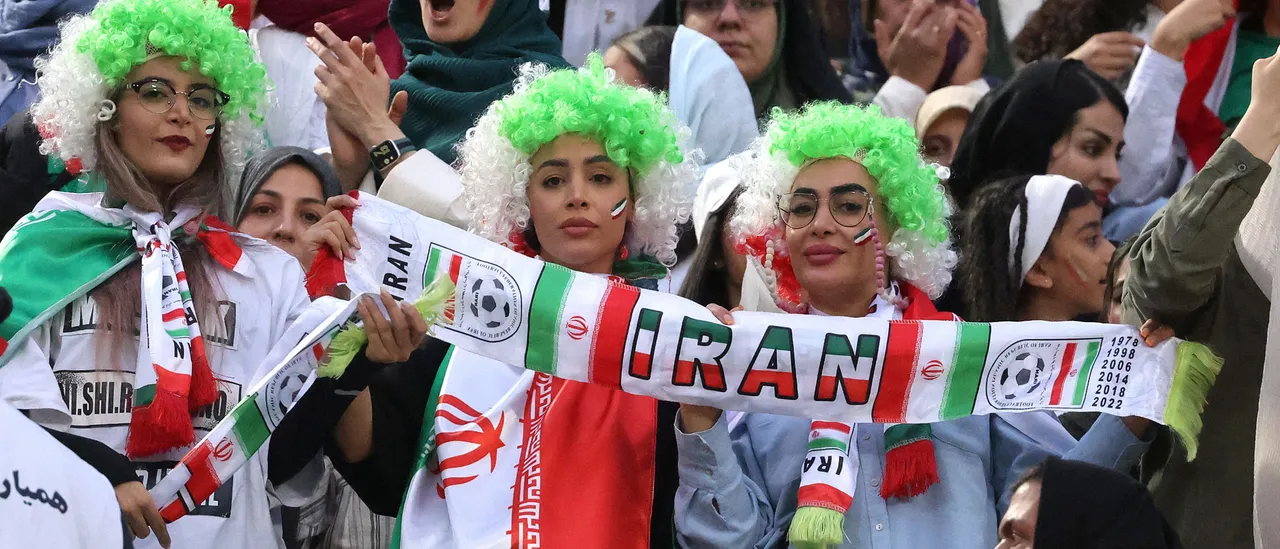
President Trump made a blunt, unapologetic remark when asked about Iran competing in the 2026 FIFA World Cup, shrugging off the drama and signaling that American priorities don’t hinge on Tehran’s participation. The tournament will be hosted across North America with Iran scheduled to open Group G in Los Angeles, but Tehran’s response to recent military strikes has put its commitment in question. This piece looks at the fallout, the mood inside Iran’s football leadership, and why a tough, straightforward stance resonates with conservatives.
When reporters pressed him on whether Iran should still play on U.S. soil, Trump cut through the performative concern and said, “I really don’t care,” in a tone that Republicans see as refreshingly honest. That line landed because it reflects a clear decision: America’s security and interests come first, not symbolic sporting gestures. Voters tired of watered-down responses appreciate a leader who won’t manufacture empathy for an adversary actively hostile to U.S. allies.
Iran’s federation has reacted predictably, framing the strikes as an attack on national dignity and warning that the World Cup’s future feels uncertain. “What is certain is that after this attack, we cannot be expected to look forward to the World Cup with hope,” said Iranian football federation President Mehdi Taj to a sports portal. He added, “The US regime has attacked our homeland, and this is an incident that will not go unanswered.”
Sports and geopolitics rarely live in separate bubbles, and this episode proves it once again. Hosting matches in Los Angeles puts Iran in the uncomfortable position of choosing between international sport and domestic outrage, and their leadership is signaling that domestic politics might win. That tension is political theater for Tehran, but for the U.S. it’s a reminder that hosting major events also means expecting competitors to coexist under American rules.
Some pundits pretend shock at Trump’s candor, but conservatives see strategic clarity, not cruelty. Calling out an adversary’s weakened state isn’t gloating so much as assessment, and it’s a stance voters rewarded in 2016 and again in 2020 in various ways. A president who names facts without softening them gives allies confidence and forces adversaries to reckon with consequences.
FIFA says it will keep an eye on developments, which is the organization’s way of acknowledging complications without taking a public stand. That cautious posture suits a global body that must balance politics and competition, but it also exposes the limits of international organizations when real security issues are at play. In practice, monitoring rarely resolves the underlying tensions that make participation uncertain.
Iran withdrawing would be a political win for hardliners inside the country and a propaganda moment for regimes that thrive on portraying the West as hostile. Still, a withdrawal would be self-inflicted humiliation for a team and nation that could have shown resilience on a global stage. For those who value standing with allies and punishing aggression, the prospect of Tehran bowing out does not demand sympathy.
American hosts, local organizers, and fans are unlikely to let geopolitical drama spoil the tournament experience in Los Angeles and beyond. The World Cup is a spectacle that transcends politics for the majority of attendees and viewers, and the U.S. will emphasize safety, celebration, and proper conduct. That practical focus contrasts with Tehran’s rhetoric and highlights different priorities between a free host nation and a besieged regime.
Political credibility matters, and Trump’s tone reflects a broader Republican view that strength and clarity get results. Whether through deterrence, economic pressure, or public rhetoric, presenting a firm front discourages escalation and protects national interests. For conservatives who prioritize stability and decisive leadership, that bluntness is a feature, not a flaw.
At the end of the day, the World Cup will go on in North America, and Iran will have to decide whether to take part or retreat into indignation. Trump’s dismissal of the controversy underscores a simple point: America will not be hostage to Iran’s political theater. Fans, organizers, and policymakers will keep watching how events unfold, but the message from this administration is unmistakable—national interest first, sentimentalism second.
