
An independent probe called “Infiltrated” exposes how billions meant to end homelessness were diverted into politics and institutional momentum, not solid results. This piece walks through the Housing First shift, the role of big foundations and nonprofits, and the Supreme Court and federal pushbacks that followed. It argues for tying funding to measurable outcomes and restoring accountability to help people, not power structures.
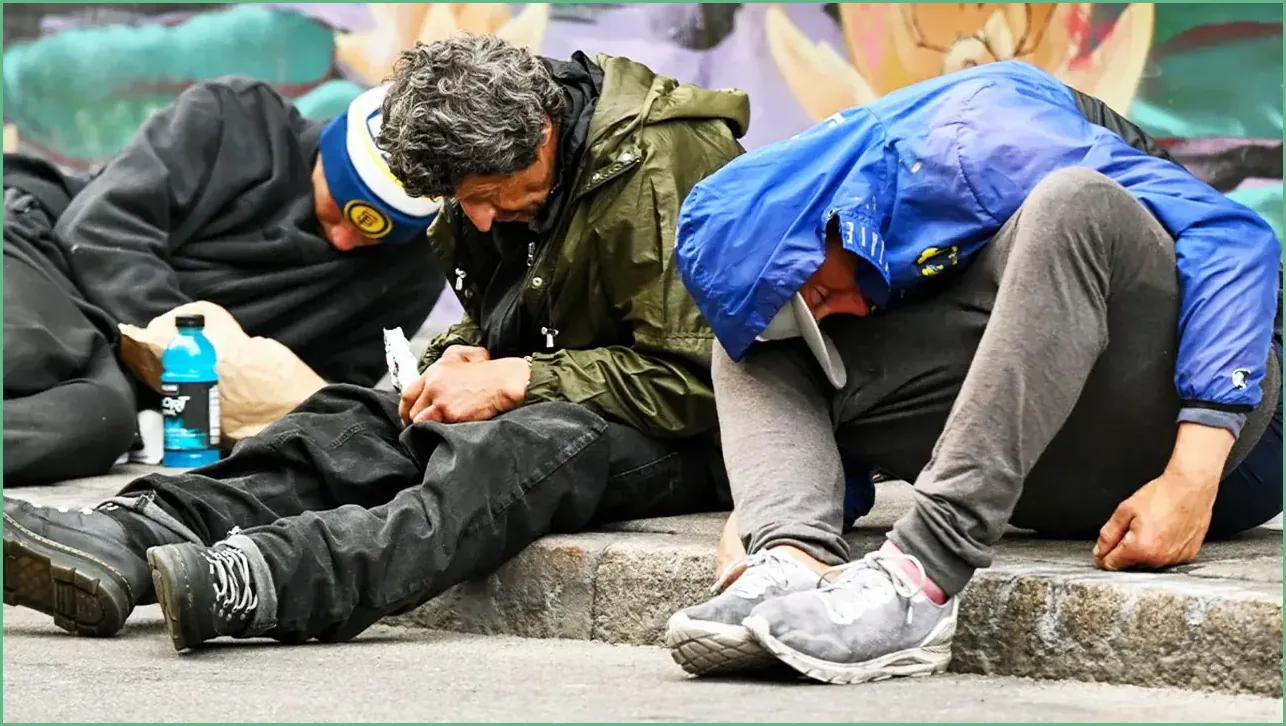
For years the word “compassion” has been used to justify ever-larger checks and looser rules, but that approach has not solved the problem. The growth in spending has not matched progress on the streets, and too many programs reward activity over results. People on the ground still face unsheltered nights while budgets swell inside nonprofits.
The “Infiltrated” investigation peels back layers of that mismatch and points to a political capture of homelessness policy. It shows how infrastructure, donors and messaging have aligned to promote ideological goals under the cover of service. The result is a system that survives on the crisis instead of ending it.
Back in 2013 the Department of Housing and Urban Development enshrined Housing First as federal doctrine and promised to “end homelessness in a decade.” That policy removed many prior expectations about treatment and accountability, shifting resources toward housing placement above other interventions. Whatever its intentions, the change reshaped incentives across the field.
Spending exploded after that shift while measurable outcomes lagged, creating perverse incentives for organizations to lobby for more funding rather than better results. Grants mushroomed and the number of groups reliant on government dollars ballooned quickly. When success means fewer dollars, clients can become a financial line item instead of people to be helped.
The Supreme Court case Grants Pass v. Johnson put another spotlight on the problem and showed how legal strategies can protect budget streams. Over 700 nonprofits filed briefs defending encampments and opposing enforcement as “cruel and unusual punishment.” Their legal posture often looked less like compassion and more like preservation of their revenue model.
Major foundations also played a decisive role by injecting large sums into Housing First and equity initiatives, shifting the conversation from concrete services to broad policy goals. Donor-advised funds and opaque giving allowed money to flow in ways that blurred charity and activism. That funding architecture insulated the movement from public scrutiny and accountability.
Coalitions such as Funders Together to End Homelessness moved serious money upstream into broader political causes, leaning into issues far from immediate shelter or recovery. Reparations, anti-policing campaigns and other political agendas found a welcome home inside philanthropic networks tied to homelessness funding. That shift redirected energy away from housing outcomes and toward ideological wins.
The movement built what critics call a Homelessness Industrial Complex: nonprofits, consultants and bureaucracies that feed off ongoing failure. Language like “evidence-based” became a shield for practices that avoided tough requirements and real performance metrics. As long as failure sustains income, there is little incentive to pursue disruptive reforms that actually reduce homelessness.
President Donald Trump’s executive order on homelessness represents a serious attempt to change those incentives and demand accountability from agencies and grantees. The complex fought back, including through lawsuits, which underscores how entrenched these interests have become. Resistance to course correction is predictable when systems are built around sustained funding rather than solved problems.
If “compassion” is meant to rebuild lives, then funding must be tied to measurable, verifiable outcomes like housing retention and recovery from addiction and mental illness. Every taxpayer dollar should be directed toward restoring purpose and independence, not underwriting political campaigns or academic reframing. The public deserves results and the homeless deserve programs that actually help them move on.
BLAME DRUGS AND MENTAL ILLNESS, NOT PRESIDENT TRUMP, FOR THE CHAOS GRIPPING OUR STREETS
I’VE SEEN ENOUGH HUMAN SUFFERING IN HOMELESS ENCAMPMENTS TO KNOW TRUMP’S NEW POLICY IS RIGHT
THESE CITIES’ FEIGNED COMPASSION MAKING DRUG AND HOMELESSNESS CRISES WORSE
There is no moral victory in preserving failed systems that trade outcomes for influence, and voters should expect better stewardship of public resources. Real reform will be messy and will force some powerful players to change how they operate, but accountability is the only path that leads to fewer tents and fewer tragedies. The choice is clear: sustain the industrialized status quo or demand effective programs that return people to stable lives.
