
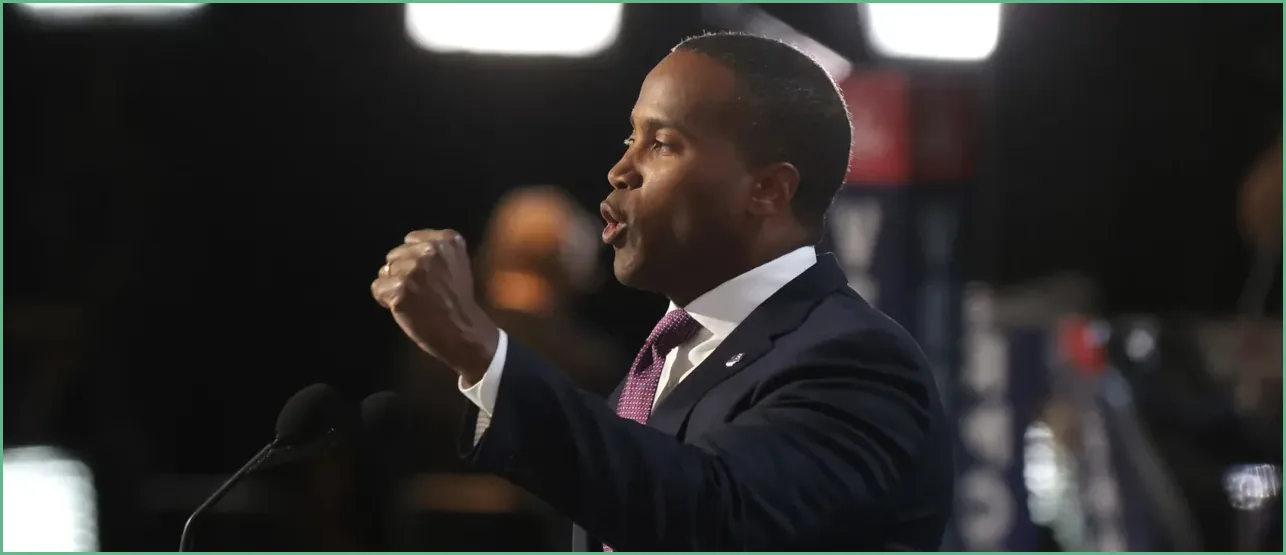
John James Seen as Best GOP Hope to Flip Michigan in 2026
A Plymouth Union Public Research poll puts Michigan Rep. John James at the front of the pack for the 2026 governor’s race, identifying him as the best-positioned Republican to flip the state red. The survey shows James leading hypothetical general election matchups while outperforming a crowded primary field, giving him tangible momentum inside the party. For Republicans eyeing a pickup, that kind of early advantage changes the math for donors, activists, and endorsements.
Michigan’s political map is competitive and often decided by small margins, so the identity of the nominee matters more than in safer states. A candidate who can appeal across suburbs, exurbs, and rural areas becomes a practical path to victory, and the poll suggests James carries that kind of cross-section appeal. That standing forces rival campaigns to rethink strategy and forces national groups to pay attention here earlier than they might otherwise.
James presents a blend of credentials that plays well in statewide contests: military service, private sector experience, and prior runs that built name recognition across the state. Those elements give him credibility with the conservative base and persuasive reach with independents who decide close races. Republicans see a candidate who has already tested messages in multiple regions and shown he can stay competitive outside a single district.
On the ground, those profile advantages convert into practical strengths like fundraising reach and media traction, which matter in long statewide fights. A campaign that can keep James in the news and in donors’ sights makes opponents spend time and money chasing him down. That dynamic often determines which campaigns can sustain a long general election fight and which need an early consolidation to survive the primary gauntlet.
Primary math tends to favor whoever starts with the clearest lead, and the PUP Research snapshot places James squarely in that role. Crowded fields split donor dollars and volunteer energy, so a front-runner who can hold position tends to turn early momentum into ticket-building strength. If rivals fail to coalesce, the path to nomination becomes much more straightforward for him than for a late-arriving challenger.
In the general election a simple, voter-focused message typically beats complicated ideologies, so talk about jobs, schools, and public safety will be central to a winning playbook. James’ background and communication style lend themselves to those plain, practical arguments that reach suburban parents and working families. Democrats will try to nationalize the race and run negative ads, but the test will be whether voters see him as an effective executive rather than a Washington problem.
No poll is destiny and close statewide contests can turn on turnout, late events, and shifts in national mood, so the James campaign must convert favorable snapshots into organization and discipline. That requires building local teams, sharpening voter outreach, and keeping messaging consistent as the race tightens. If he does that, the early polling advantage can become a real advantage on election day.
What comes next is a clear decision point for the Michigan GOP: consolidate early behind the most electable nominee or risk a bruising primary that burns resources and cedes the narrative to Democrats. If James holds the lead, party leaders and donors will face pressure to unify quickly and move into the general election with muscle and clarity. Either way, the PUP Research finding has already shifted how strategists are thinking about the 2026 map in Michigan.
