
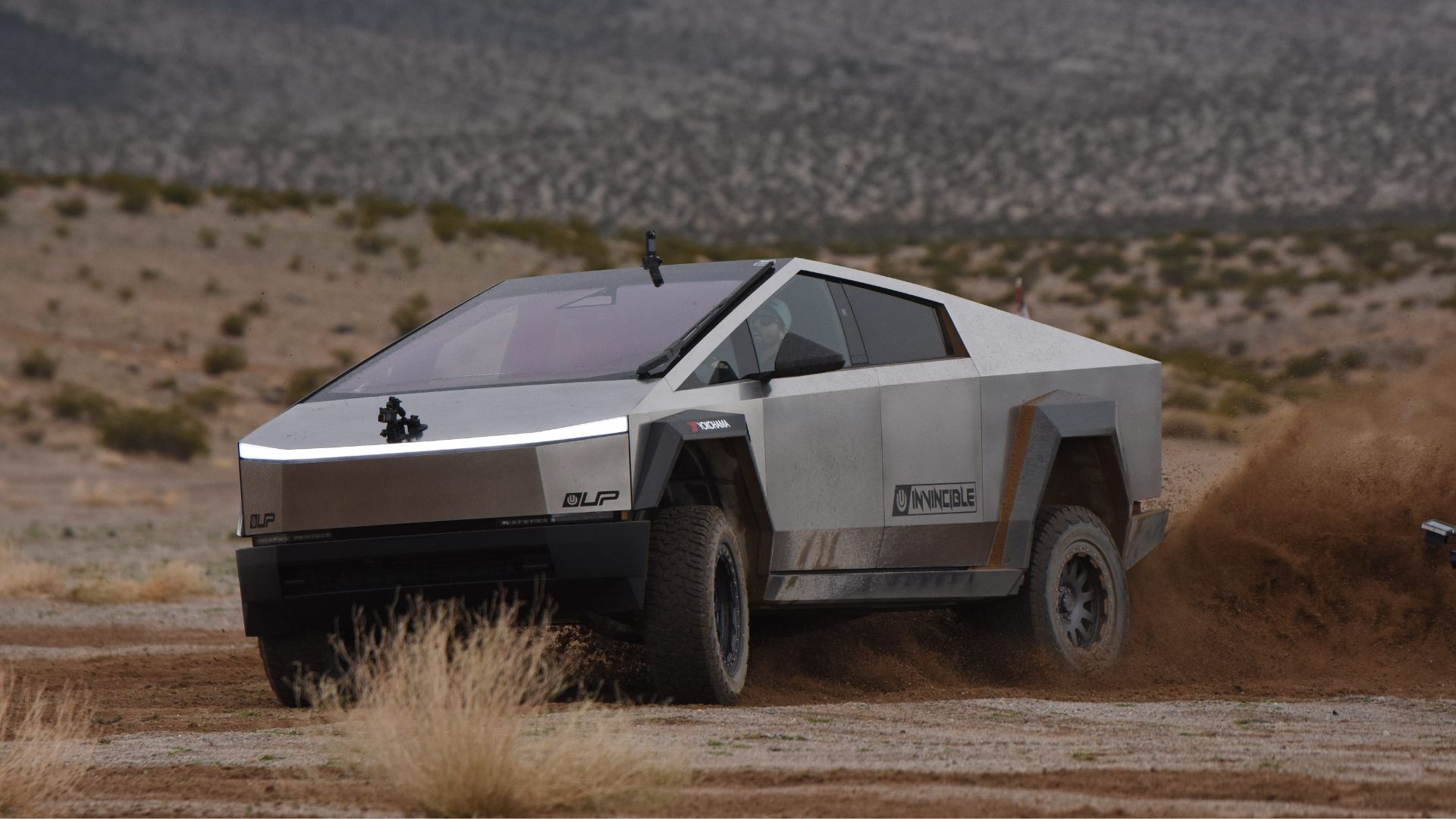
The U.S. Air Force is taking a unique step by bringing two Tesla Cybertrucks into their testing lineup at White Sands Missile Range, New Mexico. This is part of a larger initiative by the Department of Defense, which aims to incorporate 33 vehicles for supporting U.S. Special Operations Command. Each Cybertruck, priced at around $80,000, will undergo rigorous testing in simulated combat scenarios to see how well they perform under pressure.
The military’s decision to use Cybertrucks is driven by the belief that adversaries might soon deploy similar electric vehicles on the battlefield. The Air Force has highlighted the Cybertruck’s striking angular design and its tough, stainless steel body, which stands out against the more commonly used painted steel or aluminum bodies. Moreover, the vehicle’s 48-volt electrical architecture promises superior power and efficiency, an area where competitors are still catching up.
Despite its advanced features and futuristic look, the Cybertruck has its weaknesses. Reports indicate that it doesn’t hold up as well as expected when faced with significant impacts. This is a crucial consideration for military applications, where durability can make all the difference in mission success.
Tesla’s Cybertruck has encountered quite a few bumps in the road since its introduction. For instance, sales have plummeted by 51% compared to the previous year, as noted by Cox Automotive. The truck’s debut in 2019 was a spectacle, with Elon Musk presenting it amid a mix of awe and skepticism.
One memorable moment from the unveiling was when Tesla’s chief designer attempted to demonstrate the truck’s shatter-resistant windows. Unfortunately, the demonstration backfired, and the windows cracked when a metal ball was thrown at them. In an effort to regain confidence, Tesla later released a video showing the Cybertruck enduring gunfire from various weapons without a scratch.
Now, these two Cybertrucks are set to become part of the military’s test fleet, joining other vehicles designed to simulate battlefield conditions. The Air Force has a specific interest in these vehicles because they foresee a future where such electric trucks might be used by enemies. This foresight into potential future threats is what led to the acquisition of the Cybertrucks.
The decision to use Cybertrucks as test targets underscores the military’s commitment to staying ahead in technological advancements. The Air Force is keen on understanding how these electric vehicles can be integrated into their operations, especially given their potential use by adversaries. It’s a strategic move to ensure preparedness in a rapidly evolving combat environment.
While the use of Cybertrucks for these tests is confirmed, it’s uncertain if more will be integrated into broader military roles. For now, their primary function seems to be serving as target vehicles in precision munitions testing. This role is crucial for developing strategies and equipment that can effectively neutralize potential threats.
The introduction of Cybertrucks into military tests is a testament to the changing landscape of warfare. As technology advances, the military must adapt to new types of equipment that could be used against them. The Air Force’s proactive approach in testing these vehicles is a step towards ensuring national security in modern combat scenarios.
Tesla, under the leadership of Elon Musk, has always been about pushing boundaries. The company’s venture into military testing with the Cybertruck is another example of its innovative spirit. Despite the challenges and setbacks, Tesla continues to be at the forefront of electric vehicle technology.
The collaboration between Tesla and the U.S. military reflects a broader trend of public-private partnerships. These collaborations are essential for leveraging cutting-edge technology for national defense. The integration of commercial technology into military applications is a growing trend that benefits both parties.
The use of Cybertrucks by the military also highlights the importance of adaptability in defense strategies. As new technologies emerge, the military must be willing to test and integrate them into their operations. This flexibility is key to maintaining a competitive edge in global defense.
The Air Force’s decision to use the Cybertruck is indicative of a larger shift towards electric vehicles in military applications. As the world moves towards sustainable energy solutions, the military is also exploring how these can be leveraged for defense purposes. Electric vehicles like the Cybertruck offer unique advantages in terms of stealth and efficiency.
While the Cybertruck’s role in the military is still being defined, its inclusion in tests marks a significant step forward. The Air Force’s willingness to experiment with new technologies demonstrates their commitment to innovation. As they continue to explore the capabilities of electric vehicles, they pave the way for future advancements in military technology.
The testing of Cybertrucks at White Sands Missile Range is a clear signal of the Air Force’s forward-thinking approach. By preparing for the possibility of electric vehicles in warfare, they are ensuring that the U.S. remains a leader in defense innovation. This proactive stance is crucial in an ever-changing global landscape.
Tesla’s involvement with the military through the Cybertruck also showcases the potential for commercial technologies to impact national security. By bridging the gap between commercial innovation and military needs, companies like Tesla play a vital role in supporting defense initiatives. This collaboration is a win-win for both the military and the tech industry.
In summary, the Air Force’s decision to test Tesla Cybertrucks is a strategic move to explore new technologies. While the vehicles will primarily serve as targets for now, their future role in military operations remains an open question. As the military continues to innovate, partnerships with companies like Tesla will be crucial in adapting to new challenges and threats.
