
Gas prices in California are causing quite a stir again, and it’s all tied to some recent regulatory changes. The state’s Low Carbon Fuel Standard program got an update, and now folks are worried about what this could mean for their wallets. California, already topping the charts in fuel costs, is seeing prices inch higher, and some are pointing fingers at the state’s Democratic leadership.
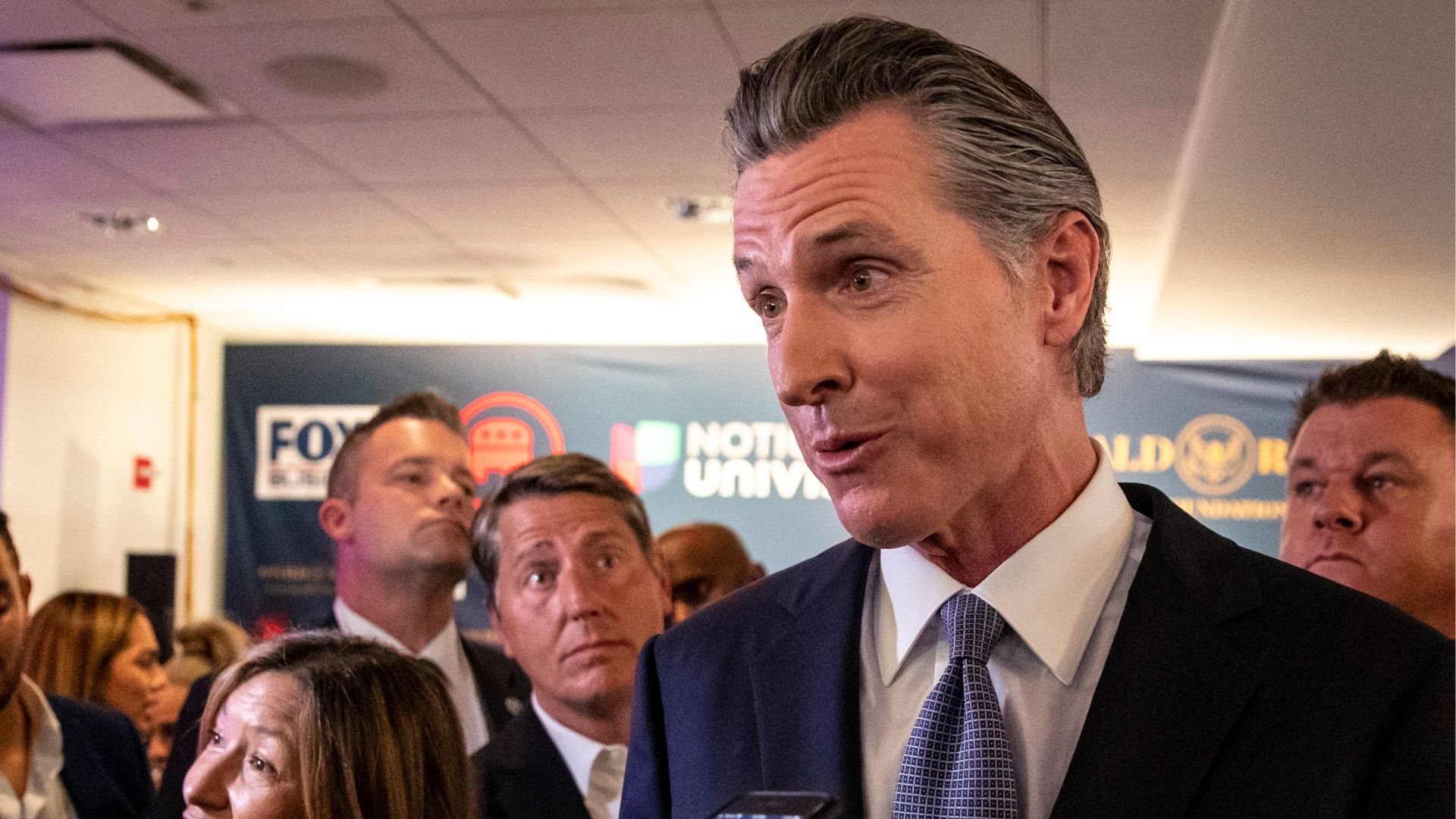
Governor Gavin Newsom’s administration has brought about these changes, and people are feeling the pinch at the pump. It’s not just a temporary hike either; officials are suggesting this could be a long-term situation. Brian Jones, the California Senate Minority Leader, is vocal about how these changes are affecting the everyday Californian, who, unlike the governor, isn’t rolling in dough.
Jones isn’t just talking the talk; he’s taking steps to address the situation. He’s filed a public records request to dig into how this 65-cent gas price hike was crafted behind closed doors. There’s a sentiment that the real aim here might be to push gas prices so high that people are left with no choice but to switch to electric vehicles.
The truth, Jones argues, is what the public deserves. He’s taken to social media, using the hashtag #FixCalifornia, to rally support and attention to the issue. The state’s gas tax is already the highest in the nation, and many believe the cap-and-trade program isn’t helping either.
A University of Southern California study has projected that gas prices could skyrocket to $8 per gallon by 2026. This is partly due to planned refinery closures, such as those of Phillips 66 and Valero. While other parts of the country enjoy lower prices, California drivers are paying much more, with recent averages at about $4.57 per gallon.
The LCFS changes are seen as a catalyst for these price hikes. Governor Newsom has set ambitious climate goals, aiming for net-zero carbon emissions by 2045 and banning new gas-powered vehicle sales by 2035. These moves have faced resistance, especially after President Trump overturned the electric vehicle sales ban through Congressional resolutions.
Tom Pyle, from the Institute for Energy Research, has criticized the government’s involvement in dictating transportation choices. The public, he claims, stands with President Trump in maintaining the freedom to choose their vehicles. Senator Jones questions whether these price hikes are part of a larger agenda to sway consumers away from traditional vehicles.
Jones has requested records to see the communications between Newsom’s administration and the California Air Resources Board (CARB). His goal is to unveil if there’s a deliberate effort to push people toward electric vehicles or public transport. So far, his request remains unanswered.
Jones has also called for an audit of the LCFS to evaluate its economic impact. Initial estimates suggested a 47-cent increase per gallon, but CARB later adjusted this to a mere five or six cents. Newsom’s office projects an eight-cent hike, but Jones isn’t convinced, citing predictions of up to 65 cents.
The senator has doubts about the practicality of a full transition to electric vehicles, given the current state of California’s energy grid. He points out that the grid may not handle widespread EV charging, as it increasingly relies on renewables. “Wind and solar is not going to cut it here,” Jones remarks.
California’s continued reliance on oil imports, despite having domestic reserves, is another point of contention. Jones argues that the state has the resources; it just needs to extract them. He’s gained traction with a petition to repeal the LCFS changes, amassing over 40,000 signatures.
Public opposition is growing, Jones notes, as awareness spreads about the impact of current policies on gas prices. “After Republicans and the media exposed the truth, Californians were outraged,” he says. Residents are waking up to the reasons behind the gas price surge, and it’s sparking a call for change.
