
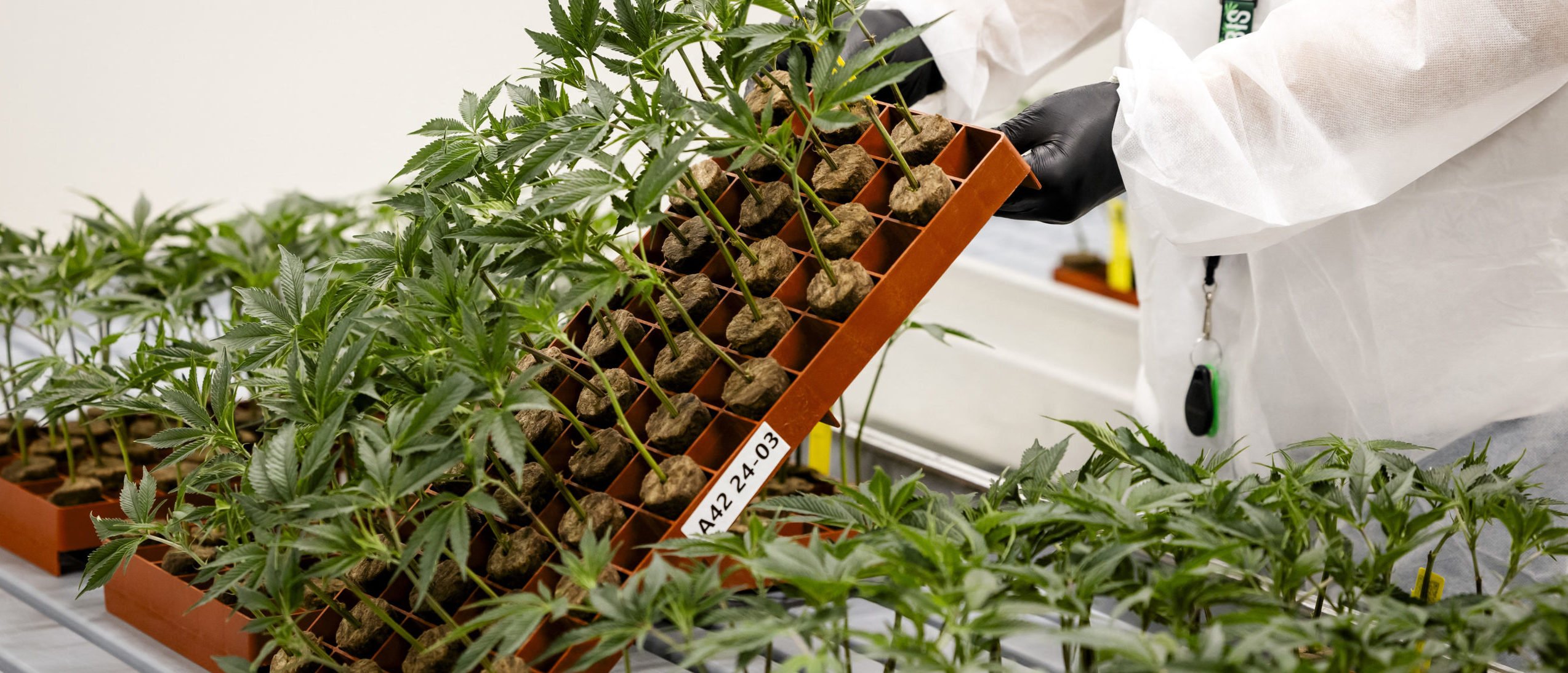
A House Appropriations subcommittee has pushed forward a bill aimed at regulating most consumable cannabinoid products. If passed, this piece of legislation would mark the most significant federal restriction on hemp since it was legalized under the 2018 Farm Bill, according to The Marijuana Herald. This advancement came after a committee markup session, highlighting the ongoing debates surrounding hemp.
The Subcommittee on Agriculture, Rural Development, Food and Drug Administration, and Related Agencies introduced the proposed law. The bill seeks to redefine hemp under federal law, excluding any hemp-derived cannabinoid products containing “quantifiable amounts” of tetrahydrocannabinol (THC) or similar compounds. This move echoes last year’s unsuccessful attempt by Rep. Andy Harris to ban legal hemp products through federal spending measures.
Tetrahydrocannabinol, or THC, is the psychoactive component in cannabis responsible for the “high” associated with marijuana. According to WebMD, this compound is central to the debate over hemp regulation. If enacted, the bill would ban products containing a measurable amount of THC or cannabinoids marketed with similar intoxicating effects, reports The Marijuana Herald.
The legislation targets a wide array of products, including Delta-8 THC, THC-O, and even smokable hemp flowers. Supporters of the bill, mostly Republicans, argue it addresses the “hemp loophole.” This loophole has allowed unregulated intoxicating hemp products to be sold across the nation, particularly in online marketplaces and gas stations.
Rep. Andy Harris, who chairs the subcommittee, emphasized this in his press release. He stated that the bill aims to close the loophole that has led to the proliferation of these products. The proposal has triggered diverse responses from stakeholders in the hemp industry and public health advocates.
U.S. Hemp Roundtable, a notable advocate for hemp, argues that the bill could potentially ban a significant portion of safe, legal hemp-derived products available across the country. They view the legislation as a direct attack on a legitimate, federally regulated industry. On the other hand, Smart Approaches to Marijuana (SAM) praised the bill as a protective measure for public health.
SAM’s leadership described the bill as a vital step towards curbing the loophole exploited by what they call “Big Marijuana.” They believe that regulating these products will protect the public and prevent the creation of future adult users. SAM’s Vice President, Luke Niforatos, expressed these views in a statement to the Daily Caller.
Niforatos emphasized the dangers of THC-infused candies, drinks, and other products. He argued that a ban would protect Americans by cutting off revenue for major marijuana companies and limiting youth addiction. Drawing parallels to Big Tobacco’s strategies, he urged Congress to make the ban official.
The legislation, according to Niforatos, is not an attack on industrial hemp. He labeled claims to the contrary as “ludicrous.” The bill’s primary purpose, he asserts, is to remove intoxicating THC products from gas station shelves for public health and safety.
Some state governments are also pursuing similar restrictions on THC products. Texas, for example, is working to make it a misdemeanor to sell, possess, or manufacture consumable products containing THC, as reported by the Associated Press. This state-level action reflects the broader national conversation on hemp regulation.
As the bill progresses, it continues to stir debate among lawmakers, industry leaders, and public health experts. The discussions highlight the balance between regulating potentially harmful substances and supporting a burgeoning industry. The outcome of this legislative effort will likely have significant implications for the hemp market and public health policies.
