
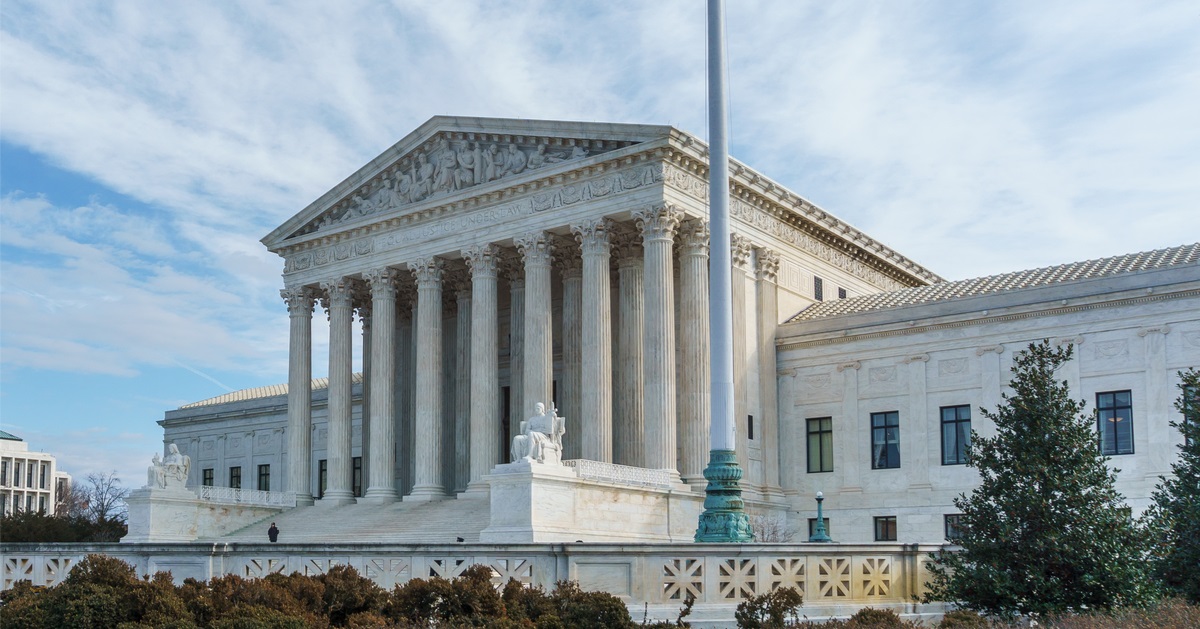
In a landmark decision, Michigan’s Supreme Court has ruled that individuals under the age of 21 cannot be sentenced to life without parole. This decision comes amid broader discussions on juvenile justice and the extent of punishment that should be applied to young offenders. The ruling has ignited debates over the balance between justice for victims and the rights of young offenders.
The court’s 5-2 decision highlights a shift in how the justice system views the culpability of young adults. Justice Elizabeth Welch emphasized the disproportionate nature of mandatory life sentences for those aged 19 and 20. Her opinion underscores a growing recognition of the mitigating factors of youth and potential for rehabilitation.
Justice Richard Bernstein’s concurring opinion suggests that the age of consideration should be extended even further. He argues for the age limit to be 25, citing numerous scientific studies. Bernstein’s stance reflects a broader trend of integrating scientific research into judicial decisions.
The decision has not been without its critics. Republican-nominated Justice Elizabeth Clement expressed concern over the judiciary’s role in shaping policy. She argued that such changes should come from the legislature, not the courts.
Clement’s dissent raises important questions about the separation of powers. Her view underscores a belief that the judiciary may be overstepping its bounds. This tension between branches of government is a recurring theme in discussions about judicial activism.
The ruling has immediate and significant implications, as it is retroactive. All 19- and 20-year-olds currently serving life without parole in Michigan will need to be resentenced. This aspect of the decision has been both praised and criticized by various stakeholders.
Prosecutors across the state have expressed concern about the ruling’s impact on victims. Midland County Prosecutor J. Dee Brooks highlighted the emotional toll on survivors of crime. He noted the retraumatization that can occur from revisiting these cases.
Brooks also pointed out the logistical challenges the ruling presents. Resentencing hearings will demand substantial resources from prosecutors’ offices. The financial and emotional costs of these proceedings are a central concern for law enforcement.
The decision aligns with a broader trend of reevaluating harsh sentencing laws. It reflects a shift toward considering rehabilitation over punishment for young offenders. However, this shift is not without its detractors, who argue for the rights of victims to see justice served.
Victims’ families have voiced their need for closure and certainty in sentencing. The prospect of resentencing disrupts this sense of finality. For many, the ruling feels like a reopening of old wounds.
The debate over this decision highlights a fundamental clash of values. On one side are those who prioritize rehabilitation and second chances. On the other are those who seek justice and closure for victims and their families.
This decision is part of a larger national conversation about criminal justice reform. It raises questions about the purpose of punishment and the potential for redemption. As the dust settles, stakeholders on all sides are left to grapple with its implications.
The ruling may influence other states considering similar reforms. It sets a precedent for how young adult offenders are treated in the justice system. The potential ripple effects are significant and far-reaching.
For now, the focus remains on the immediate impact within Michigan. Prosecutors, victims, and offenders alike must navigate the new legal landscape. The coming months will be crucial in understanding the full effects of the court’s decision.
As the legal community adapts to this change, broader questions about justice and fairness persist. The tension between punishment and rehabilitation remains at the forefront of this debate. Each side continues to advocate passionately for their vision of justice.
The Michigan Supreme Court’s ruling represents a pivotal moment in the state’s legal history. It challenges long-held beliefs about crime and punishment. As the conversation evolves, the voices of victims, offenders, and the wider community will shape the path forward.
