
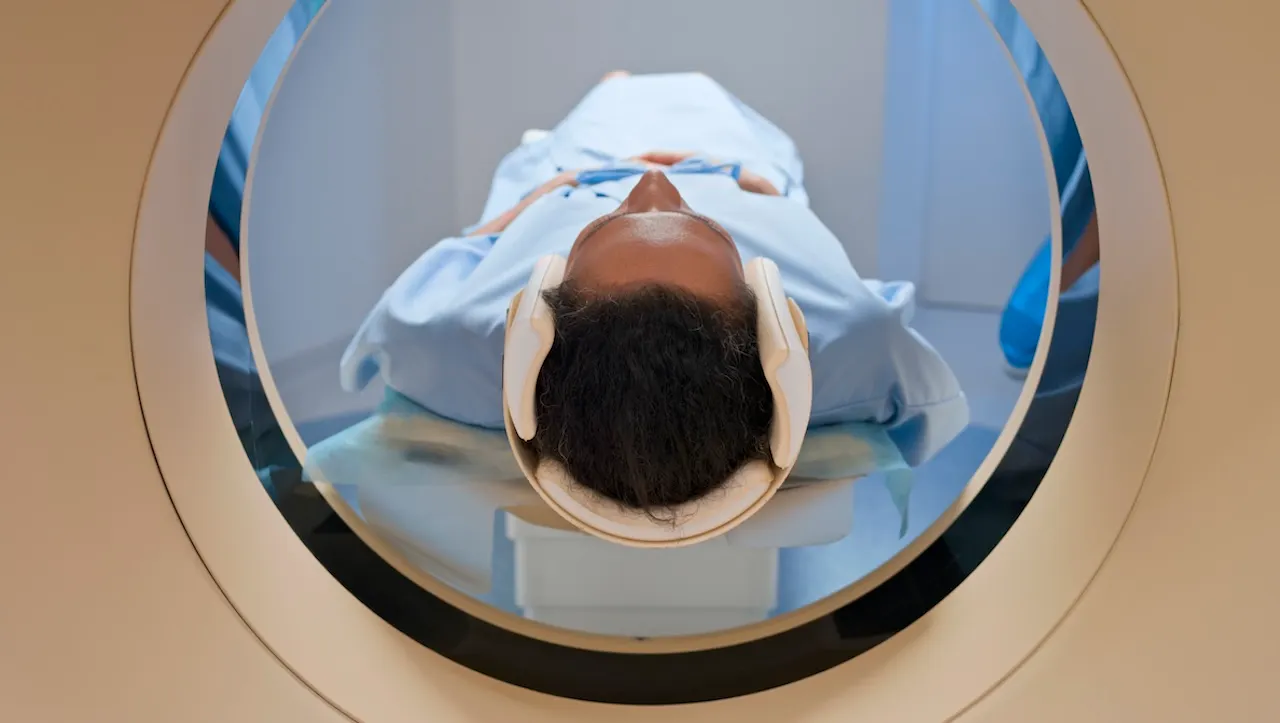
Celebrities like Kim Kardashian and Paris Hilton are all about full-body MRI scans, and it’s catching on with a lot of folks. People are shelling out big bucks for peace of mind, but is it really worth the price? Dr. Mikhail Varshavski, known as “Dr. Mike,” recently chatted about these scans with Andrew Lacy, the CEO of Prenuvo, a major player in the full-body scan market. In their discussion, Dr. Mike expressed his enthusiasm for the idea of catching diseases early to improve treatment outcomes. However, he remains skeptical about the effectiveness of Prenuvo scans in achieving this goal, especially in a world where healthcare demands often exceed current capabilities.
These full-body scans use MRI, CT, and PET technologies to spot early signs of diseases like cancer and heart disease. They offer a chance to see inside your body in ways a typical physical can’t. Dr. Daniel Durand, Prenuvo’s chief medical officer, likened the scans to a “virtual physical.” He explained to Fox News Digital that the scans gather a vast amount of health data using MRI technology, which is then analyzed by two licensed providers who help guide patients on optimizing their health.
Unfortunately, these scans aren’t usually covered by insurance, as Dr. Mike explained to Fox News Digital. Coverage can vary based on insurance plans and specific conditions, but generally, the lack of documented clinical benefit means they’re not covered for screening purposes. However, some insurance might cover those with high-risk genetic conditions. Prenuvo’s Durand hopes that ongoing research will eventually lead to broader insurance coverage.
Prices for these scans can reach up to $2,500, depending on the provider and options chosen. Prenuvo, based in California, and New York City’s Ezra are the two largest providers. Dr. Brett Osborn, a neurologist and longevity expert, previously told Fox News Digital that full-body MRI scans represent a big step forward in diagnostics. He emphasized that MRIs can detect diseases like cancers and aneurysms early on, often before symptoms appear.
Prenuvo’s Durand explained that the scans can spot changes inside the body that aren’t yet visible through physical exams or noticeable to patients. By catching these early signs, diseases can be treated sooner, hopefully preventing permanent damage. Despite these claims, Dr. Mike remains cautious, noting that he hasn’t recommended these scans to his patients due to the high cost and lack of clear medical indication for the general population.
The popularity of these scans is partly driven by celebrities, some of whom receive them for free, which Dr. Mike finds concerning. He pointed out that even receiving a free scan involves a business relationship that requires disclosure, according to FTC regulations. This can create a confusing message for consumers, as companies cannot claim that their tests save lives, but celebrities can make personal claims.
Dr. Marc Siegel from NYU Langone Health also advises against full-body scans for patients. He believes that full-body scans might lead people to chase after every positive result, regardless of its significance. Siegel emphasized the importance of more targeted investigations by expert physicians who understand what they’re looking for. He warned that full-body scans could replace more precise studies tailored to a patient’s symptoms, history, and genetic profile.
These scans can also pose mental risks. One doctor mentioned potential anxiety from being in the scanner, stress from incidental findings, and increased health-related worries. As healthcare moves towards more personalized approaches, aided by genetics and artificial intelligence, Dr. Siegel believes this will lead to more focused investigations rather than full-body scans. Dr. Mike also highlighted the risks of false positives, overdiagnosis, and overtreatment associated with these scans.
