
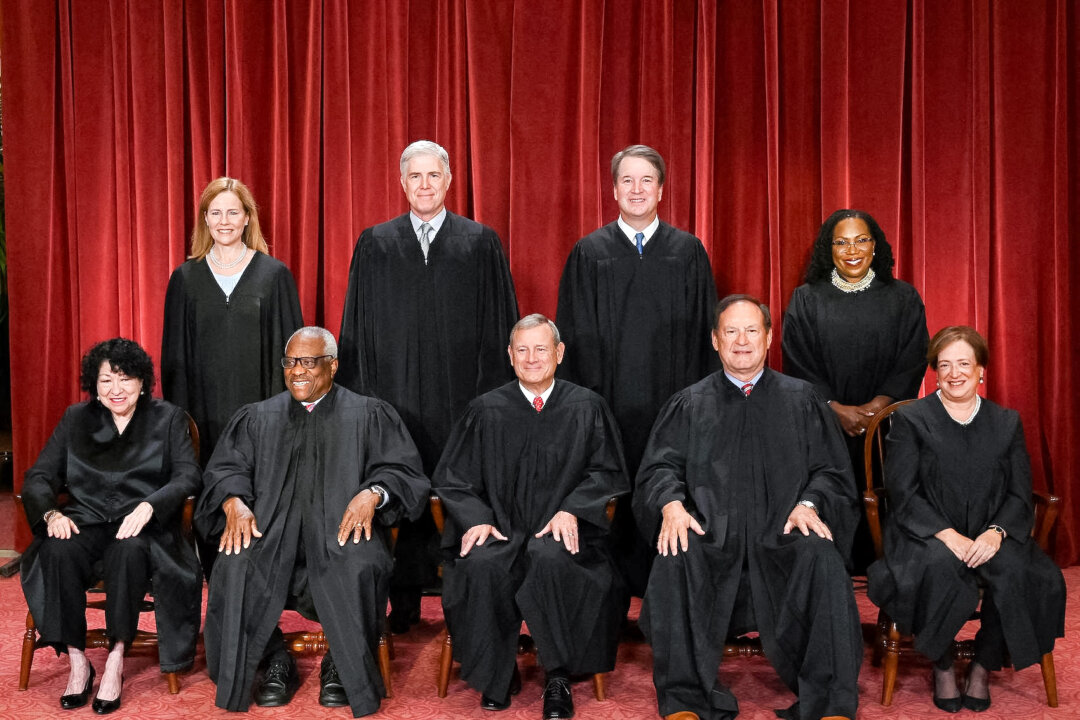
The U.S. Supreme Court has recently sided with employers in a significant case concerning overtime pay, marking a notable decision in employment law. This unanimous decision, penned by Justice Brett Kavanaugh, reverses a previous ruling by the Fourth Circuit Court, which had supported employees’ claims for a tougher standard of proof.
In the case of E.M.D. Sales Inc. v. Carrera, the court examined whether employers must demonstrate that an FLSA exemption applies using the standard of “preponderance of the evidence” or the more stringent “clear-and-convincing-evidence” standard.
The Fair Labor Standards Act (FLSA) mandates a minimum wage and overtime pay for eligible employees, but exempts certain roles such as executives, agricultural workers, and outside salesmen.
E.M.D. Sales, a distributor of diverse foods in the Washington D.C. area, faced a lawsuit from three sales representatives. These employees contended that they were entitled to overtime pay, given their 60-hour work weeks. However, the company argued that these employees fell under the “outside salesmen” category, which exempts them from overtime.
The company highlighted that the sales reps work predominantly outside the office and are compensated solely through commissions, not hourly wages. Despite acknowledging their time spent outside the office, the salesmen argued they were tasked with duties beyond sales, including inventory management and re-stocking.
Initially, U.S. District Court Judge James Bredar of Maryland ruled against E.M.D. Sales in 2019, citing a lack of good faith and reasonable belief in the company’s interpretation of the FLSA. The Fourth Circuit upheld this decision, applying the tougher standard of proof.
However, the Supreme Court’s recent ruling sets a precedent by emphasizing that the preponderance of the evidence is the standard unless a more rigorous standard is constitutionally or statutorily required. Justice Kavanaugh clarified that exceptions for a higher standard are rare and generally apply when the government takes unusual coercive actions.
Justice Neil Gorsuch, with Justice Clarence Thomas joining, concurred, emphasizing the need for courts to adhere to default standards unless explicitly directed otherwise by Congress or constitutional mandates. This approach, Gorsuch argued, prevents courts from engaging in policy debates they are not meant to adjudicate.
With the Supreme Court’s decision, the case returns to the Fourth Circuit for further proceedings. The court will now reassess the matter under the preponderance of the evidence standard, as directed by the Supreme Court.
This ruling underscores the importance of clear legal standards and the balance of burdens between employers and employees. It reflects a broader interpretation that aligns with the default standards in civil lawsuits, potentially influencing future cases concerning employment law.
The significance of this decision lies in its clarification of the evidence standard and its potential impact on how similar cases are handled. Employers across the nation may view this as a reinforcement of existing legal frameworks, ensuring consistency and predictability in employment litigation.
While this decision favors the employer in this instance, it also highlights the ongoing dialogue between the judiciary and legislative bodies in defining and refining employment rights and obligations.
As the case returns to the Fourth Circuit, it will continue to draw attention and may further shape the landscape of labor law in the United States.
