The California primary boiled down to two very different visions: a seasoned Democratic insider and a media-savvy Republican outsider moving on to November. Voters navigated a crowded field, slow counting, and loud accusations about the system while the top two finishers emerged and prepared for a bruising general election. This article lays out the vote totals, the polling shifts, the critiques from rivals, and the arguments about election administration that dominated the post-primary noise.
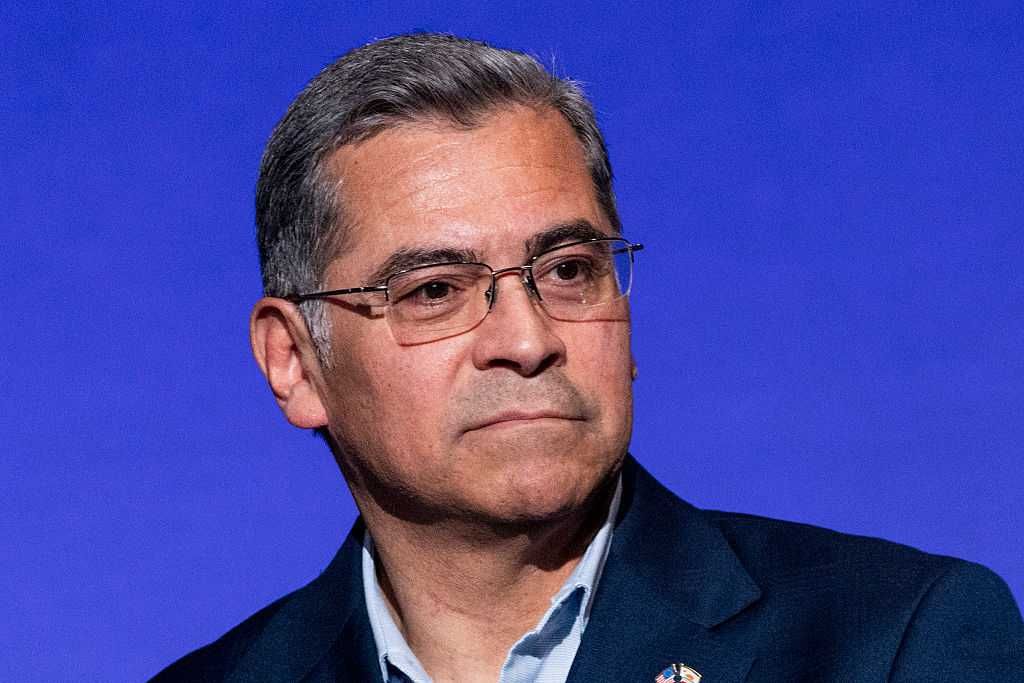
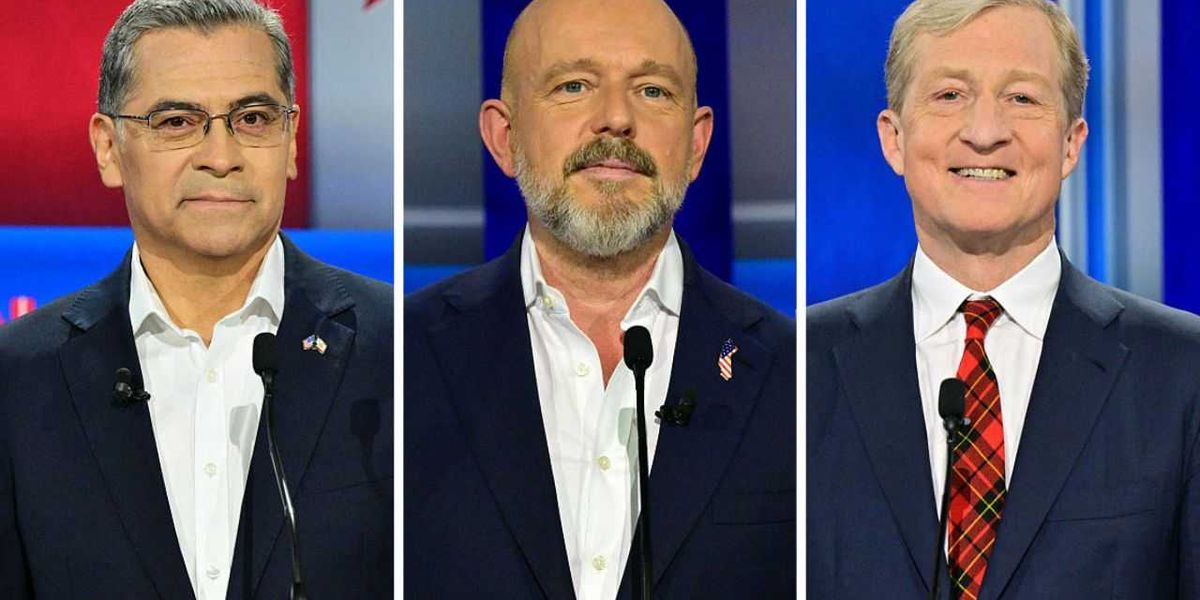
The contest opened with more than 60 candidates and no clear heir apparent to Gavin Newsom, so chaos was baked into the process. When counting hit 83 percent complete, the numbers showed clear leaders and a tight fight for second place. With 83% of the votes counted, Becerra received 2,177,556, Hilton received 1,975,062, and Democratic candidate Tom Steyer received 1,759,328.
Results had many observers expecting an all-Democrat finish, but the top two system and a splintered left left room for an insurgent. Early chatter even floated the possibility of two Republicans advancing, with Riverside County Sheriff Chad Bianco once mentioned as a contender. In the end, a former cabinet official and a former commentator advanced, setting up a November fight that will test both establishment politics and anti-establishment energy.
https://x.com/DecisionDeskHQ/status/2064145059839152635
In the days before the vote, Becerra pulled ahead in the polls, narrowing questions about who Democrats would rally behind. One late survey showed Becerra at 28 percent, Steyer at 22 percent, Hilton at 21 percent, and Bianco at 12 percent, underscoring how a crowded field splintered Democratic support. That drift toward Becerra gave him a path to the runoff despite the number of challengers on the left.
Steyer continued to cast Becerra as too cozy with corporate interests, pressing an economic populist argument that resonated with some progressive voters. Steyer has criticized Becerra, “labeling him a “corporate Democrat.”” “For too long, we’ve had a system where corporations buy off politicians to protect their profits,” Steyer during a campaign rally. He argued that the state needs leaders who stand up to big money, and he positioned himself as the candidate willing to take that fight on.
Hilton leaned hard into complaints about how California counts its ballots, arguing the process itself tilts outcomes and frustrates voters. His campaign called the statewide counting delays an “ABSOLUTE DISGRACE” and blasted the mail-in system for creating confusion. ‘Enough with this disastrous system — universal mail-in chaos is killing election integrity and transparency.’ His message struck a chord with voters worried about transparency and the speed of results.
That criticism fed into broader Republican messaging about secure, timely elections and respect for voters who want clarity on election night. Hilton’s team pressed that California’s approach to vote counting intentionally drags out results and erodes confidence, saying, “California’s election machine is a slow-motion disaster deliberately dragging out vote counts for 35 DAYS while the rest of the world tallies hundreds of millions in hours.” The complaint aimed both at mobilizing conservative skeptics and at drawing national attention to state procedures.
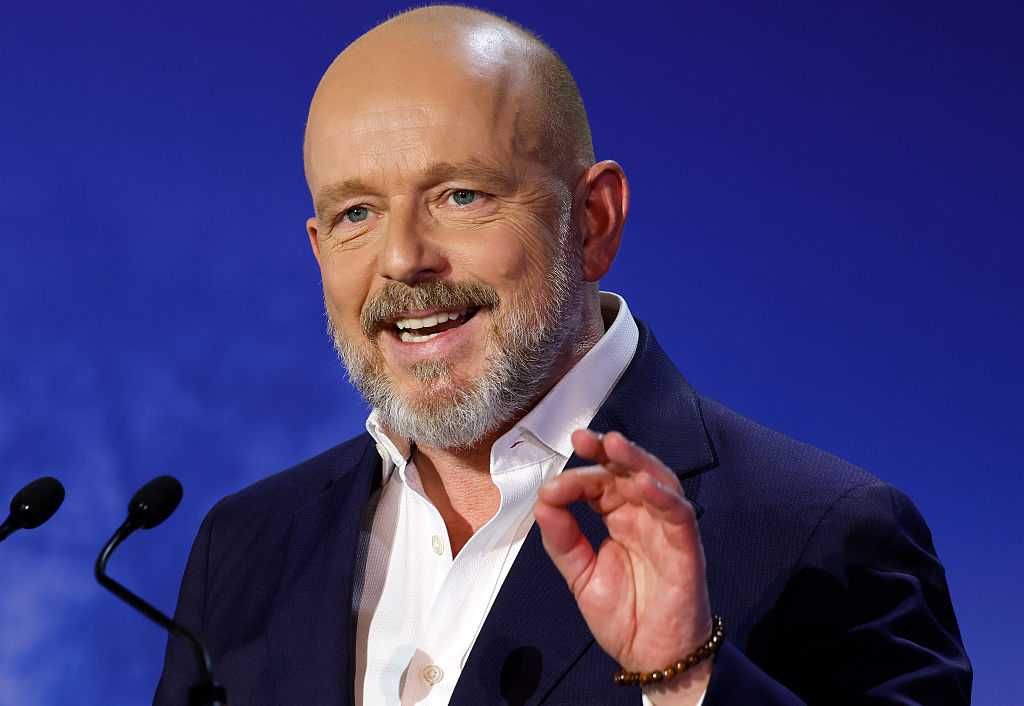
Despite the back-and-forth, both camps signaled caution about celebrating too soon while counting continued. Former Fox host and small-business owner Steve Hilton’s campaign took a restrained tack publicly, acknowledging the slow pace and promising to await official calls. Hilton that he will wait for the AP to call the race before declaring a victory. “Thank you so much for all your congratulations! We always said we would wait for@AP_RaceCalls before declaring victory so we’re not popping the champagne just yet … but it’s definitely time for a beer!” Hilton said.
The primary showed how California’s unique ballot rules and a sprawling candidate list can produce unexpected outcomes and mixed emotions. With different wings of both parties still figuring out strategy, the November runoff will be a clear test of whether voters prefer an entrenched Democratic figure or a Republican promising change. Campaigns will now shift from pruning fields and charging up bases to persuading the narrower electorate that turns out in a fall contest.