
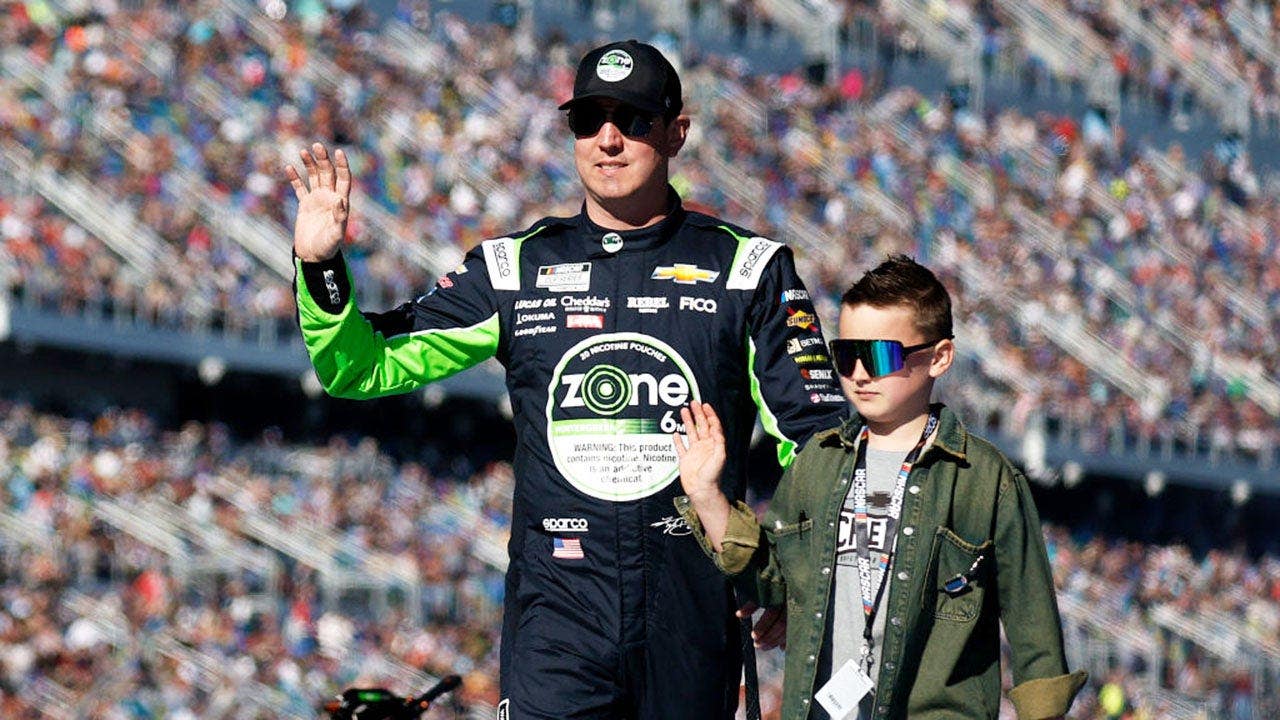
NASCAR CEO Steve O’Donnell has revealed that Kyle Busch’s last message to him asked about changing the over-40 rule so Busch could run every Truck Series race next year, a development that has stirred debate about experience, safety and the sport’s direction.
The disclosure landed like a thunderclap in a paddock used to strategic leaks and careful silence. Kyle Busch, one of the most successful and visible drivers in American stock car racing, apparently pressed for a rule tweak that would clear the way for him to contest a full slate of Truck Series events. That alone raises questions about competitive balance and what NASCAR wants the Truck Series to represent.
For fans who enjoy seeing big names dip into lower series, the prospect of Busch in every race is tantalizing. It promises ratings bumps, packed grandstands and elevated media attention when a marquee Cup driver shows up week after week. But it also fuels a counterargument: consistent participation by high-profile veterans can block opportunities for rising talents looking to establish themselves in the spotlight.
Steve O’Donnell put the exchange into the public record, which changes the tone of the conversation from rumor to policy debate. When a CEO reveals a private message from a driver, it signals the issue isn’t going away quietly. NASCAR now faces pressure to explain whether the over-40 rule is up for revision, and if so, why a change would serve the sport rather than simply one popular driver.
The over-40 rule itself is at the heart of the dispute and deserves clear scrutiny. Whatever its precise mechanics, it functions as a gatekeeper for who can run a full schedule in a developmental or secondary series. That gatekeeping is meant to balance experience, safety and the pathway for younger competitors, but the Busch request tests whether the rule is flexible or fixed.
Safety advocates point out that age and experience are not the same thing, and that any rule affecting older drivers should be rooted in data. Experience can enhance safety on track, but there are legitimate concerns about wear and tear, reaction times and long-term fitness that policies try to anticipate. NASCAR must weigh medical and performance evidence against the commercial upside of having star drivers in more races.
Team owners and sponsors will also watch how this plays out. Allowing a star like Busch to run everywhere could reshape sponsorship deals, ticket pricing and TV contracts in the short term. It might be great for weekend gate receipts, but it also risks creating a tilt toward established names, which could make it harder for smaller teams to attract attention and investment.
Drivers trying to climb the ladder have a clear stake in this debate. A full-season presence by Busch might deliver high-level competition that accelerates development for some, or it might crowd out podiums and headlines that younger drivers need to build résumés. The truth is it could do both, depending on how NASCAR frames any adjustment and how teams adapt.
Inside the sanctioning body, O’Donnell’s revelation puts the ball in a policy court that prefers broad buy-in. Rule changes in NASCAR rarely happen without input from stakeholders: competitors, teams, broadcasters and safety consultants. If NASCAR considers bending the over-40 rule, it will need to justify the change beyond the preferences of a single athlete, no matter how consequential that athlete may be.
The optics matter. A public push by Kyle Busch for an exception can be read in multiple ways: as a veteran seeking more seat time and trophies, as an entertainer wanting to keep crowds coming, or as a driver testing the boundaries of sport governance. How the organization responds will tell fans whether NASCAR prioritizes competition integrity, entertainment value or a hybrid of both.
Whatever decision comes next, the discussion itself forces a clearer conversation about the Truck Series’ purpose. Is it a development ground for rising stars, a marketing playground for headline drivers, or a place that balances both roles? Revising the over-40 rule would be more than a technical tweak; it would be a statement about the sport’s future and who gets to shape it.
