
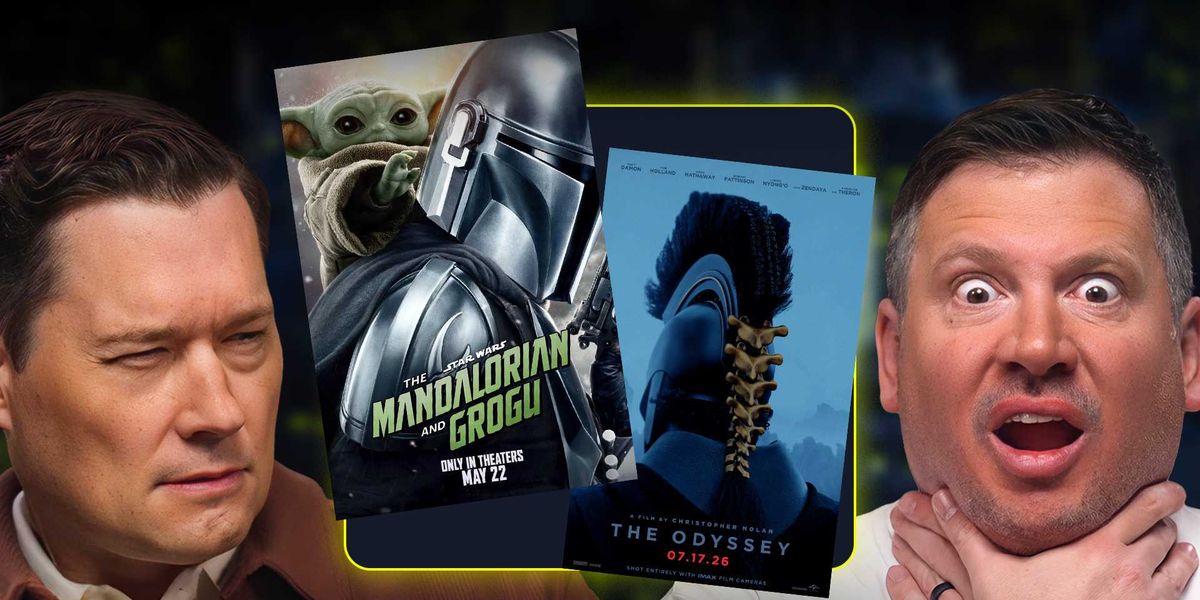
Hollywood keeps proving that changing the cast sheet and tossing around woke checkboxes won’t fix what’s broken. Recent reactions to “The Mandalorian and Grogu” and the casting buzz around Christopher Nolan’s “The Odyssey” show fans are tired of being told what to applaud. Stu Burguiere and Dave Landau cut through the chatter with blunt takes that capture a larger truth: studios keep chasing approval stamps instead of making films people actually want. That’s a problem Trump’s anti-woke push hasn’t solved, because culture moves faster than a CEO memo.
Critics pounced when “The Mandalorian and Grogu” landed with a tepid Rotten Tomatoes rating, and the audience response felt familiar. People think the franchise lost something when it aimed for extremes that don’t respect what made the original idea click. Fans wanted a simple, fun story, not a program that feels like it passed through a focus group and a PR department first.
On BlazeTV, Stu and Dave didn’t hold back while dismantling what they see as Hollywood’s direction. “Well, Pedro Pascal’s in it. He was in my colonoscopy I had two weeks ago. The least s****y thing he’s done,” Dave jokes. Those lines land because they cut through the careful language studios use to explain creative choices, and audiences sometimes prefer blunt honesty over manufactured nuance.
=
Stu followed up by arguing the show pushed too far on certain creative experiments. “they’re going to the extremes on it,” he said, capturing the sense that a franchise can be stretched until the original charm snaps back. When a concept like a lovable Yoda-like character gets retooled into something distant, fans notice that loss of heart immediately.
The conversation moved quickly from production choices to casting controversy, with Christopher Nolan’s “The Odyssey” in the crosshairs for its lead. “I guess she’s pretty,” Dave says. “She’s not really the face that launches a thousand ships.” Those lines are uncomfortable for some, but they reflect a raw reaction many viewers have when casting feels dictated by a checklist rather than storytelling fit.
Dave kept pushing on how modern awards and industry mandates shape casting decisions. “She’s more the face you get frozen yogurt with once. You know, the Tinder face that you match up but never meet up with. That sort of face,” he continued, and later noted “The Academy … they have mandated all this stuff.” He tied it together bluntly: “You have to have certain people in certain roles. So he’s just stacking the deck in his favor.”
Those comments spotlight a tension: creators want applause from peers and gatekeepers, while audiences want characters who feel right in their roles. When the two aren’t aligned, movies shake out poorly at the box office and in the cultural conversation. The safe route of pleasing panels and winning awards can leave everyday viewers feeling ignored.
At the end of the day, studios that keep chasing checkboxes will keep losing the crowd that once kept filmmaking honest. The lesson here isn’t fancy wording or political wins, it’s simple: make compelling stories and cast them to serve those stories. Until Hollywood remembers that, critics and fans will keep calling them out, and snappy takes like Stu and Dave’s will keep finding an audience hungry for plain talk.
