
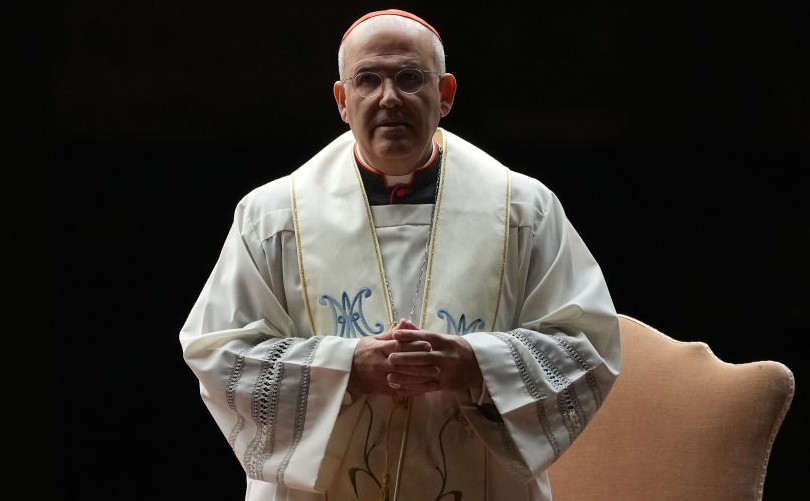
Cardinal José Tolentino de Mendonça, the Vatican’s prefect for culture and education, raised concerns about how artificial intelligence is reshaping society just days before Pope Leo’s encyclical is set to appear next week. His remarks framed technology not only as a tool but as a force that presses on ethics, community life, and how people understand truth. The timing of his intervention points to a broader conversation inside the Church about guidance, responsibility, and the social consequences of rapid change.
The cardinal spoke from the perspective of someone who connects faith with cultural currents, and that viewpoint matters when institutions try to make sense of new technologies. He emphasized that AI affects more than markets or gadgets, reaching into education, memory, and public life. Listeners got the sense that this is not a technical brief, but a moral call to awareness about consequences that can be slow to show up and hard to fix.
At stake, he indicated, are core social goods like trust, authenticity, and the shared framework that holds communities together. When imitation becomes indistinguishable from reality, ordinary people can lose their footing. The concern is both philosophical and practical, because erosion of shared facts makes cooperation and meaningful debate far harder.
The encyclical due next week from Pope Leo adds a new layer of urgency to the conversation, because encyclicals set moral tone and offer guidance on pressing issues. The cardinal’s comments read as a preface to a larger moral document that may address technology, human dignity, and how institutions ought to respond. Church leaders are positioning themselves to offer ethical guidance at a moment when policy and public awareness often lag behind innovation.
The Dicastery for Culture and Education occupies a unique spot between ideas and institutions, between classrooms and public square, and the prefect’s role is to translate concern into conversation. That means engaging educators, scholars, and civic leaders, not just issuing warnings. Practical responses will need to include formation, media literacy, and careful thought about how new tools shape learning and memory.
Beyond education, the implications ripple into public life where misinformation and engineered content can change perceptions and decisions. That is precisely why leaders outside the tech world are now speaking up, because the consequences are social and spiritual as well as economic. The cardinal’s remarks suggest the Church sees responsibility in helping society distinguish between what is true and what merely looks true.
What emerges from this moment is a call for dialogue rather than panic, and for frameworks rather than knee jerk reactions. The Church can bring a long view to a debate dominated by short cycles and novelty. By asking tough questions about meaning and human flourishing, the Vatican aims to steer conversation toward policies and practices that protect human dignity and communal bonds.
With the encyclical imminent, watchers will be listening for concrete cues about moral priorities and practical steps. The cardinal’s intervention makes clear that the issue will not be left to engineers alone, because the social effects demand broader stewardship. Eyes now turn to next week, when the Vatican’s formal guidance may give communities language and direction for how to face the changes ahead.
