
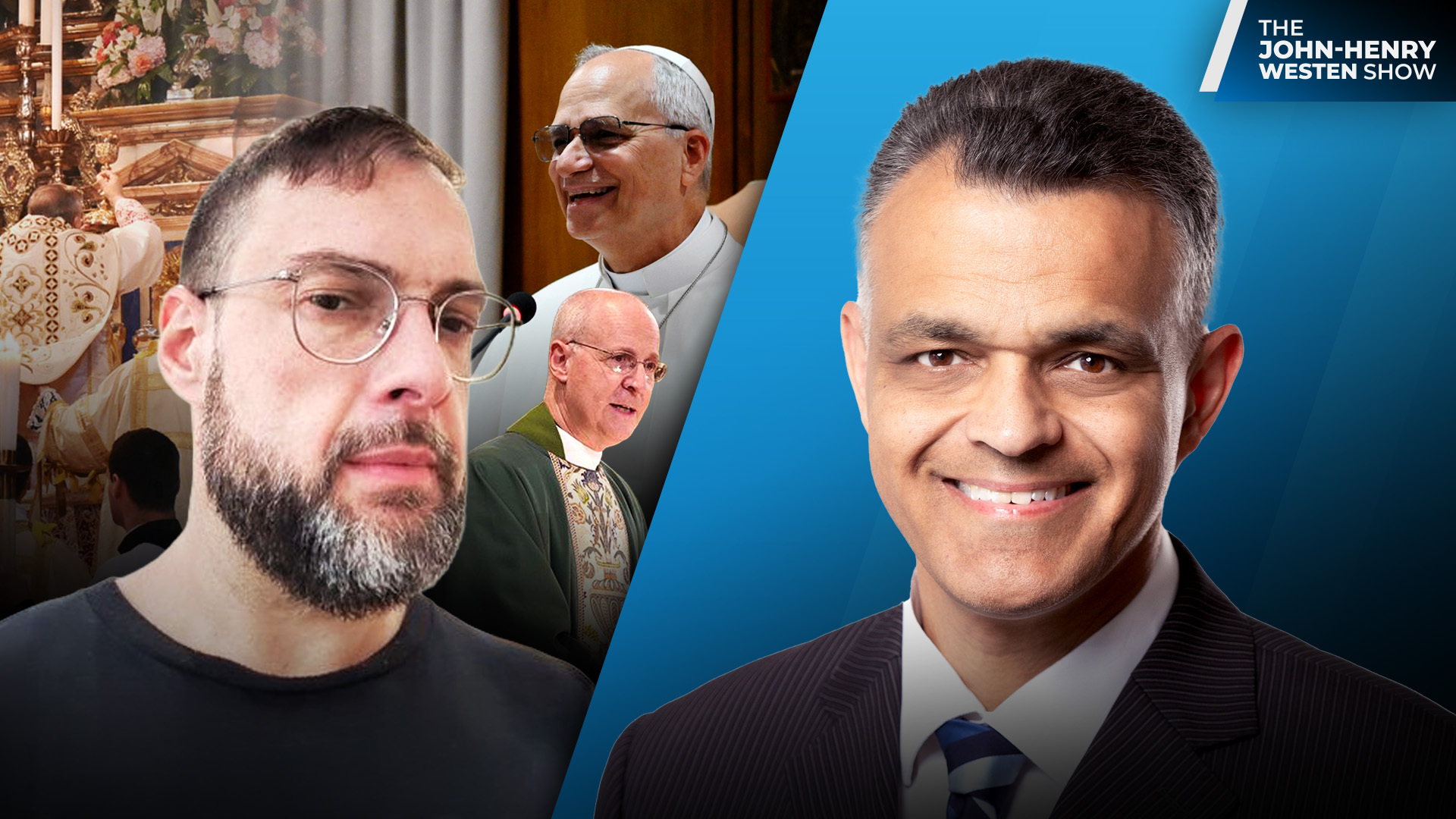
Pope Leo XIV’s first year has stirred sharp feelings inside the Catholic world, touching debates on liturgy, doctrine, and leadership. This piece looks at the main flashpoints — same-sex blessing discussions, synodal momentum, key appointments, and the strains over the Traditional Latin Mass and the Society of Saint Pius X — and considers why many faithful seem worn down by uncertainty. It lays out the tensions without theatrics and stays focused on what these developments mean for ordinary Catholics.
The early months of Pope Leo XIV’s pontificate promised both continuity and change, and reactions have been swift and varied. Supporters see cautious pastoral shifts, while critics worry about blurred lines on settled teachings. That split has shaped parish life, media coverage, and the mood among clergy and laity alike.
Same-sex blessing debates became an early lightning rod, forcing bishops and communities to choose a response. For some, the issue is pastoral sensitivity; for others it is a test of doctrinal clarity. The conversations have revealed gaps in how authority is exercised and how pastoral practice aligns with long-standing moral teaching.
Synodal initiatives intended to broaden consultation have also raised questions about ends and means. Calls for listening are popular on paper, but when synodal language collides with doctrinal clarity, confusion follows. People want processes that produce firm outcomes, not perpetual open-endedness that leaves core beliefs ambiguous.
Appointments to key Vatican posts have sent signals about priorities and temperament at the top. Some choices have reassured those eager for stability, while others have worried bishops and traditional communities. Personnel decisions matter; they shape how doctrine is interpreted and how tensions are managed on the ground.
The Traditional Latin Mass remains a touchstone for identity and memory in many Catholic circles. Restrictions and permissions around it touch deep attachments to worship, sacramental rhythm, and cultural continuity. When papal policy or diocesan practice shifts, entire communities can feel their spiritual home is under pressure.
Tensions with the Society of Saint Pius X add another layer, since reconciliation talks are as much about trust and authority as about liturgical form. Progress or setbacks in those discussions tend to echo widely, affecting bishops who must shepherd divided flocks. The underlying question is how unity and fidelity are balanced in any pastoral move toward reconciliation.
All of these strands point to a common worry: unresolved questions about authority, doctrine, and Catholic identity. People are not only debating specific policies, they are asking who decides and on what basis. That uncertainty fuels anxiety and sometimes leads to spiritual exhaustion among those seeking firm guidance.
Many faithful report feeling discouraged because the Church’s public debates often look like competing priorities rather than shared convictions. Parishioners want clarity that strengthens faith and practice, not endless procedural debates. Pastoral care that feels ad hoc or inconsistent tends to sap confidence and make devotion fragile.
So where does that leave ordinary Catholics after a year under Pope Leo XIV? Practical faith life goes on in parishes, homes, and schools, but the broader institutional debates will shape how people experience the Church for years to come. Clear teaching, consistent pastoral application, and transparent leadership choices would go a long way toward restoring energy and trust without sacrificing charity or truth.
